



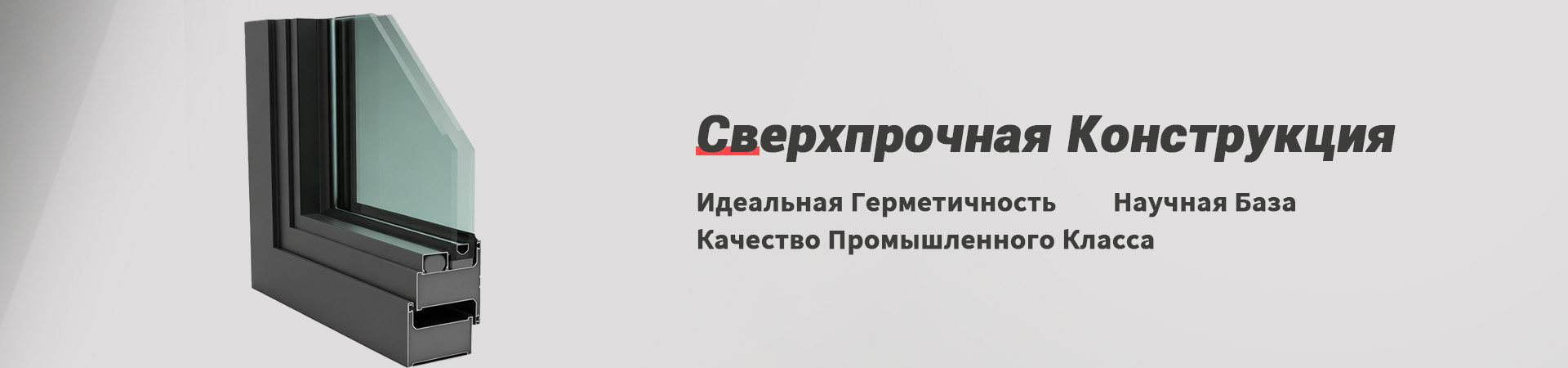
Industrial windows with emergency opening system from the manufacturer
2026-08-18
- Industrial windows with emergency opening system: technical standard for safety and ventilation
- What are industrial windows with an emergency opening system and their classification
- Where is the emergency opening system used: industry specifics
- Main technical characteristics and system components
- How to choose industrial windows with an emergency opening system: selection algorithm
- Expert approach: experience of Chongqing Huaxia Windows and Doors LLC
- Comparison of drive models and configurations
- Typical mistakes during selection and installation
- Logistics, installation and service support
- Price Range and Cost Factors
- FAQ: Frequently asked questions
- Recommendations for purchasing and concluding a contract
- Conclusion
Industrial windows with emergency opening system: technical standard for safety and ventilation
Industrial windows with emergency opening systemare specialized translucent structures integrated into the enclosing contours of industrial buildings and providing emergency pressure relief, removal of toxic gases or organization of escape routes in case of fire. Unlike standard transoms, these systems are equipped with automatic or semi-automatic drives that can be activated by a signal from smoke sensors, temperature rise or manually through a control panel. The key value of such solutions lies not only in meeting fire safety standards (SP 5.13130, GOST), but also in ensuring the continuity of technological processes by quickly ventilating workshops with high heat loads.
In modern production conditions, where the density of equipment and the concentration of flammable materials are increasing, the presence of a reliable smoke removal system through window openings becomes a critical factor in preserving the lives of personnel and minimizing damage to property. The efficiency of such windows depends on the accuracy of calculation of aerodynamic resistance, the speed of operation of the drives (usually no more than 60 seconds) and the tightness of the circuit when closed. Below is a detailed analysis of the designs, principles of selection and integration of such systems into industrial facilities.
What are industrial windows with an emergency opening system and their classification
Industrial windows with an emergency opening system are an engineering complex consisting of an aluminum or steel profile, an energy-efficient double-glazed window and an electromechanical drive. The main task of the design is to transition from the “tight glazing” mode to the “maximum ventilation/smoke removal” mode in a fixed time in the event of an emergency.
There are several basic types of opening, each of which dictates its own requirements for installation and operation:
- Top-hung (fanlight):The most common type for high openings. The sash opens outwards around the top axis. The advantage is the natural release of hot smoke and gases upward, which corresponds to the physics of the convection process. The disadvantage is the difficulty of mechanically cleaning the outside of the glass.
- Mid-mounted (rotating around the central axis):Provide two-way ventilation. They are often used in facilities with aggressive environments, as they allow you to quickly remove contaminated air. They require careful balancing of the shutter due to the risk of spontaneous closing or opening in strong winds.
- Sliding systems:They are used less frequently for emergency smoke removal due to their smaller effective cross-sectional area, but can be used in combination with other systems for daily ventilation.
It is important to understand that the termindustrial windows with emergency opening systemimplies mandatory certification for fire resistance class. The structure must maintain its integrity (E) and thermal insulation capacity (I) during the time required for evacuation, even if one of the doors is open to relieve pressure.
Where is the emergency opening system used: industry specifics
The choice of the type of window system directly depends on the technological profile of the enterprise. Errors in the selection of configuration lead to ineffective smoke removal or, conversely, to the fire being drawn into the building due to improper aerodynamics.
Metallurgy and heavy engineering
In workshops with high heat emissions (temperatures under the ceiling can reach +40...+50°C in summer), thermal comfort and removal of excess heat play a key role. Hereindustrial windows with emergency opening systemwork in conjunction with general ventilation systems. In the event of a fire, they provide rapid release of the smoke layer, preventing it from descending into the work area. The use of heat-resistant seals (EPDM or silicone) that can withstand short-term heating up to 200°C without loss of elasticity is required.
Chemical and oil and gas industry
Specifics are the risk of explosion and the presence of corrosive environments. Windows must be explosion-proof (sparks from metal friction are excluded) and drives with IP65/IP67 protection. The profile material is often anodized or coated with acid-resistant powder paint. The control system must have backup power from batteries, capable of providing at least 5 opening/closing cycles when the main network is disconnected.
Warehouse logistics and high-rise racking systems
The main problem is the rapid spread of fire vertically. Emergency windows are located in the upper zone (under the roof ridge). Their job is to create a channel for smoke to escape so that sprinkler systems can operate effectively in the lower zone without losing efficiency due to smoke. The opening speed is critical here: the standard requires full opening in 40-60 seconds.
Main technical characteristics and system components
The reliability of the system is determined not only by the quality of the glass, but also by the “filling” - drives and control units. Design engineers should pay attention to the following parameters:
| Parameter | Requirement/Meaning | Engineer's comment |
|---|---|---|
| Drive type | Chain, rack and pinion | Chain ones are suitable for heavy sashes (>100 kg), slatted ones for wide ones, spindle ones for narrow high windows. |
| Supply voltage | 24V DC (safety standard) | The use of 220V is allowed only in control cabinets; safe low voltage must be supplied to the windows. |
| Pull/push force | From 300 N to 1000 N | Depends on the weight of the sash and the wind load. The power reserve must be at least 20%. |
| Degree of protection (IP) | Minimum IP54, IP65 recommended | For workshops with high humidity or dust (cement, woodworking) IP54 is not enough. |
| Backup power | Rechargeable batteries (UPS) | Ensures operation when the lights are turned off. The capacity is calculated for 72 hours in standby mode + 1 hour of active operation. |
| Integration with APS | Dry contact / Modbus protocol | Windows must receive signals from fire alarm systems without delay. |
Particular attention should be paid to the profile. For industrial applications, thermally broken aluminum is the standard. Cold aluminum leads to condensation in winter, which causes icing of the opening mechanisms and their failure. A thermal break with a width of 24 mm is required for regions with winter temperatures below -20°C.
How to choose industrial windows with an emergency opening system: selection algorithm
The selection process should begin not with price, but with aerodynamic calculations. Below is a step-by-step algorithm that our engineers use when assembling objects.
- Determination of the required smoke removal area.According to SP 5.13130, the area of open windows must ensure a rate of smoke removal that exceeds the rate of its release. Usually this is 0.5-1.5% of the floor area of the room, but for tall workshops the calculation is carried out individually.
- Wind load analysis.If the object is located in wind region II-III, standard drives may not cope with wind resistance when opening. Reinforced drives with the “Wind Response” function are required (automatic closing when the wind speed exceeds 10-15 m/s in normal mode).
- Choice of glazing type.
- Tempered glass (triplex) is mandatory for the safety of people in case of breakage.
- Solar control coating - if the windows face south to reduce the load on air conditioning.
- Armored glass - for objects with increased requirements for anti-vandal protection.
- Selection of control system.The centralized console must have an indication of the status of each window (open/closed/error). The ability to integrate into the Smart Factory System (BMS) allows you to monitor the condition of seals and lubrication of mechanisms.
Engineering advice:Never skimp on cable. Use fire-resistant cable (NG-FRLS) installed in metal corrugated pipes. Practice shows that in the event of a fire, conventional wiring burns out first, leaving the smoke removal system de-energized precisely at the moment when it is most needed.
Expert approach: experience of Chongqing Huaxia Windows and Doors LLC
When implementing complex projects, especially those under extreme climatic loads or aggressive industrial environments, it is critical to choose a supplier with a proven engineering background. A striking example of this approach is the activityChongqing Huaxia Windows and Doors Co., Ltd.- a Russian legal entity operating within the framework of a strategic association with a manufacturer of heavy metal structures.
Based in one of the key industrial centers of China (Chongqing) and focusing on the global market, the company implements a unique dual business model:“Energy efficiency in construction + Intelligent production in heavy industry”. This synergy allows the application of quality standards accepted in heavy engineering when creating building envelopes.
In the context of industrial windows with emergency opening, Chongqing Huaxia's competencies are manifested in the following aspects:
- Steel energy efficient systems:In addition to traditional aluminum, the company offers modular windows made of colored steel (series 60, 75, 120) and steel windows with poured thermal insulation (series 50). These solutions are developed using advanced thermal break technologies and multi-circuit seals, which ensures the high tightness and wind protection necessary for the correct operation of automatic smoke removal systems.
- Resistance to extreme conditions:The company's products are specially adapted for use in harsh climatic zones and highly aggressive industrial environments. Strict quality control at all stages - from incoming control of raw materials to final assembly - guarantees the reliability of the mechanisms even after years of operation in metallurgy or chemical industry workshops.
- Full production cycle:Combining the capabilities of enterprises in the field of building structures and heavy engineering allows us to carry out a full cycle of metal processing. This gives flexibility in fulfilling urgent orders and import substitution projects, which is especially important for the CIS countries, the Middle East and Eastern Europe, where the company is actively implementing its projects.
This integral approach ensures that the window is not just a translucent fill, but part of a complex engineering security system of the building.
Comparison of drive models and configurations
There are various solutions available on the market. To make things easier for buyers, we compared three typical configurations that customers most often request.
| Characteristics | Basic system (Rack and pinion drive) | Reinforced system (Chain drive) | Premium system (With intelligence) |
|---|---|---|---|
| Max. sash weight | up to 80 kg | up to 250 kg | up to 400 kg |
| Sash width | up to 1.2 m | up to 2.5 m | up to 3.0 m |
| Opening speed | 10-15 sec | 20-30 sec | Adjustable (soft start/stop) |
| Rain/wind sensor | Optional | Included | Includes + weather forecast |
| Service life (cycles) | 10,000 | 20,000 | 50,000+ |
| Cost (relative) | Low | Average | High |
| Recommendation | Small warehouses, office extensions | Production workshops, high openings | Responsible facilities, clean production, pharmacy |
The choice between rack and chain drives is often controversial. Rack and pinion drives are quieter and faster, but have a travel limitation (rack length). Chain drives allow you to open windows to a larger angle (up to 90 degrees or more), which is critical for maximum smoke removal, but they are noisier and require regular lubrication of the chain.
Typical mistakes during selection and installation
Analysis of system failures over the past 5 years has revealed a number of recurring problems associated not with the quality of the equipment, but with design and installation errors.
1. Ignoring thermal expansions
The aluminum profile and the steel wall of the building have different coefficients of thermal expansion. If the frame is rigidly fixed without compensating gaps or special sliding fasteners, the profile may deform in winter, which will lead to jamming of the sash.Solution:Use of floating fasteners and compensators.
2. Incorrect limit switch settings
A common situation: the drive tries to close the window harder than the seal allows, which leads to overload of the motor and its combustion. Or vice versa - the window does not close, leaving a gap for ventilation.Solution:Accurate calibration of closing force after installation, taking into account seasonal changes in rubber density.
3. Lack of maintenance
The industrial environment is aggressive. Dust, oil mist, vibration. Without annual maintenance (maintenance), the lubricant dries out and the contacts oxidize. We have observed cases where the system did not work during test exercises due to the fact that the drive chain was “stuck” with dirt.
4. Saving on uninterruptible power supply (UPS)
Standard car batteries are not designed for constant recharging in fire safety systems. They fail after 1-2 years. It is necessary to use specialized AGM or Gel batteries designed for buffer operation.
Logistics, installation and service support
Deliveryindustrial windows with emergency opening systemis not just a shipment of goods, but a complex engineering project. The process is divided into several stages:
- Pre-project survey:A specialist will visit the site to take measurements and assess the load-bearing capacity of openings.
- Design:Development of junction units, electrical wiring diagrams, load calculations.
- Production:Production of profiles, assembly of double-glazed windows, testing of drives on a bench.
- Supervised installation or full installation:For complex objects, installation supervision by our specialists is recommended to ensure compliance with technology.
- Commissioning works (PNR):Connection to the fire panel, setting up scenarios, training customer personnel.
- Service:Concluding an annual maintenance agreement.
Production time for standard batches is 4-6 weeks. For non-standard colors (according to RAL) or complex geometric shapes, the period may increase to 8 weeks. Logistics is carried out by specialized transport using pyramids for transporting double-glazed windows, which eliminates glass breakage along the way.
Price Range and Cost Factors
Cost of the setindustrial windows with emergency opening systemvaries widely. It is incorrect to name a single price per square meter without technical specifications, but we can highlight the pricing structure:
- Profile system:30-40% of the cost. Depends on the aluminum wall thickness and the complexity of the thermal break.
- Double-glazed window:25-35% of the cost. Tempered glass, multifunctional coating, and argon gas filling make the product more expensive, but increase energy efficiency.
- Automation (drives + control):20-30% of the cost. European brands (D+H, GEZE) are more expensive than their counterparts, but offer greater reliability and a long warranty.
- Installation and commissioning:10-15% of the cost.
What influences the price increase? Non-standard dimensions (over 2.5 m in height), the need to use burglar-resistant fittings, integration into the existing dispatch system of the enterprise, difficult installation conditions (work at height, existing production).
FAQ: Frequently asked questions
Q: Can ordinary plastic windows with manual opening be used as emergency windows?
Oh no. Fire regulations require automation. A person in smoke conditions will not be able to safely open a window, especially if it is at a height. In addition, manual mechanisms are not integrated with fire alarms.
Q: What happens to the windows if there is a power outage?
A: The system is equipped with a backup power supply (batteries). If the 220V network is lost, the system automatically switches to power from the battery and remains operational. In the event of a fire, the signal from the fire panel has priority and will open the windows even with completely discharged batteries (due to capacitive storage or mechanical releases in some models).
Q: How often should maintenance be done?
A: According to the regulations, at least once a year. Includes checking opening force, lubricating moving parts, testing backup power, cleaning photocells (if equipped).
Q: Do these windows withstand blast waves?
A: Standard industrial windows are not explosion proof. For areas with a risk of explosion (gas boiler houses, paint shops) special certified structures with easily removable elements or reinforced fastening are required, which is negotiated separately.
Q: Is it possible to integrate the system into a “Smart Home” or BMS of a plant?
A: Yes, modern controllers support Modbus RTU/TCP, BacNet protocols, which allows you to display the status of windows to the central dispatcher console and control them remotely.
Recommendations for purchasing and concluding a contract
When choosing a supplierindustrial windows with emergency opening systemPlease note that you have your own engineering resources. The reseller company will not be able to correctly calculate the aerodynamics of your workshop. Require the provision of the estimated part of the project before signing the contract.
Check GOST certificates of conformity and the availability of fire safety declarations. Check the warranty conditions: the warranty for a profile is usually 5-10 years, for automation - 2-5 years, but it is important that the service department can promptly go to the site in the event of an accident.
Practical advice:Order a test sample or visit the supplier's reference facility. See how the systems work after 2-3 years of operation. This will provide more information than any brochure.
Conclusion
Investments in qualityindustrial windows with emergency opening systemis not just compliance with regulatory requirements, but a contribution to business sustainability. A properly designed system saves equipment from overheating, reduces insurance risks and, most importantly, saves lives. We recommend that you approach the choice comprehensively, taking into account not only the initial cost, but also operating costs, automation reliability and the qualifications of the installation team.
To receive a detailed cost estimate, select a configuration for your facility, and consult an engineer, please contact us. We will prepare a commercial proposal taking into account all the technical nuances of your production.
Ready to discuss your project?
Our specialists are ready to conduct a free audit of existing window openings and offer the optimal solution for smoke removal.
→Get technical advice and cost estimate
→View completed projects


