



Industrial windows with corrosion protection: buy from the factory
2026-08-18
- Industrial windows with corrosion protection: technical review and delivery conditions from the manufacturer
- Why standard solutions don't work: physics of corrosion in industry
- Protection materials and technologies: what the market offers in 2026
- Design features of industrial anti-corrosion windows
- Industry specifics: where are industrial windows with corrosion protection used?
- How to choose a supplier: criteria for assessing the manufacturing plant
- Technology comparison: selection table
- Pricing and cost factors
- Typical mistakes when ordering and installing
- FAQ: Frequently asked questions
- Engineering opinion and recommendations
- Chongqing Huaxia Windows and Doors LLC: examination in extreme conditions
- Ready to calculate the cost of your project?
Industrial windows with corrosion protection: technical review and delivery conditions from the manufacturer
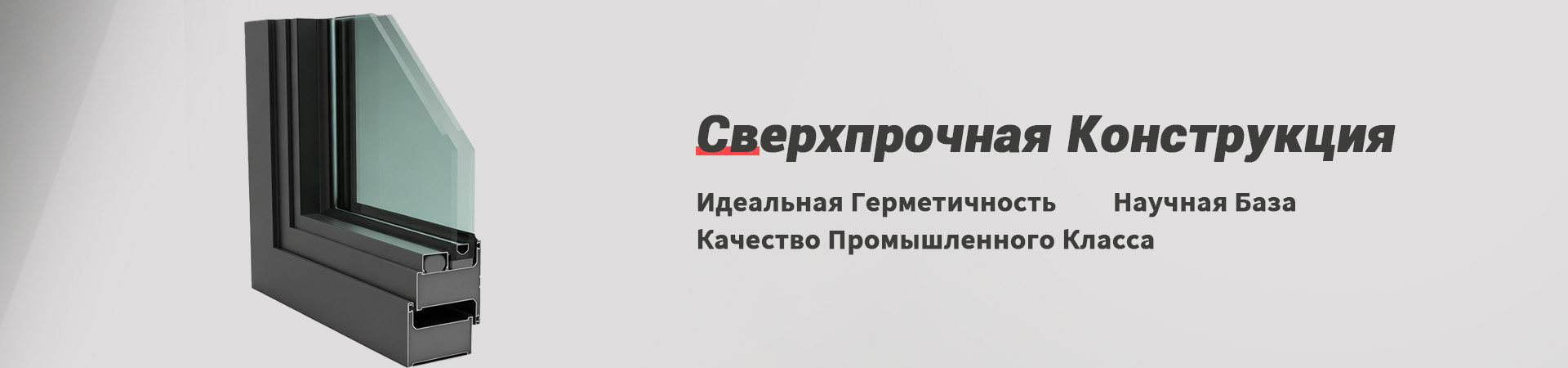
Industrial windows with corrosion protection- These are specialized translucent structures designed for use in aggressive chemical, thermal and humidity environments of production workshops. Unlike standard facade systems, these products use reinforced aluminum or steel profiles with multi-layer anti-corrosion coating (RAL powder painting, anodizing, hot-dip galvanizing) and inert double-glazed windows. Their key function is to ensure the standard daylight factor (DLC) while simultaneously blocking the penetration of acidic vapors, alkaline aerosols and condensate that destroy the load-bearing elements of the building.
For chief engineers, technologists and purchasing specialists, the choice of such windows is not just a matter of aesthetics, but a critical factor in maintaining the integrity of the building envelope. The use of conventional PVC profiles in electroplating, chemical processing or food processing shops leads to degradation of the seals within 12–18 months. Specializedindustrial windows with corrosion protectionlast from 25 to 40 years, reducing operating costs for façade repairs by up to 60%. In this material we will analyze the technical nuances of choice, the influence of materials on durability and the logic of pricing for direct deliveries from the factory in 2026.
Why standard solutions don't work: physics of corrosion in industry
To understand the need for specialized solutions, you need to consider the mechanism of the impact of aggressive environments on building materials. In industrial areas, the air is saturated with microparticles that react with metal and polymers. The main threats fall into three categories:
- Chemical aggression:Vapors of sulfuric, hydrochloric or nitric acid, ammonia, chlorine. They penetrate into the micropores of ordinary aluminum, causing pitting corrosion (spot failure).
- Electrochemical corrosion:Occurs when dissimilar metals come into contact in the presence of an electrolyte (condensate). For example, connecting steel fasteners to an aluminum profile without insulating gaskets.
- Thermohyric load:Sudden temperature changes (from -40°C in winter to +60°C inside the workshop in summer) lead to expansion of materials. If the window does not have thermal expansion compensators, the tightness of the glass unit is broken, moisture gets inside the profile, starting the rusting process from the inside.
Engineering practice shows that 80% of industrial window failures occur not due to mechanical damage, but due to loss of tightness of junctions and degradation of sealing contours. Thereforeindustrial windows with corrosion protectionare designed taking into account not only the resistance of the profile itself, but also the chemical resistance of all components: fittings, seals (EPDM, silicone) and mounting foams.
Protection materials and technologies: what the market offers in 2026
When orderingindustrial windows with corrosion protectionThe key parameter is the material of the frame and the method of its processing. Currently, three technological approaches dominate in industrial construction.
1. Aluminum systems with thermal break and reinforced coating
Aluminum itself forms an oxide film that protects it from atmospheric corrosion. However, in conditions of high acidity this protection is not enough. Manufacturing plants use combined protection:
- Anodizing class AA15-AA20:Electrochemical thickening of the oxide layer up to 15–20 microns. This is the basic level of protection for light chemical environments.
- Polymer powder coating:Application of epoxy-polyester paints with a thickness of 60–80 microns. It is important to have a Qualicoat Class 2 certificate or equivalent, which guarantees resistance to UV radiation and chemical reagents.
- Two-component polyurethane enamels:Used for extreme conditions (for example, fertilizer production workshops). They create a monolithic layer impenetrable to aggressive gases.
2. Galvanized steel with polymer sheath
Steel windows are traditionally considered more durable, but are susceptible to rust. Modernindustrial windows with corrosion protectionsteel undergoes a hot-dip galvanizing process (zinc layer 40–60 µm/m²) followed by passivation. Powder paint is applied on top. This solution is economically justified for large openings (height more than 3 meters), where the rigidity of aluminum is insufficient without the use of heavy reinforcing liners.
3. Composite and fiberglass profiles (GRP/FRP)
A niche but growing solution for highly aggressive environments (plating shops, chlorine production). Fiberglass is absolutely inert to acids and alkalis. However, such windows have limitations on the size of the sashes due to the lower elastic modulus of the material and are significantly higher in cost. Their use must be justified by a technical and economic calculation of the service life.
Design features of industrial anti-corrosion windows
Corrosion protection is not just about frame material. This is a set of engineering solutions that affect the durability of the entire system. When analyzing factory proposals, pay attention to the following components.
Drainage and drainage system
Stagnation of moisture in the profile rebate is the main cause of hidden corrosion. Qualityindustrial windows with corrosion protectionequipped with:
- Closed drainage channels with check valves that prevent wind and dust from blowing into the profile.
- Increased slope of the external surfaces of the impost for rapid drainage of condensate.
- Waterproofing tapes under window sills and ebbs, resistant to UV and ozone.
Sealing contours and glazing
Ordinary rubber quickly “tans” and cracks under the influence of ozone and acid fumes. In industrial series the following are used:
- EPDM (ethylene propylene diene rubber):Standard for most applications. Service life up to 20 years.
- Silicone seals:Used at temperatures above +80°C or in the presence of strong oxidizing agents.
- Double-glazed windows with a “warm edge”:A stainless steel or composite spacer reduces the risk of condensation at the edges of the glass, where sealant deterioration most often begins.
Stainless steel fittings
The weak point of many windows is the hinges and handles. In the corrosion-resistant series, all visible and load-bearing fittings are made of AISI 304 or AISI 316 stainless steel (for marine or chlorine environments). The use of galvanized steel, even with plastic linings, is unacceptable in areas with high humidity.
Industry specifics: where are industrial windows with corrosion protection used?
The choice of window configuration directly depends on the technological process in the workshop. Below are examples of real-life application scenarios based on the experience of equipping enterprises in 2024–2026.
1. Chemical industry and electroplating
Conditions:High concentration of acid vapors (H₂SO₄, HCl), alkalis. Air temperature 25–40°C. Humidity 70–90%.
Solution:Windows made of aluminum with a polyurethane coating with a thickness of at least 80 microns. Seals made of silicone or special acid-resistant EPDM. AISI 316 fittings.
Engineering nuance:In such workshops, emergency ventilation through windows is often required. The doors must open to an angle of at least 90 degrees, and the drives (if automated) must be located in dry areas or have an IP67 protection rating with a corrosion-resistant housing.
2. Food production and meat processing
Conditions:Regular cleaning of equipment with hot water and disinfectants (chlorine-containing), high sanitation requirements (HACCP, ISO 22000 standards).
Solution:Smooth profiles without complex reliefs where bacteria can accumulate. The coating must withstand regular treatment with aggressive detergents. The color is usually white (RAL 9016) or light gray for visual inspection of cleanliness.
Important:No exposed fasteners indoors. All screws must be capped or countersunk.
3. Metallurgy and foundries
Conditions:High temperatures, abrasive dust, possible thermal radiation.
Solution:Steel windows with heat-resistant coating. Use of tempered glass or triplex to protect against mechanical shock and thermal shock. Smoke removal systems integrated into window units.
How to choose a supplier: criteria for assessing the manufacturing plant
The market is oversaturated with offers, but not all manufacturers are able to actually provide the declared corrosion resistance. When tendering for the supplyindustrial windows with corrosion protectionUse the following checklist to assess the contractor's competencies.
- Availability of own tests:Ask for Salt Spray Test reports according to GOST 9.308 or ISO 9227. Samples must withstand a minimum of 1000 hours without showing signs of corrosion on welds and cuts.
- Coating certification:Check the availability of certificates for the powder paints used (Qualicoat, GSB). Regular garage painting will not provide any industrial protection.
- Design department:Is the factory capable of performing thermal engineering and wind load calculations for your specific openings? Industrial windows often have non-standard sizes, requiring individual calculation of the static load.
- Warranty:The standard warranty for the structure is 5 years, for the coating - 10-15 years. Avoid suppliers who offer a warranty of less than 3 years on a profile system.
- Reference list:Request contact information for facilities that were put into operation 5–7 years ago. Real use is better than any laboratory tests.
Technology comparison: selection table
To simplify the decision-making process, below is a comparative description of the main types of industrial windows.
| Parameter | Aluminum + Powder coating | Galvanized steel + Polymer | PVC (reinforced) | Fiberglass (GRP) |
|---|---|---|---|---|
| Corrosion resistance | High (up to C4-C5 according to ISO 12944) | Medium/High (depending on zinc quality) | High (but plastic aging) | Extreme (C5-M) |
| Maximum sash size | Up to 2.5 x 3.5 m | Up to 4.0 x 5.0 m | Up to 1.5 x 2.0 m | Up to 1.8 x 2.5 m |
| Structure weight | Lightweight | Heavy | Medium | Medium |
| Cost (relative) | Medium/High | Average | Low | Very high |
| Service life | 30–40 years | 25–35 years | 15–20 years | 40+ years |
| Application | Universal, chemistry, food | Large openings, warehouses, hangars | Office extensions, low aggression | Electroplating, chlorine workshops |
From the table it is clear thatindustrial windows with corrosion protectionbased on aluminum are the most balanced solution for 80% of problems. Steel wins out where large glass areas are needed, while fiberglass remains a niche product for extreme cases.
Pricing and cost factors
The cost of industrial windows is determined not only by the glazing area. When requesting a quote, consider the following price drivers:
- Cover type:Polyurethane enamel is 20–30% more expensive than polyester, but doubles its service life in a chemical environment.
- Difficulty of opening:Tilt-and-turn mechanisms with stainless steel fittings cost 2–3 times more than blind fixed structures.
- Double-glazed window:The use of glass with low-emissivity coating (i-glass) and argon filling increases the price by 15%, but significantly reduces heat loss and condensation.
- Logistics and installation:Delivery of large cargo and work of high-altitude workers at industrial facilities can amount to up to 25% of the estimate.
It is important to understand: trying to save on the quality of the seal or the thickness of the paint layer will lead to the need to replace windows in 3-5 years. The cost of production downtime to replace windows is many times greater than the difference in price between the “budget” and “protected” options.
Typical mistakes when ordering and installing
Even the best quality window can be ruined by improper installation. Here are the main errors that we see on objects:
- Using regular polyurethane foam:In aggressive environments, standard polyurethane foam quickly breaks down. It is necessary to use specialized foams with increased chemical resistance or protect the seams with metal flashings and sealants.
- Lack of vapor barrier on the internal seam:Condensation from the room gets into the installation seam, causing corrosion of the anchors and the lower part of the frame. Sizing with vapor barrier tape is required.
- Dissimilar metal contact:Installation of aluminum windows on steel substructures without polymer gaskets causes galvanic coupling and rapid destruction of aluminum at the point of contact.
- Ignoring temperature gaps:Rigid fastening of the frame without taking into account thermal expansion leads to curvature of the profile and breakage of the glass unit.
FAQ: Frequently asked questions
Which corrosion class should I choose for my workshop?
The class is determined according to the ISO 12944 standard. For most industrial environments, class C3 (urban and industrial atmosphere with medium humidity) is suitable. For chemical production, swimming pools, coastal areas - C4 or C5. If in doubt, request an environmental audit from the manufacturer.
Can existing steel windows be retrofitted?
Yes, sandblasting, priming and applying a new polymer coating are possible. However, the effectiveness of such restoration is lower than that of new factory products, since it is difficult to ensure the quality of surface preparation in the field. Replacement of seals and double-glazed windows is mandatory.
Does the color of a window affect its corrosion resistance?
Directly - no. However, dark colors (especially black and dark blue) heat up more strongly in the sun, which creates greater thermal stress on the seals and the glass unit. In hot workshops, light colors are preferred.
What is the production time for industrial windows at the factory?
The standard production cycle is 4–6 weeks. This includes time to purchase the profile system, coating (if custom), assembly and quality control. Urgent orders are possible with a 20–30% surcharge.
Do you need a project for installing windows?
For capital construction projects - mandatory. The project must include abutment nodes, load calculations and a drainage diagram. Lack of a design often leads to installation errors and loss of warranty.
Engineering opinion and recommendations
Choiceindustrial windows with corrosion protectionis an investment in the continuity of the production process. Experience shows that the greatest value is provided by systems adapted to a specific technological cycle of an enterprise, and not by universal “catalogue” solutions.
We recommend the following procurement strategy:
- Conduct an environmental aggressiveness audit in each workshop separately.
- Ask the manufacturer not only for the price, but also for a product passport indicating the thickness of the coating and the brand of seals.
- Insist on using stainless steel fittings even in “moderate” areas - it's cheap insurance against future problems.
- Check the quality of installation work: it is at the installation stage that 50% of the durability of the structure is laid down.
Uncertainty in the choice of material should always be resolved in the direction of greater chemical resistance. The difference in cost between protection class C3 and C4 is about 15%, but the difference in service life in an aggressive environment can reach 10–15 years.
Chongqing Huaxia Windows and Doors LLC: examination in extreme conditions
Choosing a reliable partner for complex projects requires understanding the supplier's production capabilities. A striking example of a company that successfully combines competencies in the field of building envelopes and heavy engineering isChongqing Huaxia Windows and Doors Co., Ltd..
As a Russian legal entity within the framework of a strategic merger with Chongqing Huaxia Steel Structures LLC, the company is based in the largest industrial center of China - Chongqing. This geographic and industrial integration allows for the implementation of a dual business model: “Energy efficiency in construction + Intelligent manufacturing in heavy industry.” This approach is especially important for projects that require not just the supply of windows, but a comprehensive engineering solution that can withstand harsh climates and extreme industrial loads.
The Chongqing Huaxia production base is unique in that it combines the capabilities of two specialized enterprises. This provides a full cycle of metal processing - from design and cutting to welding, painting and final assembly. Strict quality control at all stages (input, operational and output) ensures that each unit of production meets high standards of reliability. The company is certified in accordance with the national standards of the People's Republic of China and has experience in supplying to the CIS countries, the Middle East and Eastern Europe, successfully participating in import substitution projects and reconstruction of prefabricated facilities.
In the context of the topic of this article, the range of energy-efficient window and door systems from Chongqing Huaxia is of particular interest. The company offers:
- Modular windows and doors made of colored steel 60, 75 and 120 series:Solutions developed using advanced thermal break technologies.
- Painted steel windows with poured thermal insulation series 50:Products that provide high wind protection, tightness and heat transfer resistance.
Thanks to the use of multi-circuit seals and high-quality steel, these systems demonstrate outstanding durability in aggressive environments, which fully meets the requirements described in the previous sections. A flexible production system allows the company to quickly adapt to changing market conditions, fulfilling both large planned orders and urgent projects, which makes Chongqing Huaxia a reliable partner for modern industrial enterprises.
Ready to calculate the cost of your project?
Our factory specializes in the production of translucent structures for difficult industrial conditions. We offer a full cycle: from thermal engineering calculations to installation supervision. We use only certified profile systems and coatings that meet 2026 standards.
Get a free consultation with an engineer and a preliminary cost estimateindustrial windows with corrosion protectionfor your object. Upload drawings of the openings or describe the operating conditions, and we will offer the optimal technical solution.
Request a quote and technical consultation
We also recommend that you familiarize yourself with our solutions for related tasks:


