



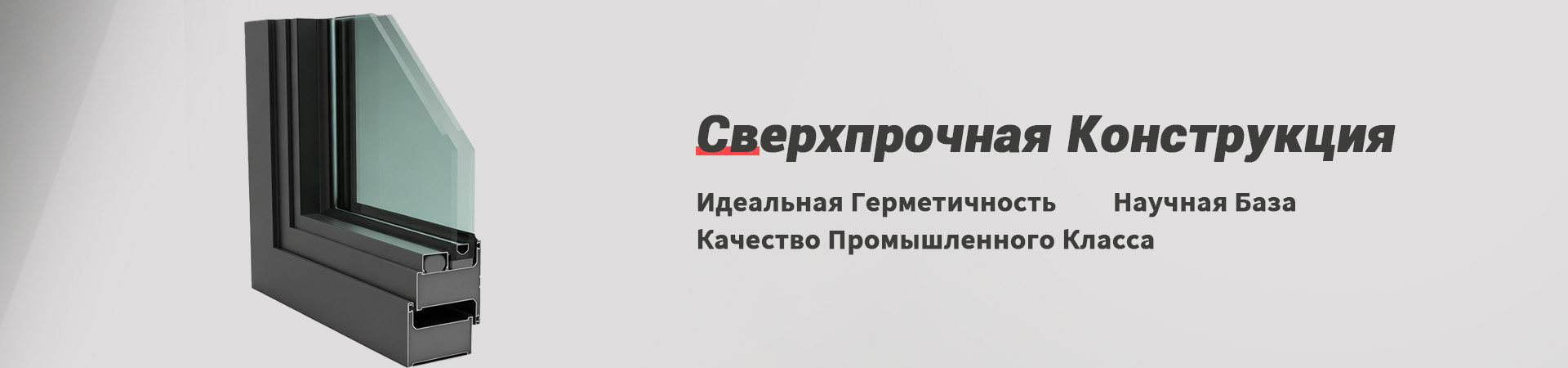
Fire-resistant industrial windows: buy from the factory
2026-08-17
- Fire-resistant industrial windows: technical requirements and direct supplies from the manufacturer
- What are industrial fire-resistant windows and their classification
- Where are fire-resistant industrial windows used: industry specifics
- Design features and materials: an engineering view
- Production approach: experience of Chongqing Huaxia Windows and Doors LLC
- How to choose fire-resistant industrial windows: a checklist for the buyer
- Technology comparison: Aluminum vs Steel vs Combined systems
- Pricing: what the cost is made up of
- Typical mistakes when ordering and installing
- Logistics and export opportunities
- FAQ: Frequently asked questions
- Conclusion and purchasing recommendations
Fire-resistant industrial windows: technical requirements and direct supplies from the manufacturer
Fire resistant industrial windowsare specialized translucent structures designed to prevent the spread of flame, smoke and thermal radiation through window openings in industrial buildings. Unlike standard aluminum or PVC systems, these products undergo strict certification according to GOST 30698-2014 and international standards (EN 13501-2), confirming the ability to maintain integrity (E) and thermal insulation ability (I) for a given time: EI 30, EI 45, EI 60 or EI 90 minutes.
The key value of such solutions lies not only in meeting fire safety requirements, but also in ensuring the continuity of production processes. At facilities with increased risks - oil refineries, chemical laboratories, fuel and lubricants warehouses and energy complexes - the use of uncertified glazing leads to blocking the operation of the premises by supervisory authorities. Purchasefire resistant industrial windowsdirectly from the factory allows you to eliminate the markup of intermediaries, guarantee the availability of EAC certificates of conformity and adapt the design to non-standard geometric parameters of openings.
This material is intended for chief engineers, procurement specialists and designers who are faced with the task of equipping facilities with fire hazard classes F1–F5. We will analyze the technical nuances of choosing profiles, types of fire-resistant glass, the influence of temperature loads on the integrity of the structure and the logic of pricing in 2026.
What are industrial fire-resistant windows and their classification
In industrial construction, a window ceases to be just a source of natural light. It becomes part of the fire barrier.Fire resistant industrial windowsThey are a complex engineering unit consisting of three main elements: a supporting frame (profile system), filling (double glazing or monolithic glass) and a fittings and sealing group.
The main misconception of the market is to believe that any reinforced glass is fire-resistant. This is wrong. Fire resistance is determined by the time a structure resists exposure to a standard temperature fire (ISO 834 heating curve). The classification is based on two limit states:
- Loss of Integrity (E):the appearance of through cracks or holes through which combustion products or flames penetrate.
- Loss of thermal insulation capacity (I):an increase in temperature on the unheated surface of the structure by more than 140°C (on average) or 180°C (at any point) compared to the initial temperature.
The following classes are most in demand for industrial facilities:
| Fire resistance class | Resistance time (min) | Typical industrial applications | Glass requirements |
|---|---|---|---|
| EI 15 | 15 | Auxiliary rooms, corridors, office areas inside workshops | Single-chamber package with one layer of fire protection |
| EI 30 | 30 | Warehouse areas, moderate risk production lines | Laminated glass with gel filler or intumescent films |
| EI 45 / EI 60 | 45–60 | Oil depots, chemical shops, server, transformer substations | Specialized multilayer blocks with ceramic layers |
| EI 90+ | 90+ | High-risk objects, nuclear power plants, metro tunnels | Reinforced structures with liquid-filled blocks |
The choice of class depends on the category of the premises in terms of explosion and fire hazard (A, B, B1–B4, D, E). For example, for categories A and B (petroleum products, gases) the minimum threshold often starts from EI 45, while for category D (cold metal processing) EI 15–30 may be sufficient if the window is not part of the main evacuation wall.
Where are fire-resistant industrial windows used: industry specifics
Demand forfire resistant industrial windowsis dictated not by the desire of the customer, but by strict standards SP 4.13130.2013 and Federal Law-123. However, in addition to compliance (compliance with the law), there are technological reasons for using such structures in specific industries.
Oil and gas sector and chemical industry
The key risk factor here is the instantaneous spread of flame and high levels of thermal radiation. Windows in operator rooms located directly next to tank farms or distillation columns must withstand not only direct fire, but also a shock wave. In 2025–2026, we are seeing a trend towards the use of EI 60 class windows with reinforced steel frames. At temperatures above 300°C, standard aluminum loses up to 50% of its strength, which is unacceptable. Therefore, in such areas, steel or combined (steel + aluminum) profiles with a thermal break are used.
Energy and transformer substations
In switchgear and switchboard rooms, window openings serve for visual inspection of equipment without personnel entering the hazardous area. The main risk is oil fire in transformers or cable tunnels. Here, not only fire resistance is critical, but also resistance to aggressive environments (ozone, technical oils). Windows are used with powder-coated profiles that are resistant to chemical attack and sealed glass units of class EI 30–45.
Food industry and pharmaceuticals
The specificity of these industries is the need for frequent sanitization using aggressive detergents and steam. Fire-resistant windows here must combine a fire safety certificate with hygienic conclusions. The profiles must have rounded corners (without dust collectors), and the seals must be resistant to steam and disinfectants. Aluminum systems with internal stainless steel reinforcement are often used.
Logistics centers and high-rack warehouses
Modern warehouses of classes A and B+ require clear zoning. Fire-resistant windows are installed in partitions separating the storage areas for dangerous goods (class B2–B3) from the picking areas and offices. An important aspect is the glazing area. Large panoramic windows in warehouses create a risk of rapid heating of adjacent rooms. The solution is to segment large openings with mullions or use glass with low thermal emission in combination with fire protection.
Design features and materials: an engineering view
Tofire resistant industrial windowsactually worked, and not just hung in the doorway, it is necessary to understand the physics of their work during a fire. The design consists of three critical nodes, each of which has its own limitations.
1. Profile system: metal versus plastic
In the industrial segment, PVC profiles are practically excluded due to the low temperature threshold for deformation (they begin to “float” at 70–80°C). The main choice is between aluminum and steel.
- Aluminum systems:Lighter, corrosion-resistant, aesthetic. To achieve fire resistance EI 30–60, special steel liners are placed inside the aluminum chambers or a profile with a thermal break made of non-flammable polymers (polyamide with the addition of glass fiber) is used. Important: regular polyamide thermal break can burn out, so special composites are used.
- Steel systems:They have the highest strength. Steel heats up more slowly due to its greater mass, but requires anti-corrosion protection. Modern steel windows are painted with powder paints that can withstand high temperatures. They are ideal for grades EI 60 and above.
2. Fire-resistant glass: multi-layer technology
The heart of the window is the glass block. Unlike tempered glass (which simply shatters when overheated), fire-resistant glass works on the principle of intumescence (swelling).
Typical structure of an EI 30/60 glass unit:
- External sheets of regular or tempered glass.
- Transparent interlayer materials (gel or films) containing hydrated silicates.
- When heated, the interlayer material becomes cloudy, swells and turns into a hard, opaque foam.
- This foam shields thermal radiation and retains glass fragments, maintaining the integrity of the barrier.
Engineering Note:The thickness of such a package can reach 30–50 mm for class EI 60, which requires reinforced fittings and a wide profile.
3. Seals and fittings
The weak point of any system is the perimeter. In the event of a fire, ordinary rubber seals burn out in seconds, opening the way for smoke. Fire-resistant windows use:
- Thermally expanding tapes (intumescent strips) along the contour of the sash and frame. When heated, they increase in volume 10–20 times, sealing the cracks.
- Steel or brass fittings. Plastic handles and mechanisms are not acceptable.
- Thermal insulating gaskets under the fasteners so that the metal anchor does not become a “cold bridge” (or in this case, a “heat bridge”) into the wall.
Production approach: experience of Chongqing Huaxia Windows and Doors LLC
Choosing a reliable supplier in the industrial glazing segment is critically important, since product quality directly affects the safety of the facility. A striking example of a company that successfully integrates advanced production technologies and strict quality control isChongqing Huaxia Windows and Doors Co., Ltd..
This Russian legal entity operates within the framework of a strategic association with Chongqing Huaxia Steel Structures LLC and is based in Chongqing, one of the key industrial centers of China. The company implements a unique dual business model combining “Energy Efficiency in Construction” and “Intelligent Manufacturing in Heavy Industry”. This approach allows us to create solutions that have been tested in the harshest climatic and extreme industrial conditions.
The company's production base combines the capabilities of two specialized enterprises: one in the field of construction metal structures, the other in the field of heavy engineering. This provides a full cycle of metal processing: from design and cutting to welding, painting and final assembly. Such vertical integration provides significant advantages in the production of fire-resistant windows:
- High precision metalworking:Experience in heavy engineering allows us to produce steel frames and reinforcing elements with the tolerances necessary for a tight fit of seals and correct operation of fittings at high temperatures.
- Quality control at all stages:Strict incoming inspection of raw materials, operational control of welding parameters and output inspection of finished products guarantee the stability of the performance of each batch.
- Specialization in complex conditions:The company is focused on the global market and specializes in products for use in polar climates, areas with aggressive environments and facilities with increased safety requirements.
The main range of enclosing structures includes energy-efficient window and door systems made of non-ferrous steel (series 60, 75, 120) and steel windows with poured thermal insulation (series 50). These solutions are developed using advanced thermal break technologies and multi-circuit seals, which is especially important for industrial windows, where not only fire resistance is important, but also tightness, wind protection and thermal resistance. The geography of supplies covers the CIS countries, the Middle East and Eastern Europe, where the company is actively involved in reconstruction and import substitution projects.
How to choose fire-resistant industrial windows: a checklist for the buyer
The market offers many solutions, but not all of them are suitable for a specific project. An error in selection leads to the fact that the EMERCOM inspector does not accept the object, or, worse, the structure is destroyed in a real incident. Below is a selection algorithm based on our delivery experience from 2010 to 2026.
Step 1. Determine the required fire resistance limit
Don't order "maximum protection" everywhere. It's unreasonably expensive. Look at the section “Fire safety measures” in the project documentation. The class of the partition into which the window is mounted is indicated there. If the wall is REI 60, the window must be at least EI 60. If the wall is non-load-bearing and only requires E 15, a simpler solution is sufficient.
Step 2. Checking the certificate of conformity
This is a critical point. The certificate must be valid and issued by an accredited laboratory. Pay attention to the “Scope of application” column. Some certificates are only valid for residential buildings or only for interior work. For the facades of industrial buildings, a certificate is required confirming the possibility of outdoor installation and resistance to climatic influences (wind load, UV radiation, temperature changes).
Step 3. Assessing dimensions and geometry
Fire-resistant double-glazed windows are heavier than ordinary ones. The maximum size of one section is limited by the weight of the fittings and the strength of the profile. Typically, the maximum area of one leaf for EI 60 is about 2.5–3 m². If the opening is larger, it must be divided with imposts. The manufacturing plant is required to provide a calculation of static loads.
Step 4. Climate control
For Russia, it is important to take into account the temperature range of operation. Fire-resistant gels may lose their properties at extremely low temperatures (below -40°C) if they do not have special additives. Check with the manufacturer for the lower operating temperature limit.
Technology comparison: Aluminum vs Steel vs Combined systems
When choosingfire resistant industrial windowsThere is often a dilemma between frame materials. The comparison table will help you make an informed decision.
| Parameter | Aluminum systems | Steel systems | Combined (Alu-Steel) |
|---|---|---|---|
| Structure weight | Low / Medium | High | Medium |
| Maximum fire resistance class | Up to EI 60 (less often EI 90) | EI 120 and above | Up to EI 90 |
| Corrosion resistance | High (natural) | Requires high-quality coverage | High |
| Cost | Medium/High | High | Above average |
| Aesthetics and design | Modern, slim profiles | Industrial, massive look | Balance of aesthetics and durability |
| Difficulty of installation | Standard | Requires reinforced fastenings | Standard |
| Recommendation for use | Offices, light production, food industry. | Heavy industry, oil and gas, mines | Facades of administrative buildings of factories |
Expert recommendation:For most civil industrial facilities (warehouses, light industry workshops), aluminum systems with thermal break are the best choice in terms of price/quality ratio. Steel should only be used where there is a risk of mechanical shock or extremely high fire temperatures.
Pricing: what the cost is made up of
The question “how much does it cost” in the B2B segment does not have a clear answer without technical specifications. However, understanding the price structure helps negotiate with the supplier. Costfire resistant industrial windowsis formed from the following components:
- Cost of fire-resistant glass (up to 60% of the price):This is the most expensive element. The price depends on the class (EI 30 is cheaper than EI 60) and area. EI 60 glass can cost 3–5 times more than conventional energy-efficient double glazing.
- Profile system:Specialized fire-resistant profiles are more expensive than standard façade profiles due to the complexity of extrusion and the need to install internal liners.
- Certification and tests:Part of the cost is included in the amortization of the plant’s costs for periodic fire tests in laboratories.
- Fittings and seals:Specialized heat-resistant components are more expensive than standard analogues.
- Logistics:Fire-resistant double-glazed windows are fragile during transportation due to their mass and multi-layer nature. Requires special packaging and careful transportation.
In 2026, prices for aluminum alloys will stabilize, but the cost of chemical components for fire-resistant gels remains volatile. Purchasing directly from a manufacturing plant that has its own glass assembly line allows you to save up to 20–25% compared to purchasing from assemblers who order glass from third parties.
Typical mistakes when ordering and installing
Even the best quality window can be ruined by improper installation. The following problems occur in the practice of our engineers:
- Using regular polyurethane foam:PPU (polyurethane foam) flammable. To install fire-resistant windows, it is necessary to use non-flammable mineral wool or special fire-resistant foam with a certificate. The gaps between the frame and the wall must be filled with materials that have the same fire resistance rating as the window.
- Geometry violation during installation:Misalignment of the frame even by 2-3 mm can lead to the fact that when the materials expand during a fire, the sash will jam, or, conversely, open spontaneously, violating the integrity of the barrier.
- Lack of thermal expansion compensators:In long glazing strips (more than 6 meters) it is necessary to provide expansion joints. Otherwise, during summer heating or winter cooling, the profile will deform, which will lead to depressurization of the double-glazed window.
- Replacing components “by analogy”:You cannot replace standard seals with regular rubber ones, even if they are better in color. The system is certified as an assembled unit. Any substitution will invalidate the certificate.
Logistics and export opportunities
As a manufacturing plant, we will arrange the deliveryfire resistant industrial windowsthroughout the Russian Federation and CIS countries. Given the size and fragility of the products, logistics requires a special approach:
- Production of wooden or metal transport frames (cages) for each double-glazed window.
- Cargo insurance for the full value.
- Providing a full package of documents for customs (certificates of origin, technical passports, installation instructions in Russian and English).
- Possibility of supervision of installation: our specialist will visit the site to monitor the correct installation by the first contractors.
FAQ: Frequently asked questions
Q: Can a fire window be made to open?
A: Yes, modern systems make it possible to create swinging and even sliding fire-resistant structures. However, sliding systems are more difficult to certify and are usually limited to class EI 30. For EI 60 and above, swing or fixed options are more often recommended.
Q: What is the service life of fire-rated glass?
A: Manufacturers provide a guarantee for the preservation of the properties of the fire-resistant gel from 10 to 25 years, depending on operating conditions. It is important to avoid direct contact of aggressive chemicals on the end of the glass unit.
Q: What is the difference between an EI 30 window and an E 30 window?
A: The E 30 window holds the flame for 30 minutes, but lets the heat through. You can’t stand on it - there will be a burn. The EI 30 window holds both flame and heat. For industrial facilities where there are personnel, EI (thermal insulation) is almost always required.
Q: Is it possible to buy fire-resistant industrial windows in small quantities?
A: Yes, we work with both large tenders and spot orders for replacement or reconstruction. However, minimum quantities may affect production times due to the need to customize the line to specific sizes.
Q: Do these windows need to be serviced?
A: There is no specific maintenance required for fire resistant properties. Standard window care is sufficient: checking the fittings, cleaning the glass, checking the integrity of the seals once a year.
Conclusion and purchasing recommendations
Supplier selectionfire resistant industrial windowsis a matter of security for your business. In 2026, the market is overflowing with offers, but only a few factories have a full production cycle: from profile extrusion to assembly of multi-layer glass units and internal testing.
We recommend:
- Request not just a price list, but a reference list with objects in your industry.
- Check the date of issue of the certificate (it must be recent).
- Check the availability of a warehouse of finished products or raw materials to reduce lead times.
- Pay attention to technical support: can the plant help with the calculation of loads and abutment units?
Our plant guarantees product compliance with the declared characteristics, transparent pricing and compliance with delivery deadlines. We understand that a delay in window delivery can disrupt the commissioning of the entire facility, so we have built logistics taking these risks into account.
To get a quote for your project, receive technical advice or request samples, fill out the form below or contact our sales team. Engineers are ready to prepare a preliminary design proposal within 24 hours.
Ready to discuss your project?
Receive a commercial offer and technical advice
We also recommend that you familiarize yourself with our solutions for related tasks:
Smoke hatches and valves
Fire-resistant industrial doors


