



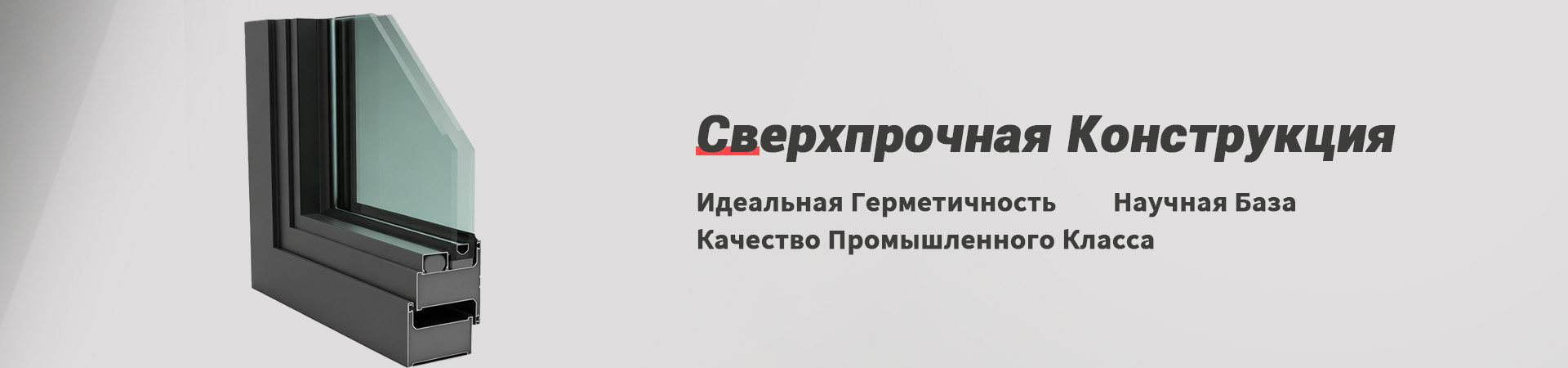
Buy industrial windows with UV protection: factory prices
2026-08-17
- Industrial windows with UV protection: technical standards, factory prices and selection criteria for production
- Physics of the process: why does production need ultraviolet blocking?
- Manufacturing technologies: how protection is achieved
- Where are industrial windows with UV protection used: industry cases
- How to choose industrial windows with UV protection: parameters and specifications
- The role of the manufacturer: the experience of Chongqing Huaxia Windows and Doors LLC
- Price Range and Cost Factors
- Logistics, installation and service
- Typical mistakes when purchasing and designing
- Comparison with alternative protection methods
- Frequently asked questions (FAQ)
- Engineering opinion and procurement recommendations
- Ready to optimize the lighting in your business?
Industrial windows with UV protection: technical standards, factory prices and selection criteria for production
Industrial windows with UV protectionare specialized translucent structures designed to block the ultraviolet spectrum (UV-A and UV-B) in production workshops, warehouses and laboratories. Unlike household glazing, such systems solve engineering problems: they prevent the degradation of polymer materials, protect sensitive equipment from fading and reduce the heat load on the enterprise’s climate systems. The use of standard silicate glass without modification leads to a loss of strength of plastic parts on conveyors after 12–18 months of operation, which increases the defect rate to 5-7%.
Orderingindustrial windows with UV protectiondirectly from the manufacturer, industrial enterprises receive not just a double-glazed window, but a comprehensive solution that complies with GOST 30674-99 and international ISO standards. The key advantage of factory delivery is the ability to integrate specific films or interglazed coatings (Low-E with UV barrier) directly into the profile structure, which guarantees a coating service life of at least 25 years. Factory prices exclude distributor markups, allowing you to optimize capital expenditures (CAPEX) when upgrading facilities.
This material is a technical overview and purchasing guide. We will analyze the physics of the protection process, compare technologies for applying barriers, calculate the real savings from the implementation of such windows and provide clear recommendations for choosing a supplier in the market conditions of 2026. If your goal is to maintain raw material integrity and reduce conditioning costs, this analysis will help you make informed engineering decisions.
Physics of the process: why does production need ultraviolet blocking?
Ultraviolet radiation makes up about 5-7% of the solar spectrum reaching the Earth's surface. It is invisible to the human eye, but its photon energy is sufficient to break chemical bonds in organic molecules. In an industrial context, this phenomenon is called photodegradation. The process of destruction of materials under the influence of UV radiation is cumulative and often unnoticeable in the early stages, but its consequences for business are catastrophic.
Mechanism of destruction of materials
When UV photons (wavelength 280–400 nm) strike the surface of a polymer, paint or textile, they transfer energy to the electrons of the molecules. This leads to the formation of free radicals, which initiate oxidation chain reactions. The result depends on the type of material:
- Polymers and plastics:Loss of elasticity, appearance of microcracks, discoloration (yellowing). Parts made of PVC, polycarbonate or polyethylene become brittle and break under vibration loads.
- Paint coatings:Fading of pigments, chalking of the surface, peeling of paint from the metal. This is critical for warehouses of finished products, automobiles or building materials.
- Textiles and packaging:Destruction of fabric fibers, loss of strength of packaging materials, which leads to ruptures during transportation.
- Food products:Acceleration of fat oxidation (rancidity), destruction of vitamins and changes in the organoleptic properties of products stored in light.
Standard 4 mm thick float glass transmits up to 75-80% of UVA radiation. Even a double-glazed window without special treatment blocks only part of the spectrum, leaving the most dangerous long-wave range virtually unchanged. This is why installing conventional windows in workshops with sensitive materials is an economic mistake.
Impact on heat balance and HVAC systems
In addition to chemical degradation, UV radiation is inextricably linked with infrared (thermal) radiation. Windows without selective coating act as greenhouse traps. In summer, the temperature inside the production premises can exceed the outside temperature by 8–12°C. This forces ventilation and air conditioning (HVAC) systems to operate at maximum capacity.
Engineering practice shows that replacing conventional glazing withindustrial windows with UV protectionand a solar factor (g-factor) below 0.4 can reduce the load on chillers and air conditioners by 20-30%. For a 5,000 m² plant, this means saving tens of thousands of kilowatt-hours of electricity annually. Thus, UV protection is not only a matter of product safety, but also an energy efficiency tool.
Manufacturing technologies: how protection is achieved
In the 2026 market, there are three main technological approaches to creating UV barrier glazing. The choice of specific technology depends on the project budget, the required visible light transmittance (VLT) and the aggressiveness of the environment.
1. Volumetric glass painting (Mass-tinted glass)
Metal oxides (iron, bronze, sulfur) are added to the glass melt at the production stage. This glass has a natural tint (green, bronze, gray) and absorbs UV rays throughout its thickness.
- Benefits:High mechanical strength, scratch resistance, durability (properties do not change over time).
- Disadvantages:Reduced transparency (VLT drops to 50-60%), change in color rendering indoors, high heat absorption coefficient (glass gets very hot).
- Application:Building facades where aesthetic effect and partial protection are important.
2. Magnetron sputtering (Low-E and multifunctional coatings)
Microscopic layers of metal oxides (silver, titanium, zinc) are applied to the surface of the glass in a vacuum chamber. Modern multifunctional coatings are able to reflect both IR radiation (heat) and block up to 99% of the UV spectrum, remaining visually transparent.
- Benefits:Maximum transparency (VLT > 70%), highest energy efficiency, compactness (the coating inside the glass unit is protected from the external environment).
- Disadvantages:High cost, sensitivity of the coating to mechanical damage before assembling the glass unit, the need to use soft sealants.
- Application:Premium production lines, laboratories, food shops with high lighting requirements.
3. Interceptor films and lamination
The use of multilayer structures, where a polymer film with UV absorbers is applied between sheets of glass or on the inner surface. Triplex technology is often used.
- Benefits:Possibility of upgrading existing windows (sticking film), high safety (if broken, fragments do not fly apart), flexibility in setting the level of protection.
- Disadvantages:Films have a limited service life (10-15 years) due to burnout of the absorbers themselves, the risk of peeling due to temperature changes, and the difficulty of cleaning.
- Application:Reconstruction of old assets, temporary solutions, areas with increased safety requirements.
| Parameter | Volumetric coloring | Magnetron sputtering (i-glass) | UV Film/Laminate |
|---|---|---|---|
| UV blocking (%) | 40-60% | up to 99% | up to 99.9% |
| Service life | Indefinitely | 25+ years (included in the package) | 10-15 years |
| Transparency (VLT) | Reduced | High | Medium/High |
| Cost | Average | High | Low/Medium |
| Energy efficiency | Average | High | Low |
Where are industrial windows with UV protection used: industry cases
Understanding the specifics of the industry allows you to accurately determine the required glazing characteristics. Below are real-life use cases based on industrial site analysis.
Pharmaceuticals and medical warehouses
In the pharmaceutical industry, maintaining temperature conditions and protecting drugs from light are GMP (Good Manufacturing Practice) requirements. Many medicinal substances (antibiotics, vitamins, infusion solutions) are photosensitive. Exposure to even a small amount of UV rays can lead to a change in the chemical formula of the drug.
Engineering solution:Use of double-glazed windows with magnetron sputtering, providing 100% blocking of UV-B and 99% of UVA. Visible light transmittance must remain above 60% for comfortable work of personnel during inventory taking. Additionally, such windows provide thermal insulation, which reduces the risk of local overheating of storage areas near the windows.
Production of plastics and composites
Injection molding or extrusion shops where polymer pellets or finished plastic products are stored. Polypropylene and polyethylene are extremely vulnerable to photo-oxidation. Without protection, products stored near windows lose their impact strength. Returning a batch of defective pipes or casings due to fragility can cost the company millions of rubles.
Engineering solution:The use of glass tinted in the mass (bronze tint) in combination with an external sun visor. This reduces direct radiation and heating. It is important to calculate the luminous flux so as not to worsen the working conditions of machine operators. Here, priority is given to durability and protection of raw materials rather than maximum transparency.
Food and Beverage
Warehouses for finished products, especially fat and oil products, juices, wine and beer. Light causes a “light strike” in beer, giving it an unpleasant odor, and speeds up the oxidation of vegetable oils. In addition, bottle labels fade, making the product unattractive to retail.
Engineering solution:Laminated glass with UV filter. An important aspect is hygiene: the surface should be easy to clean with disinfectants. Films must be integrated inside the triplex to avoid contact with aggressive chemicals when washing windows.
Museums, archives and industrial libraries
Corporate archives of technical documentation, drawings and historical artifacts. Paper and ink deteriorate irreversibly when exposed to light.
Engineering solution:Glass with maximum UV reflectivity (museum standard). Often combined with automatic darkening systems (curtains or blinds) controlled by light sensors.
How to choose industrial windows with UV protection: parameters and specifications
When forming a technical specification (TOR) for a supplier, it is necessary to operate with specific physical quantities, and not in marketing terms. An error in choosing parameters can lead to windows not coping with the task or being unreasonably expensive.
Key Specifications
- UV transmittance (TUV):Measured as a percentage. A value of <1% is required for full protection. Standard glass has TUV≈ 70-80%. Specialized solutions are offered by TUV<0.5%.
- Solar factor (g-value or SHGC):Shows the proportion of total solar energy passing through the window. The lower this indicator, the less heat gets inside. For the southern regions of Russia, g < 0.35 is recommended.
- Visible light transmittance (LT or VLT):Determines the level of natural light. According to SNiP 23-05-95, high-precision industrial premises require a KEO (natural illumination coefficient) of at least 2-4%. Windows that are too dark will require artificial light to be turned on during the day, which will negate savings on air conditioning.
- Heat transfer coefficient (U-value):Characterizes the energy efficiency of the window itself (heat loss in winter). For industrial facilities in the central zone of the Russian Federation, the optimal value is U < 1.3 W/(m² °C).
- Selectivity (Light-to-Solar Gain ratio):Relation of VLT to g-value. The higher this indicator, the more light and less heat the window lets in. High selectivity is a sign of a premium energy-efficient product.
Profile system and fittings
The glass itself is only part of the system. Industrial windows are subject to wind loads, vibrations from equipment and frequent opening.
- Profile material:Aluminum profiles with thermal break (polyamide strip) are the standard for large industrial facades. They are durable, non-flammable and allow the creation of large-sized structures. PVC profiles reinforced with steel are suitable for medium-sized windows (up to 2.5 m in height).
- Seals:It is mandatory to use EPDM (ethylene propylene rubber) seals that are resistant to ozone and UV radiation. Cheap rubber analogues dry out in 3-5 years, breaking the seal.
- Accessories:For high-rise or hard-to-reach windows, electric drives or top-hung opening systems with mechanical bars should be provided.
The role of the manufacturer: the experience of Chongqing Huaxia Windows and Doors LLC
Selecting a reliable partner is a critical step in the implementation of industrial glazing projects. The company stands out in the marketChongqing Huaxia Windows and Doors Co., Ltd.is a Russian legal entity operating within the framework of a strategic association with a manufacturer of heavy metal structures. Based in the key industrial hub of Chongqing, China, the company operates a unique business model that combines competencies in energy-efficient building envelopes and heavy engineering.
This manufacturing integration allows Chongqing Huaxia to apply the strict quality standards of heavy industry to the production of window systems. The main range includes energy-efficient modular windows and doors made of colored steel (series 60, 75, 120) and steel windows with poured thermal insulation (series 50). These solutions are developed using advanced thermal break technology and multi-circuit seals, which provide high airtightness and wind protection even in extreme climate conditions.
The company's experience in working with objects that require increased reliability (from polar stations to military installations) makes its products an ideal choice for industrial enterprises, where windows must withstand not only UV load, but also aggressive external influences. A flexible production system allows you to quickly adapt to the requirements of import substitution and fulfill urgent orders for the markets of the CIS, the Middle East and Eastern Europe.
Price Range and Cost Factors
Costindustrial windows with UV protectionvaries widely. Understanding the price structure helps you avoid overpayments and hidden costs. Prices are indicated approximately for the Russian market in 2026, excluding installation.
What affects the final estimate?
1.Double-glazed window type:A single-chamber package with simple UV glass will cost 30-40% less than a two-chamber multifunctional package. However, saving on cameras will worsen sound and heat insulation.
2.Size and geometry:Non-standard shapes (triangular, arched) or oversized elements (> 3 m²) require reinforcement of the profile and the use of thicker glass (6-8 mm instead of 4 mm), which increases the price per square meter.
3.Order quantity:Factory production is advantageous for batch sizes of 50 m². Small volumes are often serviced by dealers with a markup of up to 50%.
4.Logistics:Delivery of large glass requires special transport and packaging (“pyramids”). The distance from the plant to the site can be up to 15-20% of the cost of the product.
Approximate cost structure (per 1 m²)
| Component | Economy (PVC + film) | Standard (Aluminium/Steel + tinting) | Premium (Steel/Aluminium + i-glass) |
|---|---|---|---|
| Profile system | 3,500 rub. | 6,000 – 7,500 rub. | 8,500 – 10,000 rub. |
| Double-glazed window | 2,500 rub. | 4,500 rub. | 7,000 rub. |
| Fittings and accessories | 1,000 rub. | 1,500 rub. | 2,500 rub. |
| Total per m² (material) | ~7,000 rub. | ~12,000 – 13,500 rub. | ~18,000 – 19,500 rub. |
Important: These prices are basic. An accurate calculation is possible only after thermal engineering calculations and measurements of the object. Products from manufacturers such as Chongqing Huaxia often offer competitive prices due to direct factory supply and the absence of intermediaries.
Logistics, installation and service
Industrial glazing is a complex engineering unit. Errors at the delivery or installation stage can negate all the benefits of expensive glass.
Transportation requirements
Double-glazed windows with soft Low-E coating require special care. During transportation they must be firmly fixed in an upright position. A tilt of more than 5 degrees is unacceptable, as this can lead to displacement of the spacer frame and depressurization. The packaging must protect the ends from moisture and mechanical shock.
Installation features
Installation of industrial windows must be carried out in accordance with GOST 30971-2012. Key points:
- Expansion joints:There should be a gap between the frame and the wall, filled with polyurethane foam with a vapor barrier. Rigid fixation without compensators will lead to cracking of double-glazed windows due to thermal expansion of aluminum or steel in the summer.
- Alignment:Misalignment of the frame even by 2 mm per meter of length can lead to jamming of the fittings and disruption of the pressure of the seals.
- Sealing:Use of high-quality UV-resistant sealants for external finishing of slopes.
Operation and care
To save propertiesindustrial windows with UV protectionrecommended:
- Wash glass at least 2 times a year (spring and autumn).
- Use mild detergents without abrasives and solvents (acetone and chlorine destroy sealants and coatings).
- Check the condition of the drainage holes in the profile to remove condensate.
- Lubricate the fittings with silicone grease annually.
Typical mistakes when purchasing and designing
An analysis of calls to the support service for 2024-2025 revealed a number of system errors made by purchasers and chief engineers.
Mistake 1: Ignoring the orientation of the building.Installing the most expensive energy efficient windows on a north facing facade where there is no direct sun is a waste of your budget. In the north, thermal insulation (U-value) is more important than sun protection (g-value). Conversely, saving on the southern facade leads to overheating.
Mistake 2: Confusion between “tinted” and “UV protected.”Dark glass does not always block ultraviolet light. Ordinary gray glass in bulk can transmit up to 50% of UV rays. A certificate indicating the transmittance spectrogram must be required.
Error 3: Lack of spare parts.When ordering a large batch of windows, repair kits (seals, handles, hinges) are not ordered. After 5 years, it may be impossible to find identical fittings from another manufacturer, which leads to the need to replace the entire assembly.
Error 4: Self-installation by a general construction crew.Installers who are accustomed to working with domestic windows often do not know the nuances of fastening heavy industrial structures. This leads to a violation of the geometry and loss of the factory warranty.
Comparison with alternative protection methods
Are windows the only solution? Let's consider the alternatives.
| Protection method | UV blocking efficiency | Impact on review | Durability | Implementation cost |
|---|---|---|---|---|
| UV windows (factory) | High (99%) | No effect / Minimal | High (25 years old) | High (CAPEX) |
| External awnings/blinds | Depends on closure (0-100%) | Block view when in use | Medium (mechanical wear) | Average |
| Pasting with film (retrofit) | High (99%) | May cause glare | Low (burnout 5-7 years) | Low |
| Chemical additives in raw materials | Protects only the product | Not applicable | Depends on the recipe | Increases the cost of the product |
Recommendation:The most effective is a combined approach. Installation of high-quality UV windows as basic protection + use of external blinds for peak solar hours. This allows flexible control of the microclimate.
Frequently asked questions (FAQ)
Q: Can UV film be applied to existing regular windows?
A: Yes, this is a possible budget solution. However, it is important to consider that the film creates an additional thermal load on the outer glass of the double-glazed window. If the glass is not tempered, it may burst due to thermal shock (“thermal crush”). Before pasting, it is necessary to conduct an audit of the current glazing. Also, the film has a service life of 5-10 years, after which it needs to be changed.
Q: Does UV protection affect plant growth in office areas or conservatories?
A: Plants need visible light (blue and red spectrum), not ultraviolet light, to photosynthesize. High-quality UV filters transmit visible light almost completely. Therefore, the plants will feel comfortable, but at the same time the interior and furniture around them will be protected from fading.
Q: What certificate confirms the effectiveness of protection?
A: The manufacturer must provide a test report indicating transmittance in the UV-A (315-400 nm) and UV-B (280-315 nm) ranges. In Russia, it is also important to have a GOST certificate of conformity and an EAC declaration.
Q: How long does it take to produce a batch of industrial windows?
A: The standard production time at the factory is 15-25 working days depending on the volume and complexity of the configuration. The timing may increase during the season (spring-summer). We recommend planning your purchase at least 2 months before the start of the installation season.
Q: Do I need special permission to install large stained glass windows?
A: If changes affect the load-bearing structures of the facade or the appearance of a building in a historical zone, coordination with architectural supervision is required. For internal partitions and replacing windows in existing openings without changing the geometry, permission is usually not required, but it is better to check the building design documentation.
Engineering opinion and procurement recommendations
Choiceindustrial windows with UV protectionis an investment in reducing operating expenses (OPEX) and maintaining product quality. Based on the experience of implementing projects in 2026, the following conclusions can be drawn:
Firstly, you should not skimp on the quality of the profile system. Even the best glass will not work effectively if the frame is frozen or warped. Aluminum and steel thermal break systems remain the gold standard for industrial applications.
Secondly, a mandatory step is thermal calculation. It will show the dew point and the risk of condensation, which is critical for warehouses with humidity conditions. Request this calculation from the supplier before signing the contract - a serious plant will do it for free.
Third, view the supplier as a partner. Having your own service, spare parts warehouse and warranty support is more important than a 5-10% price difference. Cheap windows from an unknown manufacturer often lead to repair costs that exceed the initial savings in the third year of operation.
We recommend requesting quotes from at least three manufacturers, comparing not only the price per square meter, but also the full specification: profile brand, type of spacer (warm edge vs aluminum), type of sealant and warranty conditions. Particular attention should be paid to manufacturers with vertically integrated production, such as Chongqing Huaxia, where quality control is carried out at all stages - from metal cutting to final assembly.
Ready to optimize the lighting in your business?
Get a free thermal calculation and configuration selectionindustrial windows with UV protectionto suit your needs. Our engineers will help you choose the optimal price-performance ratio, taking into account the specifics of your production and location region.
Contact us to receive a detailed price list and consultation with a technologist:
- 📞 Sales department phone number: [phone number]
- 📧 Email for technical inquiries: [Email address]
- 🏭 Sign up for a tour of the production facility:Get an invitation
Entrust the protection of your business to professionals. Choose quality that has been tested by time and standards.


