



Industrial windows for pharmaceuticals: custom production
2026-08-17
- Industrial windows for pharmaceuticals: GMP standards, sterility and microclimate control
- Regulatory framework and GMP requirements for glazing of clean rooms
- Design features: materials and engineering solutions
- Where industrial windows for pharmaceuticals are used: use cases
- How to choose industrial windows for pharmaceuticals: supplier evaluation criteria
- Comparison of glazing types: cost vs efficiency
- Typical mistakes when ordering and installing
- Logistics, installation and commissioning
- Pricing: what affects the cost?
- FAQ: Frequently asked questions about industrial windows
- Recommendations for purchase and long-term operation
Industrial windows for pharmaceuticals: GMP standards, sterility and microclimate control
Industrial windows for pharmaceuticalsare specialized translucent structures designed for integration into cleanrooms of ISO classes 5–8 (according to GOST R ISO 14644-1). Their key task is not simply to illuminate or visually control processes, but to ensure absolute tightness, chemical resistance to aggressive disinfectants and the exclusion of areas where microorganisms accumulate. Unlike standard glazing, such systems act as a barrier to prevent cross-contamination between areas of different pressure differentials.
For production managers, chief engineers and quality specialists, glazing selection is a critical step in facility validation. An error in the selection of seals or profiles can lead to failure of an FDA or EMA audit, as well as regular violations of microbiological standards. Modernindustrial windows for pharmaceuticalsmade of anodized aluminum or stainless steel AISI 304/316L, equipped with tempered glass with antistatic coating and mounted flush with wall panels. This solution ensures compliance with strict sanitation requirements, simplifies the cleaning procedure (CIP/SIP) and improves the overall energy efficiency of the complex by reducing heat loss through the building envelope.
Regulatory framework and GMP requirements for glazing of clean rooms
Pharmaceutical production is regulated by strict international and local standards. When designing and installing glazing, it is necessary to be guided not only by building codes (SNiP), but also by industry directives. A key document is EU GMP Annex 1 (Manufacture of Sterile Medicinal Products), which explicitly states the need to minimize surfaces that are difficult to clean.
Key regulatory requirements for window systems include:
- No dead zones:The structure should be free of protrusions, niches and crevices where dust particles or biofilm can accumulate. All corners must be rounded (radius of at least 3-5 mm) or have a smooth transition.
- Chemical inertness:The materials of profiles, glasses and sealants must withstand regular exposure to alcohols, quaternary ammonium compounds, hydrogen peroxide and other aggressive media used in sanitary treatment.
- Sealing and breathability:Windows must provide tightness class A according to GOST 30674 in order to maintain a given pressure difference (usually 10–15 Pa) between adjacent rooms of different cleanliness.
- Electrostatic safety:Surfaces should not accumulate static electricity, which attracts aerosol particles. The use of antistatic coatings or conductive glass is standard for cleanliness classes A and B.
Ignoring these aspects when ordering results in the window becoming the weak link in the HEPA/ULPA ventilation and filtration system. Engineering practice shows that up to 30% of violations of microbiological monitoring in old workshops are associated precisely with leaky joints of window blocks and wall sandwich panels.
Design features: materials and engineering solutions
Selection of materials forindustrial windows for pharmaceuticalsdictated by the balance between mechanical strength, structural weight and corrosion resistance. The market offers several technological approaches, each of which has its own niche of application.
Profile systems: Aluminum vs Stainless steel
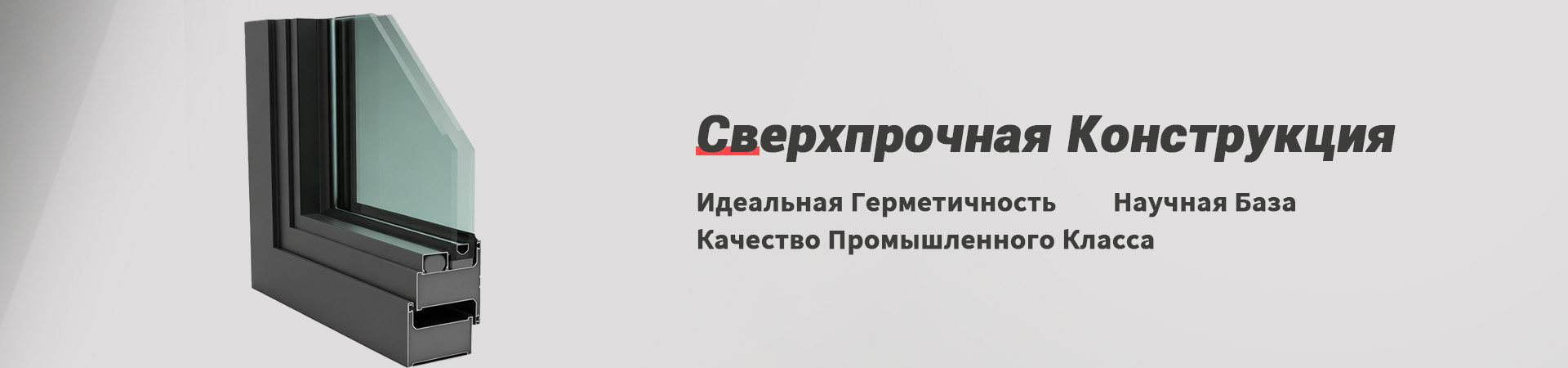
The most common solution is extruded aluminum systems. However, ordinary construction aluminum is unacceptable here. A profile with polymer powder coating (epoxy-polyester paints) with a layer thickness of 60–80 microns is used. This coating ensures surface smoothness (Ra < 0.8 µm) and scratch resistance.
For areas with increased sterility requirements (for example, production of injectable drugs, vaccines), AISI 316L stainless steel profiles are used. This alloy contains molybdenum, which significantly improves corrosion resistance in chloride-containing environments. Steel windows are heavier and more expensive (the difference in cost can reach 200–300%), but they have an unlimited service life if the surface is properly passivated.
The role of advanced manufacturing competencies
High demands on materials and manufacturing precision make it critical to choose a manufacturer that can provide a full cycle of quality control. An example of this approach is the activities of the companyChongqing Huaxia Windows and Doors Co., Ltd.- a Russian legal entity operating within the framework of a strategic association with an industrial giant from Chongqing. Through the unique integration of building envelope and heavy engineering competencies, the company operates a dual business model that combines energy efficiency and heavy industry reliability.
The production base combines two specialized enterprises, which allows for a full cycle of metal processing: from design and laser cutting to welding, painting and final assembly. Strict multi-stage quality control (input, operational and output) ensures that each product meets the standards required for use in extreme industrial environments and harsh chemical environments. This experience is especially important in the production of color steel window systems in the 60, 75 and 120 series, as well as in the 50 series insulated steel windows, which demonstrate high wind resistance and airtightness thanks to thermal break technologies and multi-circuit seals.
Double-glazed windows: safety and functionality
The use of ordinary flat glass is prohibited in the pharmaceutical industry due to the risk of splinters. The standard requires the use of multi-layer glass units:
- Tempered Glass:When destroyed, it crumbles into small fragments without sharp edges. Mandatory minimum for all production areas.
- Triplex (Laminated Glass):Two or more glasses connected by a polymer film (PVB or EVA). Even during an impact, fragments remain on the film, maintaining the tightness of the circuit. This is critical to maintaining pressure in biological safety cabinets.
- Wired glass:It is rarely used, only in areas with a risk of explosion loads, since the metal mesh inside makes cleaning difficult and can corrode.
The thickness of the glass is usually 4–6 mm, and the total thickness of the glass unit varies from 24 to 40 mm depending on the requirements for thermal insulation and sound insulation (if the window faces a noisy technical area).
Seals and sealants
The weak point of any structure is the joints. Pharmaceutical windows use USP Class VI (Biosafety) certified medical grade silicone seals. They do not emit volatile organic compounds (VOC) and do not support mold growth. Installation is carried out using neutral silicone sealants compatible with frame and wall materials.
Where industrial windows for pharmaceuticals are used: use cases
The integration of glazing depends on the functional purpose of the room. Let's look at three typical scenarios where different specifications are required.
Scenario 1: Sterile production (ISO Classes 5–7 / A–B)
Task:Visual control of the filling process of ampoules or vials without the operator entering the area (to minimize air turbulence).
Solution:Panoramic triplex windows built into modular walls made of stainless steel. Glass often has a light tint layer to protect light-sensitive medications (such as vitamins or some antibiotics) from UV radiation.
Technical Parameters:
- Pressure drop: >15 Pa relative to adjacent areas.
- Frequency of sanitation: Daily, using steam or aggressive chemicals.
- Feature: Complete absence of frame covers in the visible area (structural glazing) for maximum visibility.
Scenario 2: Quality Control Labs (QC Labs)
Task:Isolation of microbiology laboratories from corridors, ensuring supervision of the work of laboratory assistants.
Solution:Aluminum windows that can be opened (tilt-and-turn) for sample transfer or emergency ventilation, but with latches to prevent doors and windows from being opened at the same time (interlock system).
Technical Parameters:
- Sound insulation: Rw ≥ 30 dB (to protect against noise from HPLC/GC equipment).
- Resistance to reagents: High (acids, alkalis).
Scenario 3: Warehouse and packaging areas (ISO Class 8/D)
Task:Natural lighting to reduce energy costs, separation of storage areas for raw materials and finished products.
Solution:Large-format industrial windows with energy-saving i-glass. The presence of imposts (vertical and horizontal jumpers) is allowed to strengthen the structure for large sizes.
Economic effect:The introduction of natural lighting makes it possible to reduce energy consumption for lighting by up to 40% during the day, which, with a warehouse area of 2000 m², provides savings of up to 15–20 thousand kWh per year.
How to choose industrial windows for pharmaceuticals: supplier evaluation criteria
The market for proposals is wide, but not all manufacturers understand the specifics of GMP. When conducting a tender or request for quotation (RFQ), use the following checklist to filter contractors.
| Selection criterion | Requirement for the pharmaceutical industry | Why is this important |
|---|---|---|
| Material certification | Availability of certificates for profiles, glass and seals (compliance with sanitary standards). | Confirmation of safety for contact with medicinal media (indirect). |
| Validation experience | Providing a package of IQ/OQ (Installation/Operation Qualification) documents. | Acceleration of the process of object qualification by supervisory authorities. |
| Joint design | Flush mount system with external radii. | Elimination of dust accumulation areas, making cleaning easier. |
| Production flexibility | Possibility of manufacturing non-standard shapes (round, arched, trapezoidal). | Integration into existing architectural solutions or design projects. |
| Logistics and installation | Availability of our own installation teams trained to work in clean rooms. | Installation using “dirty” methods is unacceptable in existing workshops. |
Engineering advice:Do not skimp on the design stage of window-to-wall junctions. If you use sandwich panels, the window must have a special frame or adapter that compensates for the thermal expansion of the metal and panel. Rigid fixation without expansion joints will lead to depressurization of the seam after 1–2 years of operation due to temperature deformations.
Comparison of glazing types: cost vs efficiency
When considering a project budget, a dilemma often arises: to choose a standard industrial solution or a specialized pharmaceutical one. Below is a comparison to help you make an informed decision.
| Parameter | Standard industrial windows | Specialized GMP windows |
|---|---|---|
| Cost (rub/m²) | Low / Medium | High (x1.5 – x2.5) |
| Tightness | Class B-C (microinfiltration allowed) | Class A (fully insulated) |
| Resistance to disinfection | Medium (risk of profile clouding) | High (certified coatings) |
| Service life in aggressive environments | 5–7 years | 15–20 years or more |
| Risk of contamination | High (presence of cracks, porosity) | Minimal (monolithic surfaces) |
| Applicability | Warehouses, administrative areas, packaging areas (D) | Sterile areas, laboratories, production (A, B, C) |
Using standard windows in sterile areas is a false economy. The cost of requalifying a room after identifying microbiological violations is many times greater than the difference in price between types of windows. For class D areas and raw material warehouses, it is acceptable to use lightweight versions of GMP windows, where the main emphasis is on hygiene rather than on ultra-high tightness.
Typical mistakes when ordering and installing
An analysis of projects for 2024–2025 revealed a number of systemic errors made by customers and contractors.
- Wrong choice of glass thickness.For wide openings (>1.5 m), the use of 4 mm glass leads to a “lens” effect and vibrations when personnel pass. The minimum recommendation for such spans is 6 mm tempered glass or 4+4 triplex.
- Ignoring condensation.In areas with high humidity (washing, sterilization), single-chamber double-glazed windows may fog up from the inside if the dew point moves inside the chamber. Solution: use of two-chamber bags with a desiccant in a spacer frame or heated glass.
- RAL color mismatch.Pharmaceutical interiors are often strictly regulated by colors (for zone coding). An error in the shade of gray or white by 5–10 units can cause a remark during a visual audit of the aesthetics of the room.
- No cleaning protocol.The supplier does not provide recommendations regarding the compatibility of detergents with sealants. The use of abrasive sponges or high concentrations of chlorine-containing products quickly destroys the silicone, breaking the seal.
Logistics, installation and commissioning
Delivery and installation processindustrial windows for pharmaceuticalsdifferent from civil engineering. Transportation should be carried out in a protective film that prevents micro-scratches, which will subsequently become sources of contamination.
Installation must be carried out in accordance with a protocol that excludes the generation of dust:
- Use of class H (HEPA-filtered) vacuum cleaners when drilling holes.
- The use of vacuum suction cups for positioning heavy double-glazed windows.
- Immediate sealing of joints after installation.
- Carrying out Integrity Tests on seals after installation.
After installation, windows are subject to a qualification procedure. This usually includes a visual inspection, an opening force test (if there are sashes), a smoke test to check the tightness of the rebate, and a light level measurement.
Pricing: what affects the cost?
The cost of a glazing project is determined by several factors. Understanding this structure will help you optimize your budget without losing quality.
- Profile material:Painted aluminum - base price. AISI 316L stainless steel - premium segment.
- Glass type:Tempered glass is cheaper than triplex. Electrically heated or tinted glass increases the cost by 30–50%.
- Geometry complexity:Rectangular windows of standard sizes are cheaper to produce. Arched, round or triangular shapes require custom equipment adjustments and manual assembly of corners.
- Accessories:Specialized hidden fittings or handles with antibacterial coating are more expensive than standard analogues.
- Batch size:Serial production of windows of the same type reduces unit costs by optimizing profile cutting.
The estimated production time for non-standard GMP windows is 4–6 weeks. Rush orders are possible, but incur a surcharge of up to 20%.
FAQ: Frequently asked questions about industrial windows
Q: Can windows be installed in an existing cleanroom?
A: Yes, it is possible, but requires careful planning. Work should be carried out during non-working hours, using local shelters and HEPA filters to protect the area from construction dust. It is preferable to use collapsible structures or windows installed outside (if the wall structure allows).
Q: How often should seals on pharmaceutical windows be replaced?
A: Medical grade silicone seals last 5-7 years with regular chemical treatment. However, visual inspection should be carried out quarterly. If cracks appear, lose elasticity or change color, the seal must be replaced immediately.
Q: Are regular PVC windows suitable for pharmaceuticals?
Oh no. PVC has a porous structure, is prone to electrostaticization and is deformed under the influence of many disinfectants. Its use in class A-C cleanrooms is strictly prohibited by GMP standards.
Q: What is the maximum area of one window unit?
A: Technological limitations depend on the thickness of the glass and the rigidity of the profile. For 6 mm tempered glass, the recommended maximum is 2.5–3 m². Larger areas require mullions or the use of thicker glass (8-10mm), which increases the weight and stress on the wall.
Q: Do windows affect the operation of the ventilation system?
A: They do not have a direct effect on the performance of the fans, but they do affect the pressure balance. A poor-quality window will become a source of uncontrolled air leaks, which will disrupt the pressure cascade and require reconfiguration of the HVAC system.
Recommendations for purchase and long-term operation
When preparing specifications for a tender, include a requirement for the manufacturer to provide a “Material Certificate” confirming the migration safety of the components. This will save your quality department time during audits.
For long-term maintenance, develop an internal SOP (standard operating procedure) for window maintenance. Prohibit personnel from using scrapers, abrasive powders, or acetone- or kerosene-based solvents. Use only mild detergents and lint-free wipes recommended by the manufacturer.
Remember thatindustrial windows for pharmaceuticals- this is not just an element of the interior, but part of an engineering system for ensuring product quality. Investments in the right solutions during the construction phase pay off in reduced risk of defects, successful inspections and a long service life without major repairs.
If you are planning to modernize an existing facility or build a new pharmaceutical complex, you need an individual calculation of loads and selection of glazing configurations. Our engineers are ready to audit your project and offer a technical solution that matches the cleanliness class of your production. CompanyChongqing Huaxia Windows and Doors Co., Ltd., based on its experience in the CIS countries, the Middle East and Eastern Europe, is ready to offer flexible terms of cooperation, prompt technical support and adaptation of products to regional requirements. Our philosophy of long-term partnership is based on technological transparency and responsibility for results, which is especially important when implementing complex import substitution and reconstruction projects.


