



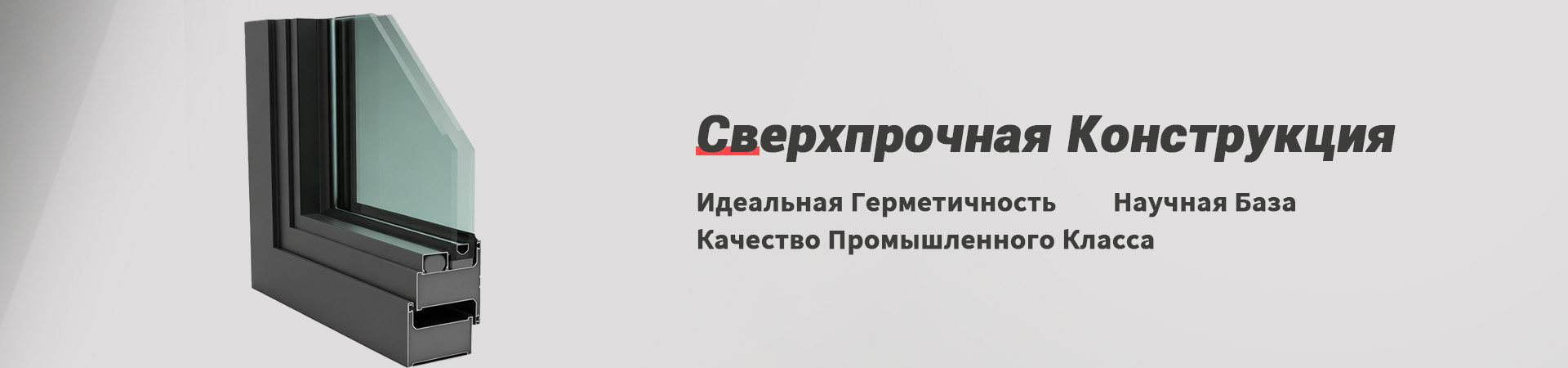
Industrial windows for the food industry: custom production
2026-08-17
- Industrial windows for the food industry: standards, materials and custom production in 2026
- Application specifics: where and why are industrial windows needed for the food industry
- Materials science: what are industrial windows for the food industry made of?
- Design features and hygienic design
- How to choose industrial windows for the food industry: step-by-step algorithm
- Production capabilities: experience of Chongqing Huaxia Windows and Doors LLC
- Comparison of opening types and operating scenarios
- Logistics, installation and service
- Pricing: what affects the cost of industrial windows
- Typical errors when ordering and using
- FAQ: Frequently asked questions about industrial windows
- Conclusion and recommendations for purchasing
Industrial windows for the food industry: standards, materials and custom production in 2026
Industrial windows for the food industry- these are specialized translucent structures, designed taking into account strict sanitary standards (SanPiN, HACCP, ISO 22000) and extreme operating conditions at food processing enterprises. Unlike standard glazing, such solutions must withstand regular aggressive chemical treatment, temperature changes from -40°C to +120°C, high pressure washing and prevent the accumulation of bacterial biofilm.
The key task of these structures is to provide visual control of technological processes without violating the tightness of production areas. Correctly selectedindustrial windows for the food industryreduce the risk of cross-contamination, improve workplace ergonomics through natural lighting and meet regulatory requirements. In 2026, the market demands not just “glass in a frame”, but engineered solutions with integrated integrity sensors, antibacterial coatings and a modular system for quick dismantling for sanitation.
This guide examines in detail the technical aspects of selection, material science of profiles, requirements for fittings and the logic of purchasing such systems for meat processing, dairy, bakery and canning factories.
Application specifics: where and why are industrial windows needed for the food industry
Food production is divided into zones with different classes of cleanliness and microclimate. Glazing in each zone performs its own function, but the unifying factor is the safety of the product. The use of conventional PVC windows or general-purpose aluminum systems is unacceptable here due to the risk of toxin migration, condensation formation and the impossibility of high-quality disinfection of joints.
High risk areas and wet workshops
In workshops for the primary processing of meat, fish or milk, air humidity often reaches 95-100%. Hereindustrial windows for the food industrywork under conditions of constant exposure to steam and hot water under pressure. The main problem is condensation. If the dew point moves indoors, moisture forms on the glass, which becomes a breeding ground for listeria and salmonella. Modern solutions involve the use of double-glazed windows with a “warm edge” and frames made of AISI 304/316 stainless steel, which are not subject to corrosion and have a minimum heat transfer coefficient.
Cooking and baking areas
In bakeries and confectionery shops, windows are subject to thermal shock. The temperature difference between the street (-30°C in winter) and the inside of the window next to the stove (+60...80°C) creates enormous stress in the frame material. Aluminum profiles without thermal break are deformed and seals lose elasticity. Specialized systems use composite materials or aluminum with a reinforced polyamide thermal bridge that can accommodate linear expansion of up to 2 mm per linear meter.
Packaging and logistics areas (Dry Areas)
In dry warehouses and final packaging areas, dust and impact resistance are a priority. Windows here often serve as a barrier between the warehouse and production. High transparency and resistance to mechanical damage from pallets or forklifts are required. Monolithic polycarbonate sheets or tempered triplex glass are often used.
Materials science: what are industrial windows for the food industry made of?
The choice of frame material and filling determines the service life of the structure and its compliance with sanitary standards. In 2026, three primary materials will dominate, each with their own engineering limitations.
Stainless steel (AISI 304 and AISI 316L)
It is the gold standard for wet areas and businesses with high hygiene requirements. AISI 316L steel (with the addition of molybdenum) is especially recommended for fish processing plants and industries where chlorine-containing detergents are used.
- Benefits:Absolute corrosion resistance, the ability to weld seams “to zero” (without gaps), withstands steam washing up to 120°C.
- Disadvantages:High cost, heavy weight of the structure, the need for a reinforced foundation or load-bearing columns.
- Engineering nuance:It is important to require surface electropolishing (Ra < 0.8 µm). Rough steel quickly accumulates dirt, which cannot be washed off even with a high-pressure cleaner.
Powder coated aluminum profiles
The most common solution for areas with moderate humidity. The key requirement is the quality of the polymer coating. It must be resistant to acids and alkalis (pH 2–13).
- Benefits:Lightweight, the ability to create large stained glass systems, good thermal insulation in the presence of a thermal break.
- Risks:When the coating is damaged (scratches from trolleys), pitting corrosion begins. Moisture often accumulates where glass meets aluminum if the correct sealant is not used.
Food grade PVC (UPVC) and composites
Used less frequently, mainly in dry food storage areas. Regular PVC can release plasticizers when heated, so food production requires a certified “food grade” profile without lead stabilizers.
- Limitation:Not recommended for areas with temperatures above +50°C due to the risk of deformation and loss of tightness.
Filling: Glass vs Polycarbonate
For filling, tempered glass or triplex is most often used. However, in areas with a high risk of falling equipment (for example, above conveyors), multilayer polycarbonate is used.
| Parameter | Tempered glass (Triplex) | Monolithic polycarbonate | Cellular polycarbonate |
|---|---|---|---|
| Impact resistance | High | Very high (does not break) | Average |
| Chemical resistance | Absolute | Low (afraid of ammonia, alcohol) | Low |
| Transparency | 92% | 88-90% | 75-80% (cloudies over time) |
| Hygiene | Ideal (smooth surface) | Requires special anti-scratch coatings | Unacceptable (internal cavities) |
| Service life | 20+ years | 5-7 years (turbidity) | 3-5 years |
Important:Cellular polycarbonate is strictly prohibited in open food production. Condensation, dust and microorganisms inevitably accumulate inside the honeycombs, which cannot be removed. This is a direct violation of HACCP principles.
Design features and hygienic design
The name itself "industrial windows for the food industry"implies a certain geometry and installation method. The main goal is to eliminate “dead zones” where organic matter can accumulate.
Rounded corners and no gaps
All internal corners of the frame must have a rounding radius of at least R=3-5 mm. Right angles (90 degrees) create an area inaccessible to the jet of the washing machine. Modern profiles are stamped or welded to meet this requirement. The glass is joined to the frame through a neutral-curing silicone sealant (certified for contact with food, for example, based on sanitary silicone), which forms a smooth fillet transition.
Fittings: hidden and stainless steel
Standard handles and hinges are dirt traps. In food windows the following is used:
- Hidden loops:Integrated into the profile, have no external protrusions.
- Handles without locks:Smooth, cylindrical, easy to clean. Made from stainless steel or food-grade plastic.
- No external threaded connections:All fasteners are hidden by plugs or located on the side inaccessible to the product (if this is an inspection window in the wall).
Gaskets
Only EPDM (ethylene propylene rubber) or silicone seals are used. They must remain elastic at low temperatures (for refrigerators) and not be destroyed by ozone and UV radiation. Rubber seals made of PVC or natural rubber quickly dry out and crack, becoming a source of microplastics and bacteria.
How to choose industrial windows for the food industry: step-by-step algorithm
The process of purchasing glazing for a food processing plant differs from conventional construction. An error at the design stage leads to a stop in production during inspections by Rospotrebnadzor or international auditors.
Step 1: Chemical Exposure Audit
Make a list of cleaning products used in your business. Indicate their pH, operating temperature and concentration. Provide this information to the window manufacturer. For example, if you use alkaline foam generators (pH > 11) at a temperature of 60°C, a regular aluminum profile without special anodizing or coating will deteriorate within 2-3 years.
Step 2: Determine Thermal Condition
For refrigeration chambers (semi-finished meat products, ice cream), calculating the dew point is critically important. If a window fogs up indoors, water will drip onto the product or floor, creating a slippery surface and the risk of mold growth. A double-chamber double-glazed window with argon gas and a low-emissivity coating (i-glass) is required, installed so that the cold zone is inside the chamber and the warm zone is outside.
Step 3: Safety requirements (HACCP)
The window should not be a source of physical contamination. The glass must be tempered or laminated (triplex). When destroyed, the fragments should not fly apart. Polycarbonate must have a protective film against scratches, since scratches become breeding grounds for bacteria.
Step 4: Ventilation Integration
Windows are often combined with supply and exhaust valves. In food production, it is important to maintain excess or reduced pressure in different zones. Windows must provide a tight seal when closed so as not to disturb the pressure balance created by the ventilation system.
Production capabilities: experience of Chongqing Huaxia Windows and Doors LLC
Selecting a reliable supplier that can handle complex engineering challenges is a critical step. A striking example of a company that successfully combines competencies in construction glazing and heavy engineering isChongqing Huaxia Windows and Doors Co., Ltd.. A Russian legal entity operating through a strategic alliance with a plant in Chongqing (China), the company specializes in solutions for extreme industrial environments.
Thanks to its unique production integration, combining building envelope and heavy machinery technologies, Chongqing Huaxia provides a complete metal processing cycle. This allows you to create windows that have been tested in harsh climate zones and aggressive industrial environments. The core range includes energy efficient steel window systems (Series 60, 75, 120 and Series 50 with poured insulation) designed using advanced thermal break technology.
The following advantages of the Chongqing Huaxia approach are especially important for the food industry:
- High corrosion resistance:Uses non-ferrous steel and stainless components that meet reliability standards for critical equipment.
- Sealing and energy efficiency:Multi-circuit seals and precision welding provide protection against the penetration of moisture and bacteria, which is critical for compliance with HACCP standards.
- Production flexibility:Possibility of adaptation to non-standard projects and urgent orders, including import substitution of components.
This approach ensures that windows are not just an element of architecture, but a functional part of the hygienic contour of the enterprise, capable of withstanding high loads and regular sanitation.
Comparison of opening types and operating scenarios
Not all windows need to open. In fact, the fewer moving parts, the higher the hygiene. However, for ventilation, transfer of raw materials or emergency exit, functionality is necessary.
| Construction type | Application | Hygiene rating | Cost |
|---|---|---|---|
| Fixed (deaf) | Viewing windows in walls and partitions of workshops | ★★★★★ (Maximum) | Low |
| Folding (fanlight) | Top ventilation, hard to reach places | ★★★★☆ | Average |
| Hinged (single leaf) | Technological openings, transfer of raw materials | ★★★☆☆ (Requires hinge care) | High |
| Sliding | Large openings, loading areas | ★★☆☆☆ (Guides accumulate dirt) | High |
Engineering opinion:Avoid sliding windows in wet workshops. The lower guide (rail) is almost always clogged with organic debris and mucus. It is impossible to completely clean it without disassembling it. If a large opening is required, it is better to use up-and-over mechanisms or swing gates with windows.
Logistics, installation and service
Even the most expensive window can be ruined by improper installation. In the food industry, installation differs from civil engineering.
Sealing of junctions
The gaps between the window frame and the wall (or sandwich panel) must be filled with inert material and sealed with a smooth sealant. The use of mounting foam that protrudes beyond the edge of the frame and is not protected by a coating is unacceptable. Foam is porous, absorbs moisture and becomes a breeding ground for fungus. The connection must be made through special U-shaped profiles made of stainless steel or aluminum.
Regular inspection
Include window inspection in your preventative maintenance (PPR) schedule:
- Weekly: Visual inspection for cracks, chips, or clouding.
- Monthly: Check the integrity of the seals (for ruptures, loss of elasticity).
- Quarterly: Check the operation of the fittings, lubricate the hinges only with food grade lubricants (H1).
Pricing: what affects the cost of industrial windows
Costindustrial windows for the food industryis formed not so much by the area of glass as by the complexity of engineering solutions. Key pricing factors in 2026:
- Frame material:AISI 316 stainless steel costs 3-4 times more than aluminum and 5-6 times more than PVC.
- Glass type:Tempered triplex glass with electric heating (to eliminate condensation) is much more expensive than regular float glass.
- Certification:Availability of certificates of compliance with food standards, test reports for chemical resistance.
- Customization:Non-standard shapes (round, arched windows), sensor integration, special RAL colors with durable coating.
- Logistics:Dimensions and fragility require special packaging and transportation.
Savings at the procurement stage often lead to higher operating costs. A cheap window that needs to be replaced every 2 years due to corrosion or clouding is more expensive than a quality solution with a service life of 15 years.
Typical errors when ordering and using
Based on the analysis of more than 50 food production modernization projects, the following system errors were identified:
- Using household sealants:Installation of cheap rubber gaskets, which are destroyed by grease and disinfectants within six months.
- Ignoring thermal expansions:Rigid fastening of the frame to the wall without compensation gaps leads to extrusion of the glass unit when the workshop heats up.
- Wrong choice of glass:Installation of ordinary glass in areas with thermal shock (near furnaces), which leads to its spontaneous destruction.
- Lack of access for washing:Installation of windows in niches where a washer’s hand or a high-pressure hose cannot reach.
FAQ: Frequently asked questions about industrial windows
What is the service life of industrial windows for the food industry?
With the right choice of materials and compliance with washing regulations, the service life of windows made of stainless steel is 15-20 years, and those made of aluminum with a high-quality coating - 10-15 years. Double-glazed windows may require replacement sooner (after 7-10 years) due to depressurization or clouding if used in extreme conditions.
Is it possible to wash windows with a high pressure washer (Karcher)?
Yes, stainless steel and quality aluminum designs are designed to be pressure washed. However, it is important to maintain a distance (at least 30-50 cm) and not to direct the jet directly into the sealing contours at an angle, so as not to damage the tightness of the glass junction.
Are ordinary plastic windows suitable for a food production facility?
No. Regular household PVC profiles are not certified for constant contact with food products and aggressive cleaning environments. It can release harmful substances, turn yellow, become deformed and accumulate bacteria in micropores. Food production requires specialized solutions.
How to prevent refrigerator windows from fogging up?
Use glass units with low-emissivity coating (Low-E) and gas filling (argon). It is important that the “warm” edge of the glass unit faces the inside of the chamber, and that the outer frame has a high thermal resistance. In critical cases, double-glazed windows with electrical heating are used.
Is special certification required for windows in the Russian Federation?
Yes. Materials in contact with food products or located in the premises of their production must have a sanitary and epidemiological certificate (SEZ) or a declaration of conformity with the requirements of the CU TR (EAS). The manufacturer must provide passports for materials and certificates.
Conclusion and recommendations for purchasing
Choosing glazing for a food processing plant is an investment in product safety and uninterrupted production.Industrial windows for the food industryare an integral part of the hygienic design of the plant. Saving on the quality of materials or ignoring the specifics of chemical effects leads to the risk of fines, line shutdowns and reputational losses.
When planning purchases in 2026, we recommend:
- Conduct an audit of chemical and temperature loads in each workshop.
- Give preference to materials with proven corrosion resistance (AISI 316, anodized aluminum, special steel).
- Require the supplier to provide material samples and chemical resistance tests.
- Ensure correct installation using food grade sealants and protective profiles.
If you are planning to modernize an existing facility or build a new facility, it is important to work with a contractor who understands the specifics of the industry, and not just selling “windows.” Level companiesChongqing Huaxia Windows and Doors Co., Ltd., with experience in extreme industrial conditions and a full cycle of metalworking, are able to offer solutions that guarantee durability and compliance with the most stringent sanitary standards.
Ready to discuss your project?
Request a quotation and technical catalogue.
→Get a cost estimate for industrial windows
→View implemented cases in the food industry


