



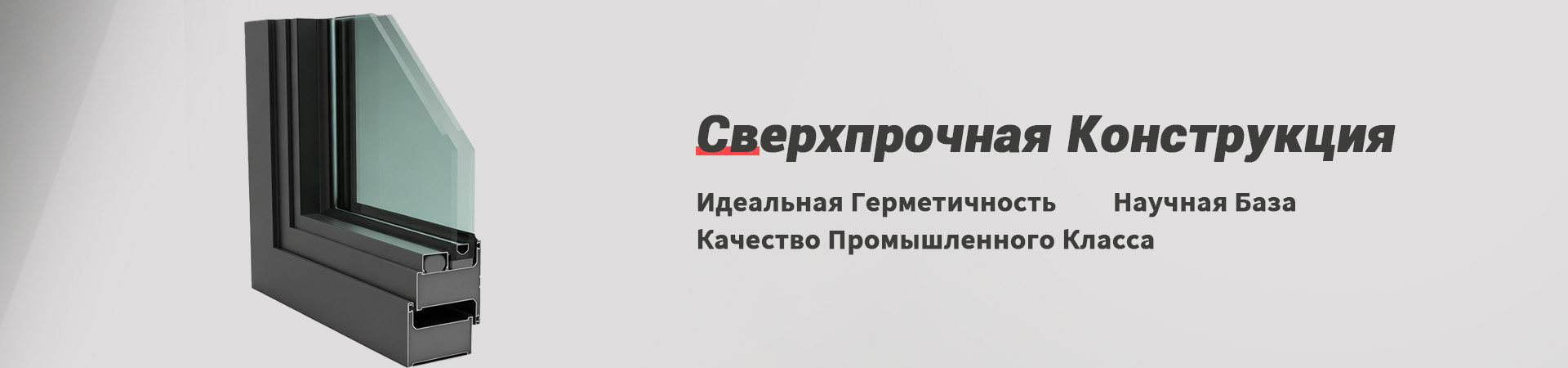
Industrial windows for ventilation systems from the manufacturer
2026-08-18
- Industrial windows for ventilation systems: technical review and selection criteria from the manufacturer
- Design features and classification of industrial ventilation windows
- Materials science: selection of profile and translucent filling
- Where are industrial windows used for ventilation systems: industry specifics
- Main technical characteristics and selection parameters
- How to choose industrial windows for ventilation systems: an algorithm for the buyer
- Typical errors during installation and operation
- Comparison of models: standard vs reinforced vs hygienic
- Production capabilities and expertise of Chongqing Huaxia Windows and Doors LLC
- Logistics, export and production times
- FAQ: Frequently asked questions about industrial ventilation windows
- Conclusion and recommendations for cooperation
Industrial windows for ventilation systems: technical review and selection criteria from the manufacturer
Industrial windows for ventilation systemsThey are specialized engineering structures designed for integration into air ducts, mixing chambers and housings of air handling units (HVAC). Unlike standard glazed facades, these elements serve as technological hatches for visual control, maintenance and emergency access to the internal components of climate control equipment. The key task of such windows is to ensure the tightness of the ventilation circuit while maintaining optical transparency and mechanical strength, capable of withstanding static pressure differences of up to 2000 Pa and temperature loads from -40°C to +120°C.
The use of non-specialized solutions in ventilation shafts leads to depressurization of the system, condensation on internal surfaces and, as a result, to corrosion of metal elements and an increase in energy consumption due to uncontrolled air leaks. Correctly selectedindustrial windows for ventilation systemsallow engineers to visually monitor the condition of filters, heat exchangers and fans without stopping the process, which is critical for continuous production cycles in the pharmaceutical, food industry and microelectronics. Below is a detailed analysis of the designs, materials and logic for selecting these components from the point of view of industrial operation in the conditions of 2026.
Design features and classification of industrial ventilation windows
Engineering practice divides glazed elements of ventilation systems into three main categories, each of which solves specific aerodynamic and service problems. Understanding these differences is fundamental to providing the correct technical specification to the supplier.
1. Visual control windows (Inspection hatches)
The most common type. They are installed in PVU housings and large main air ducts of rectangular cross-section. The main function is a visual assessment of contamination of filter elements (pocket, cassette or HEPA filters) and the operation of recuperators. Structurally, they are a frame made of aluminum profile or stainless steel with glass glued or pressed with a seal. The most important parameter here is the absence of “blind spots” and minimization of aerodynamic drag inside the channel.
2. Service windows with quick access
Combined solutions combining glazing and service doors. Suchindustrial windows for ventilation systemsequipped with rotary or tilting mechanisms with eccentric locks. They allow personnel to replace filters, clean heat exchangers or diagnose engines without the use of additional tools. Tightness in the closed position is ensured by multi-circuit seals made of EPDM or silicone, resistant to aging.
3. Emergency and explosion windows
Specialized designs for hazardous industries (chemical industry, painting booths). Their task is not so much visual control as releasing excess pressure in an emergency. The glass in such windows is often replaced with polycarbonate or multilayer composites, and the fastening is designed to operate at a certain pressure threshold (for example, 50-100 Pa) to prevent destruction of the main ventilation body.
Materials science: selection of profile and translucent filling
The durability of the ventilation system directly depends on the chemical and physical resistance of the materials from which the windows are made. In aggressive environments (high humidity, presence of oils, acidic vapors), a standard PVC profile is not applicable due to low heat resistance and the risk of deformation.
Profile systems
- Aluminum alloys (AD31, 6063):Gold standard for most industrial applications. Lightweight, corrosion resistant and highly rigid. For food production, anodizing or powder coating with certified compounds is required. A thermal break in the profile is required if the window separates zones with different temperatures (for example, a street and a warm workshop) to prevent the formation of cold bridges.
- Stainless steel (AISI 304/316):Used in pharmaceuticals (GMP standards), dairy industry and chemical shops. Steel ensures maximum hygiene: the smooth surface does not accumulate bacteria and can withstand frequent washing with aggressive disinfectants. However, such windows are much heavier and more expensive than their aluminum counterparts.
- Polypropylene and PVC (reinforced):Allowed only in general ventilation systems with an air temperature not exceeding +60°C and the absence of aggressive chemical influences. Often used in the budget segments of the construction of warehouse complexes.
Translucent materials
The choice between glass and polymers determines the safety and service life of the window.
| Parameter | Tempered glass (Triplex) | Monolithic polycarbonate | Plexiglas (PMMA) |
|---|---|---|---|
| Impact resistance | High (safe chipping) | Extremely high (does not break) | Low (fragile) |
| Scratch resistance | Excellent | Low (requires protective film) | Average |
| Temperature range | -60°C … +250°C | -40°C … +120°C | -20°C … +80°C |
| Chemical resistance | High (inert) | Medium (afraid of alkalis) | Low (afraid of solvents) |
| Application | Food industry, Pharmaceuticals | Production with risk of impact | Warehouses, offices |
Engineering Note:When using polycarbonate in systems with high air flow speed (>10 m/s), the risk of abrasive wear of the surface by dust particles must be taken into account. After 3-5 years, such a window may become frosted, which will negate its visual control function. In such cases, it is recommended to use glass with a protective shockproof film.
Where are industrial windows used for ventilation systems: industry specifics
Glazing requirements vary depending on the process. Let's take a look at key sectors where having quality viewing windows is not just a convenience, but a regulatory requirement.
Pharmaceutical industry and clean rooms
In accordance with GMP standards and GOST R ISO 14644, visual monitoring of the condition of HEPA filters and the integrity of air ducts must be carried out regularly without disturbing laminar flows. Here are usedindustrial windows for ventilation systemsmade of stainless steel AISI 316L with tempered glass. The design should be flush with the inner surface of the channel so as not to create turbulence and areas of stagnant air where microorganisms can multiply. Seals should be silicone, neutral and easy to clean.
Food production and catering
High humidity, temperature changes and the need for sanitary treatment dictate their conditions. Windows are installed in pasteurization and drying chambers, as well as in exhaust systems above heating equipment. The key risk is condensation. If a window has a low thermal resistance, it will trap moisture that flows into the ductwork, creating a breeding ground for mold. Solution: use glass with low-emissivity coating or double-glazed windows in a thermal profile.
Chemical and petrochemical industry
Aggressive vapors of acids, alkalis and solvents require inert materials. Aluminum can corrode, so preference is given to special polymer profiles (PVDF) or stainless steel. Glass must withstand chemical burns. Also, this industry often requires non-sparking designs that prevent the accumulation of static electricity on the glass surface (antistatic coatings are used).
Energy and Data Centers (Data Processing Centers)
In server rooms, temperature control and dust control are critical. Windows in air handling units allow operators to visually assess the performance of fine filters. A delay in replacing the filter leads to overheating of the servers. The speed of replacement (service windows with quick locks) and high dust insulation of the circuit are important here.
Main technical characteristics and selection parameters
When ordering or designing a glazing unit, the following parameters must be clearly defined. Errors at this stage lead to air whistling, vibrations and destruction of the fasteners.
- Static pressure:Standard windows are designed for pressure up to 500-700 Pa. For high-pressure systems (high-pressure mains), reinforced structures with glass thickness from 8 mm and additional profile stiffening ribs that can withstand up to 2000-2500 Pa are required.
- Temperature:The maximum and minimum temperature of the transported air is indicated. It is important to remember that short-term peaks (for example, during a fire or heat exchanger failure) may exceed operating values. The sealing material must have a heat resistance margin of +20% of the operating temperature.
- Dimensions:The larger the glazing area, the higher the requirements for profile rigidity. For windows with a width of more than 1000 mm, it is necessary to install intermediate mullions or use double-glazed windows instead of a monolithic sheet to avoid the “lens” effect and deflection under air pressure.
- Tightness (leakage class):According to GOST 30674 and European standards EN 1751, windows must comply with a tightness class of at least B (for general systems) or A (for clean rooms and recovery). This is achieved by using a double sealing circuit.
How to choose industrial windows for ventilation systems: an algorithm for the buyer
The process of selecting a supplier and a specific model should be based on the technical data of the project, and not just on price. The following checklist will help you avoid common mistakes when purchasing.
- Audit of the existing system:Determine the exact fitting dimensions of the niche in the air duct. Measure the thickness of the canal wall. Check the duct material (galvanized, stainless steel, black steel) to select compatible fasteners and prevent electrochemical corrosion.
- Determination of operating conditions:Record the air temperature, the presence of aggressive media, and the required opening frequency. If the window will be opened daily to change filters, the hinge mechanism should be metal, not plastic.
- Selection of glazing type:
- For personnel safety and impact resistance - triplex or polycarbonate.
- For chemical resistance and durability - tempered glass.
- To save money in dry rooms - plexiglass (with the caveat of fragility).
- Documentation check:Ask the manufacturer for product data sheets, certificates of conformity (EAC) and leak test reports. Lack of profile and glass markings is a red flag.
- Logistics and packaging:Glass and polycarbonate are fragile during transportation. Make sure the manufacturer uses wood sheathing and protective corners. A damaged window cannot be installed airtight.
Practical advice from an engineer:Don't skimp on seals. Cheap rubber loses its elasticity after 2-3 years, especially in conditions of ozone (which is produced by electric ventilation motors) and ultraviolet radiation (if the windows face the street). Request a sample of the seal from the supplier and test it to see if it returns to shape after compression. It is better to immediately order a set of spare seals along with a batch of windows.
Typical errors during installation and operation
Even the highest qualityindustrial window for ventilation systemmay cause problems if installed incorrectly. Analysis of service requests reveals three main groups of errors.
1. Violation of geometry during insertion
If the cutout in the duct is skewed, the window frame will not fit tightly. An attempt to “tighten” the structure with self-tapping screws leads to deformation of the profile and the appearance of cracks. The result is air whistling and a drop in ventilation efficiency.Solution:Using a laser level when marking and using mounting studs instead of directly screwing screws into the thin metal of the air duct.
2. Ignoring thermal expansions
When installing PVC or aluminum windows in steel air ducts, it is necessary to take into account the difference in linear expansion coefficients. Rigid fixation without compensation gaps will lead to the profile “moving” when the air heats up, and the glass may burst.Solution:Use of elastic sealants and fasteners with the possibility of micro-play.
3. Improper care of the translucent part
Using abrasive cleaners or stiff-bristled brushes to wash plastic windows (polycarbonate, plexiglass) quickly makes them opaque.Solution:Using only soft sponges and special products for cleaning plastic, or switching to glass fillings in areas with intensive use.
Comparison of models: standard vs reinforced vs hygienic
For clarity, let’s compare three standard window designs offered on the industrial ventilation market.
| Characteristics | Standard (Economy) | Reinforced (Industrial) | Hygienic (Sanitary) |
|---|---|---|---|
| Frame material | Aluminium/PVC | Reinforced aluminum / Steel | Stainless steel AISI 304/316 |
| Filling | Plexiglas 4-5 mm | Tempered glass 6-8 mm | Tempered Triplex glass |
| Max. pressure | up to 500 Pa | up to 2000 Pa | up to 1500 Pa |
| Sealant | EPDM (1 circuit) | EPDM / Silicone (2 circuits) | Food grade silicone (2-3 circuits) |
| Cost | Low | Average | High |
| Service life | 3-5 years | 10-15 years | 15+ years |
Recommendation:For warehouses and garages, the standard design is sufficient. For production halls with constant air pressure, choose the reinforced version. For pharma, food industry and hospitals - exclusively hygienic design made of stainless steel.
Production capabilities and expertise of Chongqing Huaxia Windows and Doors LLC
Choosing a reliable partner to supply complex engineering solutions is as important as choosing the materials themselves. In a market where requirements for tightness and strength are constantly increasing, the company stands outChongqing Huaxia Windows and Doors Co., Ltd.is a Russian legal entity operating within the framework of a strategic association with the large industrial holding Chongqing Huaxia Steel Structures.
Based in one of the key industrial centers of China (Chongqing) and having a representative office in the Russian Federation, the company implements a unique dual business model that combines competencies in the field of energy-efficient building envelopes and heavy engineering. This symbiosis allows technologies developed for extreme industrial conditions to be used in the production of ventilation components.
Key benefits of the Chongqing Huaxia approach in the context of industrial windows:
- Integration of heavy engineering:With a manufacturing facility certified for the production of critical metal products (valve manifolds, engine bases, stainless piping), the company provides the highest precision in welding and frame assembly. This is critical for windows operating under high static pressure.
- Specialization in extreme conditions:The company's products are initially focused on operation in harsh climates and aggressive environments. The thermal break and multi-circuit seal technologies used guarantee the preservation of tightness under temperature changes from -40°C to +120°C, which completely meets the needs of the most demanding ventilation systems.
- Full cycle of quality control:Strict incoming inspection of raw materials, operational monitoring and output inspection of finished products meet the national standards of the People's Republic of China and the requirements of international projects. This minimizes the risk of receiving defective lots.
- Flexibility and speed:The combined production facilities allow us to quickly adapt to urgent orders and import substitution projects, ensuring stable delivery times to the markets of the CIS, the Middle East and Eastern Europe.
This approach makes Chongqing Huaxia Windows and Doors LLC the preferred partner for projects where the reliability of ventilation glazing directly affects the safety and continuity of the production process.
Logistics, export and production times
Industrial component supply chains have stabilized in 2026, but lead times for custom products remain an important planning factor. The average production time for a batch of industrial windows is 10-14 working days from the date of approval of the drawings. Urgent orders are possible in 3-5 days with an extra charge of up to 30%.
When exporting or interregional deliveries, packaging plays a key role. Each window must be individually packaged in stretch film and cardboard corners. Large items (more than 1.5 m²) must be packed in wooden boxes. The weight of a glass structure significantly exceeds the weight of its polycarbonate counterparts, which affects the cost of logistics. When calculating the project budget, factor in transportation costs based on the weight of 15-20 kg/m² for glass structures and 3-5 kg/m² for polymer ones.
FAQ: Frequently asked questions about industrial ventilation windows
Q: Can I replace broken glass in an industrial window myself?
A: Technically possible if the frame design is dismountable (with screws or latches). However, breaking the factory seal is highly undesirable. We recommend ordering a glass replacement service from the manufacturer or using modular designs, where the entire glass unit is replaced along with the frame. Self-gluing glass onto silicone is permissible only in emergency situations and does not guarantee restoration of the tightness class.
Q: How to deal with window fogging in winter?
A: Fogging indicates that the temperature of the inside surface of the glass is below the dew point of the air in the room or duct. Solutions: 1) Installation of double-glazed windows instead of monolithic glass. 2) Use of glass with low-emissivity i-coating. 3) Organization of local blowing of glass with warm air (rarely, but used in critical units). 4) Checking the humidity in the room - the air handling unit may need to be adjusted.
Q: Are regular PVC windows suitable for ventilation?
Oh no. Domestic PVC windows are not designed for constant one-way air pressure, vibration from fans and specific seals for round or rectangular metal air ducts. Their use will lead to rapid failure of the fittings and loss of tightness.
Q: What is the service life of seals in industrial windows?
A: With proper use and the absence of aggressive chemical influences, high-quality EPDM seals last 7-10 years, and silicone seals - up to 15 years. It is recommended to include a visual inspection of seals in the preventive maintenance (PPR) schedule once a year.
Q: Does the size of the window affect the sound insulation of the ventilation system?
A: Yes. Large glazing acts as a membrane and can increase vibration noise from the fan. To reduce noise, you should use thick glass (from 6 mm), triplex, or provide for vibration decoupling of the window frame from the air duct body through damper pads.
Conclusion and recommendations for cooperation
Integration of qualityindustrial windows for ventilation systemsis an investment in the operational efficiency of the enterprise. Properly selected glazing elements reduce equipment downtime during maintenance, increase personnel safety, and ensure compliance with stringent industry standards. The 2026 market offers a wide range of solutions: from budget polymer hatches to high-tech hygienic stainless steel systems.
Key takeaway: Don't treat a window as an isolated element. It is part of the aerodynamic contour. Its characteristics must correspond to the parameters of the entire ventilation installation. A mistake in choosing a material or type of fastening can cost more than saving on the initial purchase.
We, as a manufacturer, are ready to provide engineering calculations of glazing units for your specific tasks, develop non-standard solutions for complex geometric shapes of air ducts and ensure delivery of products with a full package of permits.
Do you need advice on choosing industrial windows?
Our engineers will help you choose the optimal profile and glass configuration for your pressure and temperature conditions.
→Receive a technical catalog and cost estimate
→Contact Industrial Sales


