



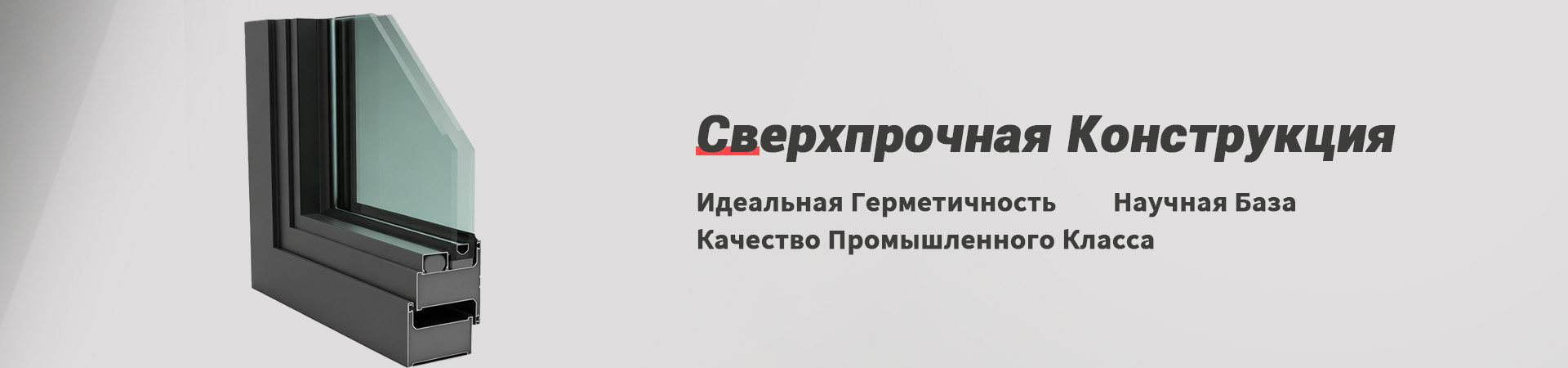
Industrial windows for greenhouses: buy from the manufacturer
2026-08-16
- Industrial windows for greenhouses: technical solutions from the manufacturer
- Classification and design features of industrial windows
- Where are industrial windows for greenhouses used: industry specifics
- Technical characteristics: what engineers pay attention to
- How to choose industrial windows for greenhouses: selection algorithm
- Comparison of materials: Glass vs Polycarbonate vs Film
- What affects the cost of industrial windows
- Typical mistakes during selection and installation
- Logistics, installation and service
- FAQ: Frequently asked questions about industrial windows
- Purchase recommendations: checklist for the buyer
- Why is it worth buying industrial windows from a manufacturer?
- Conclusion and call to action
Industrial windows for greenhouses: technical solutions from the manufacturer
Industrial windows for greenhousesare specialized translucent structures designed to provide a controlled microclimate in agricultural complexes. Unlike household analogues, they are designed for extreme wind loads (up to 35 m/s), high humidity (up to 95%) and the aggressive effects of chemical fertilizers. The main function of such systems is not just lighting, but precise regulation of temperature, humidity and CO2 through automated ventilation.
For large greenhouses, the choice of glazing or polycarbonate blocks directly affects the energy efficiency of the facility. An error in calculating heat loss or profile strength can lead to the destruction of load-bearing structures during snowfall or critical overheating of plants in the summer. We produceindustrial windows for greenhousestaking into account the requirements of GOST and international EAC standards, ensuring the tightness of the seams and the durability of the seals with a service life of 25 years. Below is a detailed technical analysis of the parameters that affect the cost and efficiency of these systems.
Classification and design features of industrial windows
In modern agribusiness, the concept of “window” has been transformed from a simple lighting element into a complex engineering unit for climate control. When designing greenhouses with an area of 1 hectare or more, three main types of opening are used, each of which solves specific problems of indoor aerodynamics.
1. Transoms (Ventilation Flaps)
The most common type for pitched roofs. Transoms are small sections that open outward or inward at an angle of 45–70 degrees. Their key advantage is the ability to create a directed air flow without drafts, which are dangerous for seedlings. Modern models are equipped with electric drives with rain and wind sensors.
2. Sliding Systems
They are used mainly in Dutch types of greenhouses (Venlo). Allows you to open up to 60% of the roof area. This ensures maximum air exchange during hot periods. The mechanism requires high precision in the manufacture of guides, since a misalignment of even 2 mm can lead to jamming of sashes more than 4 meters long.
3. Roller blinds and side ventilation
Although they are not technically windows in the classical sense, they serve the same function. Side windows are often made in the form of rising sections of polycarbonate. They are effective in removing heavy, moist air that accumulates near the ground, which is critical for preventing fungal diseases.
The filling material also varies. If glass dominated in the 2010s, by 2026 the market has shifted towards multilayer cellular polycarbonate and ETFE film. Polycarbonate is 15 times lighter than glass, which reduces the load on the aluminum profile and foundation, while maintaining light transmission at 88–92%.
Where are industrial windows for greenhouses used: industry specifics
The choice of glazing configuration is strictly tied to the crop being grown. There are no universal solutions, since the requirements for the microclimate of tomatoes and orchids are diametrically opposed.
- Vegetable growing (tomatoes, cucumbers, peppers):Intensive ventilation is required to reduce humidity below 80%. Large transoms are used with an opening area of at least 20% of the total roof area. It is important to have mosquito nets to prevent pests from entering.
- Floriculture and ornamental plants:Protection from direct sunlight and UV radiation is critical. Windows with diffuse light dispersion or combined systems with external shading are used. The temperature should be stable, without sudden changes.
- Seedling complexes:Biological safety is important here. Windows must provide a complete seal when closed to maintain positive pressure and filter incoming air.
- Vertical hydroponic farms:Often located in hangar buildings. Ribbon windows along the roof ridge are used for natural draft (“pipe effect”), which allows saving up to 40% of energy on the operation of exhaust fans.
Engineering practice shows that incorrect selection of the opening type for a specific crop increases the cost of climate control equipment by 25–30%. For example, installing sliding windows in a lettuce greenhouse can create excessive air flow, causing leaf edges to burn and causing loss of marketability.
Technical characteristics: what engineers pay attention to
When purchasingindustrial windows for greenhousesThe technical control department evaluates not the appearance, but the physical parameters of materials and components. Let's look at the key metrics that determine product quality.
| Parameter | Standard value | Premium / Arctic version | Impact on Operation |
|---|---|---|---|
| Heat transfer coefficient (U-value) | 2.8 – 3.5 W/(m²°C) | 1.6 – 2.0 W/(m²°C) | Reduce heating costs in winter by up to 35% |
| Light transmittance (Lt) | 80 – 88% | 90 – 94% (with anti-condensation coating) | Increase photosynthesis and yield by 10-15% |
| Wind load | Up to 24 m/s (II snow region) | Up to 35-40 m/s (coastal zones) | Structural integrity during storms |
| Snow load | 180 kg/m² | 240-300 kg/m² | Preventing roof collapse |
| Tightness (class) | Class 2 | Class 4 (according to EN 12207) | No condensation or blowing |
| Profile material | Aluminum AD31T1 | Aluminum with thermal break + stainless steel AISI 304 | Corrosion resistance in fertilizer environment |
Particular attention should be paid to the sealing system. In industrial greenhouses, it is not ordinary rubber that is used, but EPDM (ethylene-propylene rubber) or silicone. Ordinary rubber loses its elasticity at a temperature of -20°C and is destroyed by the influence of sulfur used for disinfecting premises. The service life of high-quality EPDM is at least 15 years, while cheap analogues require replacement every 3-4 seasons.
How to choose industrial windows for greenhouses: selection algorithm
The selection process should not begin with price, but with an audit of the existing or proposed structure. Mistakes at this stage are costly. Follow the step-by-step algorithm that our engineers use during consultations.
Step 1. Climate zone analysis
Determine the maximum wind and snow loads for your region according to SP 20.13330.2016. For the southern regions (Krasnodar Territory, Crimea), the priority is protection from overheating and UV stability of polycarbonate. For northern regions (Ural, Siberia) - thermal insulation and the ability of the profile to withstand the weight of wet snow.
Step 2. Calculation of ventilation area
The golden rule of agricultural engineering is that the area of opening windows should be 15–25% of the greenhouse floor area. A smaller area will not provide sufficient air exchange in the heat, while a larger area will lead to excessive heat loss in winter. For crops with high transpiration (for example, roses), the coefficient can reach 30%.
Step 3: Select a drive system
Manual opening is only permissible for small private greenhouses (up to 100 m²). Automation is required on an industrial scale.
- Chain drives:Reliable, suitable for heavy glass windows. Requires maintenance (chain lubrication) once a season.
- Spindle drives:Quiet, compact, ideal for polycarbonate. Less resistant to lateral wind loads.
- Hydraulic systems:Used for very large surfaces. High cost, but maximum smoothness.
Step 4. Integration with climate control system
Modernindustrial windows for greenhousesmust have an interface for connecting to controllers (for example, Priva, Hoogendoorn or domestic analogues). This allows the windows to close automatically when rain or strong winds begin, protecting crops and the structure.
Comparison of materials: Glass vs Polycarbonate vs Film
The table below provides an objective comparison of infill materials for industrial windows. The data is relevant for operating conditions in the Russian Federation and CIS countries as of 2026.
| Criterion | Tempered glass (4-6mm) | Double film with blowing | |
|---|---|---|---|
| Material cost | High | Average | Low |
| Weight (kg/m²) | 10 – 15 | 1.5 – 2.5 | 0.3 – 0.5 |
| Light transmittance | 90-92% (reduces over time due to dirt) | 82-88% (stable) | 85-90% (requires frequent replacement) |
| Thermal insulation | Low (requires energy shield) | High (air chambers) | Medium (depends on air pressure) |
| Security | High (triplex/hardened), but there is a risk of splinters | High (does not break) | Low (risk of rupture) |
| Service life | 25+ years | 10-15 years (until cloudiness) | 3-5 years |
| Service | Washing, checking accessories | Blowing honeycombs from condensate | Film replacement, compressor repair |
Engineering opinion:For new industrial facilities, we recommend using 16mm thick polycarbonate with UV protection on both sides. It provides the optimal balance between cost, weight and thermal insulation. It is advisable to use glass only in regions with high insolation, where maximum light flow is important, and where the budget allows for the installation of a powerful heating system to compensate for heat loss.
What affects the cost of industrial windows
Priceindustrial windows for greenhousesis formed not only from the cost of materials. In the B2B sector, it is important to understand the cost structure to avoid hidden fees.
- Profile complexity:Aluminum profiles with a thermal break (thermal insulating insert inside the metal) cost 30-40% more than cold aluminum, but they prevent the formation of cold bridges and condensation that drips onto the plants.
- Accessories and drives:High-quality European or Russian drives with a 5-year warranty account for up to 50% of the cost of a window unit. Cheap Chinese analogues often fail in the first year of active use.
- Window geometry:Non-standard shapes (triangular, arched) require individual settings of CNC machines, which increases the cost of production. Rectangular standard modules are the most economical.
- Batch size:When ordering from 500 m², the manufacturer can optimize the cutting of aluminum and polycarbonate, reducing waste to 5% instead of the standard 15%, which gives a discount to the client.
- Logistics:Transportation of long structures (more than 6 meters) requires special transport. Localizing production near the construction site can save up to 15% of the budget.
You should not chase the lowest price per square meter. Often, cost reduction is achieved by reducing the wall thickness of the aluminum profile (from 1.5 mm to 1.0 mm). Visually this is not noticeable, but after 3 years such windows will suffer from temperature expansion, and they will no longer close hermetically.
Typical mistakes during selection and installation
An analysis of complaints over the past 5 years has revealed recurring problems faced by agricultural holdings.
Mistake #1: Ignoring thermal expansions.
Polycarbonate and aluminum have different coefficients of linear expansion. If during installation you do not leave technological gaps (3-5 mm per meter of length), then in winter the material will shrink and come out of the grooves, and in summer it will expand and create excess pressure, breaking the fasteners. We use special sliding fasteners that compensate for these movements.
Mistake #2: Saving on seals.
The use of universal rubber seals instead of specialized EPDM seals leads to their “tanning” in the cold. The result is drafts and a drop in temperature in the greenhouse by 3-5 degrees, which is critical for heat-loving crops.
Mistake #3: Incorrect orientation of polycarbonate.
Polycarbonate sheets have a UV protective layer on one side only. Installation of the sheet with the “wrong side” facing the sun leads to degradation of the material and its fragility after just 2 seasons. On our products, the protective film is clearly marked “UV SIDE”.
Mistake #4: Lack of drive maintenance.
Electric drives require yearly inspection of driving force and lubrication of moving parts. Ignoring this rule leads to engine combustion during peak loads (summer).
Logistics, installation and service
Purchaseindustrial windows for greenhouses- this is only half the battle. The quality of installation determines 50% of the success of operation.
Delivery and installation stages
- Design:Our engineers create a 3D model of the greenhouse taking into account the location of windows to avoid shadow areas from load-bearing structures.
- Production:Production takes from 14 to 30 days depending on volume. All parts are marked to facilitate on-site assembly.
- Delivery:We use our own fleet of vehicles and partner logistics companies. The packaging protects corners and surfaces from damage during transportation.
- Installation:Carried out by certified teams. The average installation rate is 50-70 m² of window structures per day by one team.
- Commissioning:Adjustment of final positions of drives, calibration of rain and wind sensors, training of customer personnel.
Service support
We offer post-warranty service. As part of the contract, we provide seasonal training: cleaning drains, checking leaks, and lubricating mechanisms. This extends the service life of the system by 5-7 years.
FAQ: Frequently asked questions about industrial windows
Q: What is the service life of polycarbonate industrial windows?
A: When using a high-quality profile and polycarbonate with co-extrusion of the UV layer, the service life is 10-15 years. Aluminum construction lasts 25+ years. Replacing polycarbonate is possible without dismantling the entire window.
Q: Can windows be installed on an existing greenhouse?
A: Yes, we carry out reconstruction and modernization of old greenhouses. However, it is necessary to carry out an examination of the load-bearing capacity of the existing frame, since adding windows may change the distribution of loads.
Q: Do windows withstand hail?
A: Polycarbonate with a thickness of 16 mm can withstand the impact of hailstones with a diameter of up to 20-25 mm without penetration. For regions with frequent hail storms, it is recommended to install protective nets or use reinforced sheets.
Q: How are windows managed in winter?
A: In winter, windows are opened to a minimum angle (microventilation) to remove excess humidity and supply CO2, preventing a sharp drop in temperature. Automation controls this process, focusing on the readings of hygrometers and thermometers.
Q: Are there discounts for bulk orders?
A: Yes, special project prices apply for orders over 1000 m². We also provide discounts for repeat customers and partners.
Purchase recommendations: checklist for the buyer
Before signing a supply agreementindustrial windows for greenhouses, make sure you check the following points:
- Request GOST certificates of conformity and tests for light transmission and impact resistance.
- Specify the grade of aluminum and the thickness of the profile wall (at least 1.2-1.5 mm for load-bearing elements).
- Check for warranty on drives and electronics (minimum 2 years).
- Ask for a reference list with contacts of existing clients in your region.
- Make sure that the contract specifies delivery dates and penalties for violating them.
- Check whether design work and installation supervision are included in the price.
Remember that industrial windows are an investment in productivity. Savings on quality here are directly proportional to the risks of product loss.
Why is it worth buying industrial windows from a manufacturer?
Working directly with the manufacturer provides a number of undeniable advantages over intermediaries. In particular, Chongqing Huaxia Windows and Doors LLC is a Russian legal entity operating within the framework of a strategic association with a manufacturer of heavy metal structures based in one of the key industrial centers of China. The company implements a unique business model that combines competencies in the field of energy-efficient building envelopes and heavy engineering.
This industrial integration allows us to offer solutions that have been proven in extreme conditions: from polar climates to harsh industrial environments. Our core range includes energy-efficient window and door systems (including cast-in-insulation and thermal break steel windows) designed using advanced multi-loop sealing technology. This provides high wind protection and tightness, critical for greenhouse complexes.
Advantages of cooperation with us:
- Price without extra charges:Direct deliveries from our own manufacturing sites exclude dealer commissions.
- Custom engineering:Thanks to a flexible production system, we produce windows of non-standard sizes and shapes for a specific project, and are not limited to a warehouse program.
- Quality control:Strict control at all stages - from incoming inspection of raw materials to final inspection of finished products - guarantees the ideal geometry of products. The enterprises are certified in accordance with national standards of the People's Republic of China and international requirements.
- Operational technical support:Direct communication with engineers allows you to quickly resolve any issues regarding installation and operation, and the geography of supplies covers the CIS countries, the Middle East and Eastern Europe.
- Flexibility of conditions:Possibility of phased shipment and payment for large projects, as well as participation in projects for import substitution of components.
We understand the specifics of agribusiness: seasons don’t wait, and a simple greenhouse is unacceptable. Therefore, we comply with delivery deadlines down to the day, ensuring stability even with high order volumes.
Conclusion and call to action
Carefully selected and installedindustrial windows for greenhousesis the foundation for a stable harvest and profitability of your agricultural enterprise. They provide plants with an ideal climate, reduce energy costs and minimize the risk of losses from weather anomalies. Don't let outdated or poor quality designs hold your business back.
Are you ready to modernize your greenhouse or are you building a new complex? Get a free consultation from our engineers. We will carry out calculations, prepare a commercial proposal and help you choose the optimal solution for your budget and objectives.
Contact us today:
- Upload technical specifications or drawings on the website.
- Call our sales department for an express quote.
- Order a specialist visit to the site for measurements.
Entrust the climate in your greenhouses to professionals.View the catalog of industrial windows and solutionsfor your business.


