



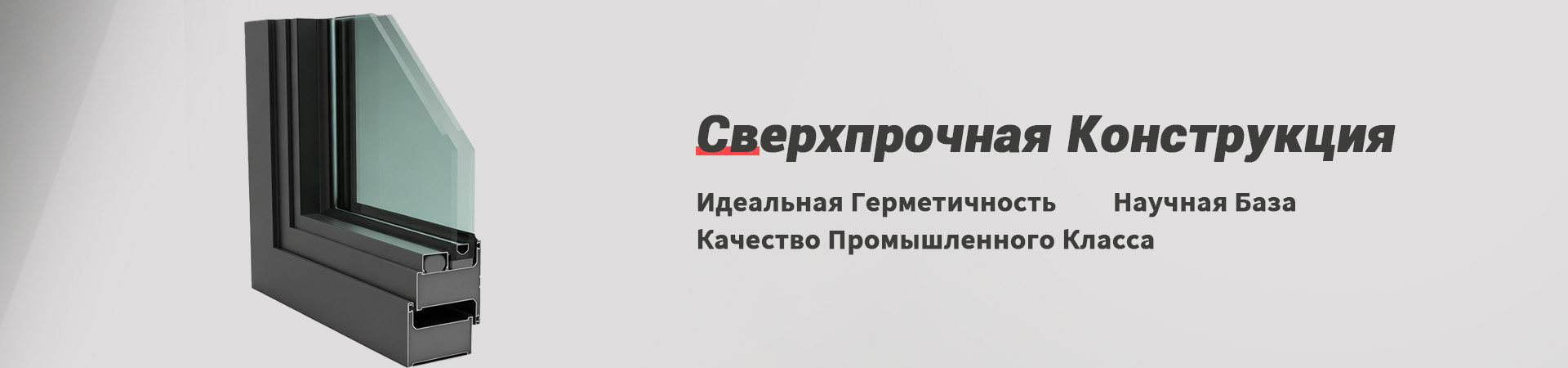
Fireproof windows for industrial facilities: custom production
2026-08-14
- Fireproof windows for industrial facilities: standards, designs and selection criteria in 2026
- Regulatory framework and classification of fire resistance of industrial windows
- Design features and materials: from profile to filling
- Where fireproof windows are used for industrial facilities: industry specifics
- How to Choose a Vendor and Configuration: Step-by-Step Guide
- Technology comparison: which is best for your business?
- Typical mistakes during procurement and operation
- Pricing and cost factors in 2026
- FAQ: Frequently asked questions
- Conclusion and recommendations for further actions
Fireproof windows for industrial facilities: standards, designs and selection criteria in 2026
Fireproof windows for industrial facilitiesare specialized translucent structures designed to prevent the spread of fire, smoke and high-temperature gases between building compartments for a specified period of time. Unlike household analogues, these systems are integrated into the load-bearing walls of workshops, warehouses of categories B1-B4 and logistics terminals, ensuring the safety of evacuation routes and critical equipment. The key value of such solutions lies not only in meeting the requirements of Federal Law No. 123-FZ “Technical Regulations on Fire Safety Requirements”, but also in minimizing financial losses from production downtime after an incident.
Modern industrial solutions are based on the use of laminated fire-resistant glass (class EI 30–EI 90) and reinforced aluminum or steel profiles with thermal break. Applicationfireproof windows for industrial facilitiesallows you to localize the source of fire, maintaining the integrity of the building structure and preventing the “blast furnace” effect, when thermal shock destroys conventional double-glazed windows in a matter of seconds. It is important for engineers and purchasers to understand that the choice of a specific model depends on the type of fire load, glazing area and the required fire resistance limit, which is confirmed by test reports from accredited laboratories.
Regulatory framework and classification of fire resistance of industrial windows
The design and installation of translucent structures at industrial enterprises are strictly regulated by the codes of practice SP 1.13130.2020 and SP 2.13130.2020. The main mistake in selection is the confusion between the concepts of “fire barrier” and “translucent filling”. The window is not an independent barrier; it works in a system with a fire wall or partition. The fire resistance limit of a structure is indicated by the REI or EIW marking, where each letter is critical to the safety of the facility:
- R (Loss of load-bearing capacity)- loss of bearing capacity. Relevant for windows built into load-bearing half-timbered columns or frame walls of heavy workshops.
- E (Loss of integrity)- loss of integrity. The appearance of through cracks or holes through which flames and combustion products penetrate.
- I (Loss of thermal insulation)- loss of thermal insulation ability. An increase in temperature on an unheated surface by more than 140°C (average value) or 180°C (at any point). This is a critical parameter for warehouses containing flammable materials.
- W (Radiation heat flux density)— heat flux density. An important indicator for large areas of glazing, where even without glass destruction, thermal radiation can ignite materials on the other side.
In 2026, the market requires strict matching of fire resistance classes to specific risk areas. For example, for office extensions to production workshops, class EI 30 (30 minutes of resistance) is often sufficient, while for partitions between fuel and lubricant warehouses and the main premises, class EI 60 or EI 90 is required. The use of structures with class EIW 60 allows reducing the requirements for active fire extinguishing systems in adjacent areas, which provides significant savings at the stage of designing utility networks.
Table 1. Correspondence of fire resistance classes to types of industrial premises
| Room type / Zone | Required fire resistance class | Allowable glazing area (%) | Special requirements |
|---|---|---|---|
| Administrative and utility extensions to the workshops | EI 30 | Up to 25% of wall area | Availability of smoke-tight seals |
| Warehouse areas of categories B2-B3 | EI 45 – EI 60 | Up to 15% of wall area | Tempered fireproof glass, reinforcement |
| Storage areas for flammable liquids and flammable liquids (category A-B) | EI 90 – REI 90 | Strictly according to the project (usually <10%) | Steel profile, water spray or gel filling |
| Evacuation corridors and halls | EI 30 – EI 60 | Unlimited (subject to W-parameter) | Impact resistance, anti-vandal design |
It is important to note that the percentage of glazing in fire barriers is standardized. Exceeding the permissible area of translucent structures requires compensation by increasing the fire resistance limit of the wall itself or installing additional sprinkler curtains. Engineers are often faced with a situation where the architectural desire for “more light” conflicts with fire safety standards. In such cases, the solution is to use modular systems with a reinforced impost profile, allowing for large areas while maintaining the EI 60 class.
Design features and materials: from profile to filling
Reliabilityfireproof windows for industrial facilitiesis determined by the synergy of three components: the profile system, fire-resistant glass and fittings. Each element undergoes individual testing, but certification is only issued for the finished assembly. Replacement of a component without re-testing will void the certificate of conformity.
Profile systems: aluminum versus steel
In the industrial segment, two types of profiles dominate. Aluminum thermal break systems are popular due to their lightweight and corrosion resistance. Special fire-resistant liners (often based on vermiculite or calcium silicate) are installed inside the profile, which swell when heated, creating a barrier to heat transfer. However, aluminum has a low melting point (~660°C), so such structures rarely exceed the EI 60 fire resistance limit without additional external shielding.
Steel extrusions, especially stainless steel or powder-coated structural steel, provide REI grades of 90 and above. Steel retains mechanical strength at high temperatures longer, but requires high-quality anti-corrosion protection, especially in chemical shops. In 2026, there is a trend towards hybrid solutions: a steel supporting frame with aluminum overlays for aesthetics and ease of installation of double-glazed windows.
It is in the segment of complex steel structures that the company’s experience stands outChongqing Huaxia Windows and Doors Co., Ltd.. As part of a strategic alliance with a manufacturer of heavy metal structures, the company is implementing a unique approach to the creation of enclosing systems. Their commercial steel windows (60, 75, 120 Series) and 50 Series poured insulation solutions are designed to withstand extreme conditions. Thanks to the integration of competencies in the field of heavy engineering and building structures, Chongqing Huaxia provides a full cycle of metal quality control - from cutting to final assembly. This is especially important for industrial facilities in regions with harsh climates or aggressive environments, where standard aluminum systems may not cope with thermal deformation and corrosive loads.
Fireproof glass: technologies and limitations
The heart of any fire window is the glass unit. There are two main technologies used in industry:
- Gel filled blocks (Intumescent gel).A multilayer structure, where between sheets of regular or tempered glass there are layers of transparent gel. When heated, the gel becomes cloudy, swells and turns into solid insulating foam, blocking the transfer of thermal energy.
- Benefits:High thermal insulation (class I), transparency in normal mode.
- Disadvantages:Heavy weight (up to 60-80 kg/m²), sensitivity to UV radiation (requires protective coatings), risk of delamination during prolonged use in the sun.
- Monolithic laminated glass (Laminated fire-resistant glass).Special films that expand when heated and create an opaque barrier.
- Benefits:Lighter weight, weather resistant.
- Disadvantages:Often they provide only integrity (E), but not insulation (I). Requires verification for EI certification.
Engineering nuance: when ordering, you must specify the orientation of the glass. Some types of fire-resistant glass only work effectively when exposed to fire from a specific direction (for example, from the side of a potential fire). Installation “mirror” can lead to instant destruction of the structure in a fire.
Fittings and seals
Regular rubber seals burn out in 2-3 minutes, opening the way for smoke. Fire windows use intumescent strips, which at a temperature of +120...+150°C increase in volume by 10-20 times, sealing the gaps between the sash and the frame. Fittings (hinges, locks) must be made of refractory alloys and be tested to support the weight of the structure under conditions of high-temperature deformation of the profile.
Where fireproof windows are used for industrial facilities: industry specifics
Applications for specialty glazing vary by industry. There are no universal solutions: conditions in the food industry are radically different from those in metallurgy. Let's look at key implementation scenarios.
Logistics complexes and warehouses of class A
Modern warehouses are characterized by high ceilings (12-18 meters) and dense storage of goods. The main threat here is the rapid spread of smoke under the ceiling.Fireproof windows for industrial facilitiesin this sector, they are most often installed in partitions separating goods receipt areas from storage areas, as well as in office blocks inside the warehouse (“glass cubes”).
Practical case:At an electronics warehouse in the Moscow region, the installation of EI 60 windows in the administrative area made it possible to avoid installing an additional gas fire extinguishing system in the office, since the window provided the necessary protection from smoke. Savings amounted to about 1.5 million rubles on equipment and installation.
Chemical and petrochemical industry
Here, the critical factor is not only fire, but also the chemical aggressiveness of the environment, as well as the risk of explosion. Windows must have not only a high fire resistance rating (REI 90), but also explosion-proof certification. AISI 316L stainless steel profiles and laminated glass with increased impact resistance are standard.
Engineering limitation:In blast-prone areas, regular fire windows can become a source of secondary fragments. It requires the use of armored fire-retardant glass or the installation of protective grilles on the outside, which reduces light transmission but saves lives.
Food production and pharmaceuticals
Specifics: strict sanitary standards (HACCP, GMP). The structures should be smooth, without hidden cavities where bacteria can accumulate. Aluminum profiles with polymer coating and sealed double-glazed windows are ideal. Fire resistance here is usually EI 30-EI 45, since the fire load is lower than in warehouses. Resistance to frequent washing with aggressive disinfectants is important.
How to Choose a Vendor and Configuration: Step-by-Step Guide
Choicefireproof windows for industrial facilities- this is not buying a product from a warehouse, but ordering an engineering product. An error at the specification stage can lead to a refusal by the Ministry of Emergency Situations to accept the object or problems with the insurance company after the incident. Follow this algorithm:
Step 1. Audit of project documentation
Extract the exact requirements from the Fire Safety section of the building design:
- Required fire resistance limit (eg EI 60).
- Geometric dimensions of openings.
- The type of wall in which the window is mounted (brick, concrete, sandwich panel).
If the project is missing or outdated, an examination of the fire load of the premises is necessary.
Step 2: Verify Certification and Manufacturing Capability
Request from the manufacturer a copy of the Certificate of Conformity TR EAEU 043/2017 “On requirements for fire safety and fire extinguishing means.”
Attention:Check whether the certificate applies to the exact profile and glass combination you are ordering. If a manufacturer proposes to “reinforce” a standard system with glass from another brand, this requires a separate test report. The absence of a reference to a specific model in the certificate is a red flag.
Also evaluate the supplier's production base. Companies such asChongqing Huaxia Windows and Doors Co., Ltd., demonstrate an advantage due to vertical integration: the presence of its own facilities for metal processing and quality control at all stages (incoming control of raw materials, operational control, output control) guarantees the stability of product characteristics even with large volumes of orders. The ability of the manufacturer to adapt to specific requirements (for example, enhanced anti-corrosion protection for chemical shops) is an important criterion for reliability.
Step 3: Technical Proposal Evaluation
Compare offers based on the following parameters:
- Structure weight:Heavy gel blocks require reinforced foundations or window sills.
- Light transmission:Fire-resistant glass often has a slight yellowish or greenish tint. Check light transmittance (LT) if illumination is important.
- Leak tightness guarantee:For gel glasses the warranty is usually 5-10 years. After this period, it may be necessary to replace the blocks due to the risk of drying out the gel.
Step 4. Logistics and installation
Industrial windows are large. Make sure that the supplier provides installation supervision service. Installation must be carried out by certified professionals using fire-resistant foam and sealants. Conventional polyurethane foam burns out and releases toxic substances, compromising the integrity of the barrier.
Technology comparison: which is best for your business?
To simplify decision-making, we provide a comparative analysis of the two most popular types of structures in the industrial sector in 2026.
| Parameter | Aluminum gel filled system | Steel system with laminated silicate glass |
|---|---|---|
| Fire resistance limit | EI 30, EI 45, EI 60 (less often EI 90) | EI 60, EI 90, REI 120 |
| Weight sq. meters | High (50-80 kg/m²) | Medium/High (40-70 kg/m² + steel weight) |
| Corrosion resistance | High (ideal for wet workshops) | Requires high-quality coating (risk of rust) |
| Cost | Medium/High | High/Premium |
| Durability of gel/layers | 10-15 years (UV sensitivity) | 20+ years (more stable structure) |
| Recommended Application | Offices, food shops, light partitions | Heavy industry, fuel warehouses, facades |
Expert recommendation:If your facility is located in an area with high solar activity (southern regions of the Russian Federation) or in the far north, give preference to new generation steel systems. Products from market leaders such as Chongqing Huaxia are developed using advanced thermal break technologies and multi-circuit seals, which provide high wind protection and heat resistance over a wide temperature range. Gel blocks in extreme climatic conditions require mandatory tinting or the application of a UV filter, which increases the cost of the project and reduces its durability.
Typical mistakes during procurement and operation
Failure analysis from regulatory inspections reveals recurring problems. Avoid them so as not to redo the work at your own expense.
- Ignoring thermal expansions.Industrial workshops may not be heated in winter or become very hot in summer. Rigid fixation of a window without compensation gaps leads to cracking of the glass during thermal deformations of the building. Use elastic sealants and movable fasteners.
- Incompatibility of materials.The use of conventional screws or ferrous metal fasteners without protection in contact with an aluminum profile causes electrochemical corrosion. Use only stainless steel fasteners (A2/A4).
- Violation of the tightness of the junctions.Gaps between the window frame and the wall of more than 10 mm cannot be filled simply with a large amount of foam. Additional compensating profiles or metal cladding are required.
- Lack of markings.Each serial fire window must be indelibly marked indicating the fire resistance class, production date and certificate number. Its absence is the basis for recognizing the design as non-compliant with the design.
Pricing and cost factors in 2026
Costfireproof windows for industrial facilitiesis formed individually. The base price per square meter starts from 45,000 rubles for simple EI 30 structures and can reach 120,000 rubles and higher for complex REI 90 systems with non-standard geometry.
What affects the final estimate:
- Size and Shape:Non-standard shapes (round, triangular, arched) require individual profile bending and glass cutting, which increases the cost by 30-50%.
- Opening type:Solid structures are cheaper. Tilt-and-turn or sliding mechanisms with fire-resistant fittings are much more expensive.
- Installation complexity:Work at height, the need for climbing services or special equipment to lift heavy blocks.
- Logistics:Delivery of fragile, large-sized cargo requires specialized transport and insurance.
Purchasing tip: Request a quote broken down by materials and installation. This will allow you to understand where the budget can be optimized, for example by choosing an alternative glass supplier for the same profile, if the certificate allows it. When working with international suppliers such as Chongqing Huaxia Windows and Doors LLC, it is important to consider their experience in logistics to the CIS and Eastern Europe, as well as their ability to quickly respond to urgent requests through a flexible production system.
FAQ: Frequently asked questions
Q: Is it possible to install fireproof windows for industrial facilities in an already used building?
A: Yes, this is possible as part of reconstruction or redevelopment. However, the development of a new fire safety project and approval of changes by supervisory authorities will be required. Dismantling of old structures must be carried out carefully so as not to damage the integrity of the fire wall.
Q: How to care for fire-resistant glass?
A: Maintenance is practically no different from conventional double-glazed windows. Use mild detergents without abrasives or acids. Avoid hitting the corners of the glass unit - these are the areas of greatest stress. Check the condition of seals and markings regularly.
Q: What should I do if the gel in the window has expired?
A: Gel fillers have a limited lifespan (usually 10-15 years). After this period has expired or if visual defects appear (turbidity, bubbles, delamination), the glass unit must be replaced. Operation of expired units will void the fire safety guarantee.
Q: Does the size of a window affect its fire resistance?
A: Yes. Certification is carried out for maximum dimensions. If your window exceeds the dimensions tested in the laboratory, it is not considered certified. In such cases, the structure must be divided into smaller sections by imposts, each of which fits within the certified dimensions.
Conclusion and recommendations for further actions
Investments in qualityfireproof windows for industrial facilitiesis not just formal compliance with laws, but a strategic step to protect business assets. In the context of rising insurance premiums and tightening control by the Ministry of Emergency Situations in 2026, the presence of certified, correctly installed structures reduces the risks of fines, suspension of activities and critical losses in emergency situations.
Don’t skimp on the design stage and choosing a contractor. A cheap alternative without proper testing reports can cost you your entire business. Trust manufacturers with their own laboratory facilities, long experience in the industrial segment and transparent documentation. Companies combining expertise in energy efficient building envelopes and heavy engineering, such asChongqing Huaxia Windows and Doors Co., Ltd., offer a comprehensive approach to ensure product reliability in the harshest operating conditions. Their philosophy of long-term partnership, based on technological transparency and responsibility for results, makes them a reliable choice for large-scale industrial projects.
To calculate the cost of your project, get advice on selecting a fire resistance class, or order an on-site engineer for the site, contact our specialists. We will prepare a technical solution that meets all Russian standards and your production tasks.
Ready to discuss your project?
Get a calculation and advice from an engineer
We also recommend that you read:Fire doors for factories, Fire-resistant glass partitions.


