



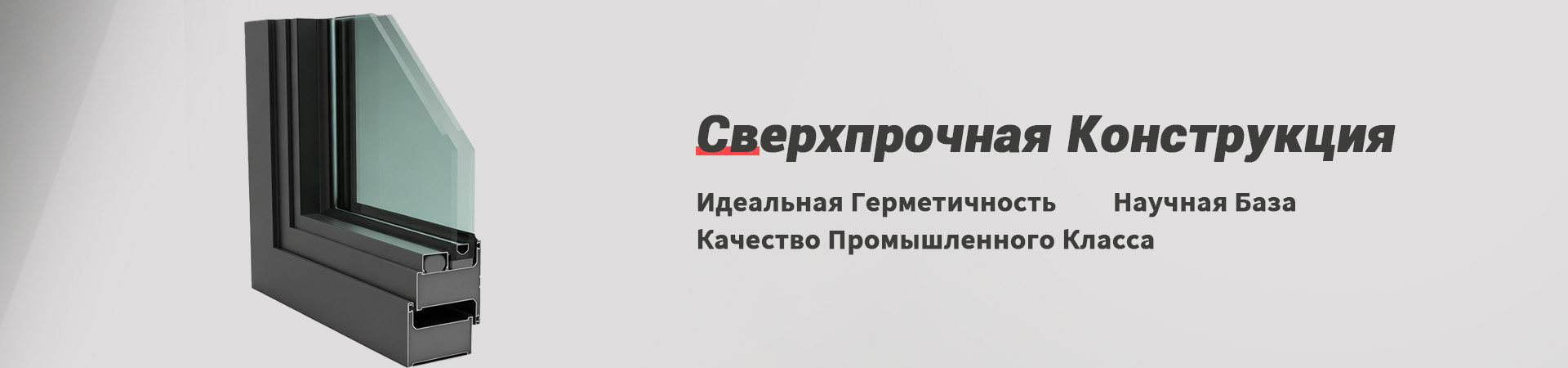
Buy windows and doors with a micro-ventilation system from the manufacturer
2026-08-14
- Buy windows and doors with a micro-ventilation system from the manufacturer: technical guide to selection and installation in 2026
- What is a micro-ventilation system and how does it work physically?
- Technical characteristics and quality standards in 2026
- Where windows and doors with micro-ventilation systems are used: industry scenarios
- How to choose windows and doors with a micro-ventilation system: supplier evaluation criteria
- Comparison of micro-ventilation systems: solution table
- Typical mistakes when choosing and using
- Logistics, installation and service
- Pricing: what affects the cost?
- FAQ: Frequently asked questions about micro-ventilation
- Production approach of Chongqing Huaxia Windows and Doors LLC: reliability in extreme conditions
- Why is it worth buying windows and doors with a micro-ventilation system from us?
Buy windows and doors with a micro-ventilation system from the manufacturer: technical guide to selection and installation in 2026
Windows and doors with micro-ventilation systemis an engineering solution for ensuring continuous air exchange in sealed rooms without drafts, heat loss and penetration of street noise. In the conditions of modern energy-efficient construction, where the permeability of enclosing structures is reduced to a minimum, traditional burst ventilation through an open sash becomes ineffective: it leads to sudden cooling of the walls, condensation on slopes and discomfort for the occupants. The micro-ventilation system (or slot ventilation) solves this problem by fixing the sash in a gap position of 3–5 mm, which allows maintaining a healthy microclimate with minimal energy costs.
For industrial facilities, warehouse complexes and premium residential buildings, the presence of such an option is not just a convenience, but a necessity dictated by sanitary standards and requirements for the safety of materials. In this guide, we will analyze in detail the technical aspects of implementing micro-ventilation, compare mechanical and automated systems, evaluate the impact on the thermal contour of the building and give recommendations for purchasing directly from the manufacturer. The relevance of the topic in 2026 is due to stricter requirements for energy audits of buildings and rising energy prices, which makes ventilation control a critical element of real estate operation.
What is a micro-ventilation system and how does it work physically?
Micro-ventilation is a mode of operation of window or door fittings in which the sash moves away from the frame at a distance sufficient for the passage of air, but not sufficient for free access of foreign objects, insects or a significant decrease in the temperature in the room. The physics of the process is based on the principles of natural convection and diffusion.
Operating principle and flow aerodynamics
With a classic open window, a turbulent air flow occurs, which quickly cools the room. In micro-ventilation mode, air passes through a narrow gap (usually 10–15 degrees of opening angle or a parallel gap of 3–5 mm). This creates laminar or slightly turbulent flow which:
- Gradually mixes with warm air under the ceiling, without creating the effect of a “cold floor”.
- Provides an air exchange rate of 0.3–0.5 room volume per hour, which corresponds to basic hygienic standards for bedrooms and offices.
- Reduces the sound pressure level from the street by 15–20 dB compared to a completely open window, since the gap acts as an acoustic high-pass filter.
It is important to understand thatwindows and doors with micro-ventilation systemdo not replace full supply and exhaust ventilation in rooms with high air quality requirements (laboratories, production workshops), but they effectively compensate for the lack of fresh air in residential and administrative areas, preventing the “stuffiness” effect and the accumulation of CO2.
Constructive implementations of the mechanism
There are three main types of technical implementation of micro-ventilation that manufacturers offer in 2026:
- Comb (opening limiter).The simplest and cheapest option. It is a plastic or metal bar with teeth, attached to the frame, and a pin on the sash. Allows you to fix the window in several positions. Disadvantage: it violates the integrity of the sealing contour, reducing sound insulation.
- Slot ventilator (built into the fittings).Implemented through a special element of scissors or the top loop. When the handle is turned to an intermediate position (often between “closed” and “tilted”), the sash moves away from the frame along the entire perimeter or only in the upper part by 3–5 mm. The seal remains partially engaged, which maintains protection against noise and dust.
- Air infiltration valve (supply valve).A stand-alone device embedded in a profile or installed above a window. Works continuously, regulating the air flow depending on the pressure difference or humidity (hygroscopic valves). Does not require opening the sash.
The most technologically advanced and aesthetic solution for modern projects are built-in micro-ventilation systems, since they do not spoil the appearance of the structure and are controlled by a standard handle.
Technical characteristics and quality standards in 2026
When choosing a supplier, it is necessary to rely not only on marketing statements, but also on specific technical parameters. The market for window systems in Russia and the CIS countries is strictly regulated, and high-qualitywindows and doors with micro-ventilation systemmust meet a number of key indicators.
Key Parameters for Specification
| Parameter | Optimal value | Impact on Operation |
|---|---|---|
| Ventilation slot width | 3 – 5 mm | Provides a balance between air exchange and heat loss. Less than 3 mm - not enough air, more than 6 mm - risk of draft. |
| Burglar resistance class (WK) | WK2/WK3 (RC2/RC3) | In micro-ventilation mode, the window is vulnerable. High-quality fittings should have locks that prevent opening from the outside. |
| Mechanism wear resistance | Minimum 20,000 cycles | Guarantees operation of the mechanism without backlash or jamming for 10–15 years of daily use. |
| Seal tightness | Class A according to GOST 30674 | Even in micro-ventilation mode, the seal must fit tightly in closed areas so as not to whistle in the wind. |
| Material of final parts | Stainless steel / ZAM | Plastic elements of combs often break in the cold. The metal provides reliability at temperatures down to -40°C. |
Impact on the thermal contour of the building
Engineering calculations show that at a temperature outside of -20°C and inside +22°C, opening a window in micro-ventilation mode for 1 hour leads to a decrease in the average air temperature in a room with a volume of 50 m³ by only 1–1.5°C. For comparison, fully opening a window for 5 minutes reduces the temperature by 5–7°C, then requiring significant energy expenditure to reheat the walls and furniture. Thus, the use of a micro-ventilation system saves up to 15–20% of heating costs in winter by eliminating sudden heat losses.
Where windows and doors with micro-ventilation systems are used: industry scenarios
The versatility of the technology allows it to be used in various sectors. However, implementation requirements differ depending on the purpose of the object.
1. Residential sector: Apartments and private houses
In apartment buildings with sealed double-glazed windows, the problem of high humidity is especially acute. Condensation on the windows leads to the appearance of mold on the slopes. Micro-ventilation maintains relative humidity at 40–50%, which is comfortable for humans and safe for building structures. In private homes, the system is integrated with heat exchangers or used as a backup ventilation channel.
2. Office centers and business centers of class A and B+
High density of employees in open spaces leads to rapid accumulation of carbon dioxide (CO2). At CO2 concentrations above 1000 ppm, the cognitive ability of personnel is reduced by 15–20%. Micro-ventilation systems allow you to maintain CO2 levels within 800–900 ppm without the intervention of climate control services and without creating noise that interferes with work.
3. Medical institutions and laboratories
The ability to ventilate without access to external pollutants is critical here. Slit ventilation minimizes the entry of pollen, dust and exhaust gases, while ensuring the necessary sanitary air exchange in wards and treatment rooms.
4. Warehouses and archives
Stable temperature and humidity are important when storing papers, fabrics, wood or electronics. Sudden changes during normal ventilation are unacceptable. Micro-ventilation ensures smooth equalization of the humidity regime, preventing warping of materials and corrosion of metal parts.
How to choose windows and doors with a micro-ventilation system: supplier evaluation criteria
The market offers many solutions, but not all of them are equally reliable. When creating technical specifications (TOR) for procurement, pay attention to the following aspects.
Type of fittings
Make sure that the manufacturer uses fittings with the ability to install the micro-ventilation function out of the box. Popular brands (Roto, Siegenia, Maco, Vorne) have special elements (for example, Roto E-Tec or similar) that are easily integrated. Cheap no-name systems often require the installation of overhead combs, which reduces the cost of the product but reduces its functionality and durability.
Safety in ventilation mode
This is the most vulnerable moment. A window in micro-ventilation mode can be opened from the outside using a simple tool if there is no additional protection. Require availability:
- Anti-burglary pins (mushroom-shaped).They cling to the strikers even with a small gap.
- Erroneous action blocker.Prevents the simultaneous opening of the window in two modes (pivot and tilt), which can lead to the sash falling out.
- Children's castle.If there are children in the room, the mechanism must be locked with a key or button.
Automation and smart home
In 2026, the trend is the integration of window systems with smart home protocols (Zigbee, Wi-Fi, KNX). Electric drives can automatically open a window into micro-ventilation mode when the CO2 or humidity level specified by sensors is exceeded. If you are planning such an integration, make sure that the selectedwindows and doors with micro-ventilation systemcompatible with automation (have reinforced drives and appropriate interfaces).
Comparison of micro-ventilation systems: solution table
For clarity, let’s compare three main approaches to organizing slot ventilation.
| Characteristics | Overhead comb | Fitting slot ventilation | Supply valve (in profile) |
|---|---|---|---|
| Sales cost | Low (500–1000 rub.) | Medium (included in the price of accessories) | High (RUB 2,000–5,000 per piece) |
| Noise insulation | Decreases significantly | Decreases moderately | Virtually no reduction (acoustic models available) |
| Hacking protection | Missing | High (with special trunnions) | Absolute (window closed) |
| Aesthetics | Low (plastic on frame visible) | High (hidden mechanism) | Medium (valve grille visible) |
| Ease of management | Manual, needs to be hooked | One handle control | Automatic or manual (controller) |
| Risk of blowing | High (contour broken) | Low (controlled clearance) | Minimum (adjustable) |
Engineer Recommendation:For residential premises, the optimal choice is slot ventilation. It balances between cost, aesthetics and functionality. Inlet valves should only be considered if the windows are planned to be kept permanently closed (for example, in noisy areas near highways).
Typical mistakes when choosing and using
Even high-quality equipment may not work correctly due to installation errors or incorrect selection. Here are the main problems that buyers face:
- Ignoring sash geometry.Micro-ventilation requires perfect adjustment of the sash. If there is a skew, the gap will be uneven: the gap at the bottom may be 1 mm, and at the top 10 mm. This will lead to a strong draft. Require precise adjustment of fittings when handing over the object.
- Incorrect choice of seal.For winter micro-ventilation, a standard rubber seal may “stiffen” and fail to provide a tight seal in the closed part of the circuit. Use EPDM or silicone seals that remain flexible at low temperatures.
- No mosquito net.In micro-ventilation mode, a regular frame mosquito net does not protect against insects, since there is a gap between the net and the frame. Solution: use rolled or pleated mosquito systems mounted directly on the sash.
- Forgotten grease.Micro-ventilation mechanisms are subject to increased friction. They must be serviced (cleaned and lubricated) at least once a year, otherwise the mechanism will jam.
Logistics, installation and service
Purchasewindows and doors with micro-ventilation systemfrom the manufacturer implies not only receipt of the goods, but also responsibility for its integration into the construction project.
Installation requirements
Installation must be carried out in accordance with GOST 30674-2017 (for the Russian Federation) or similar European standards (DIN 18055). Particular attention is paid to foaming gaps and installing vapor barrier tapes. Incorrect installation eliminates the benefits of micro-ventilation, since cold air can enter not through the gap, but through leaky joints of the frame and wall, causing local freezing of the slopes.
Service and warranty
When ordering a batch of windows for a commercial facility, be sure to conclude a post-warranty service agreement. Fittings are a dynamic mechanism. Adjusting the sash pressure seasonally (weaker in summer, stronger in winter) is critical for the correct operation of the micro-ventilation mode. The manufacturer must provide instructions for self-adjustment of eccentrics or conduct a training seminar for customer technicians.
Pricing: what affects the cost?
The cost of windows with micro-ventilation is formed from several components. Understanding the price structure will help you bargain reasonably with suppliers.
- Profile system.The profile width (60, 70, 80 mm) and the number of chambers affect the base price. For micro-ventilation, the profile width is not critical, but it does affect overall energy efficiency.
- Furniture kit.This is the most important part. Switching from basic fittings to fittings with micro-ventilation function and anti-burglary elements increases the cost of the window by 10-15%, but this is an investment in safety and comfort.
- Double-glazed window.Energy-saving glass (i-glass, k-glass) reduces heat loss through the glazing, making micro-ventilation even more effective, since the surface of the glass remains warm and condensation does not form on it.
- Order quantity.For wholesale purchases (from 10–20 units), manufacturers are ready to provide discounts of up to 20–30% and include the micro-ventilation function in the basic package for free.
FAQ: Frequently asked questions about micro-ventilation
1. Is it possible to install micro-ventilation on existing windows?
Yes, it's possible. If your windows are equipped with modern tilt-and-turn fittings, the technician can replace the “scissors” element with a modification with a slot ventilation function. You can also install an overhead comb or a mortise inlet valve. However, replacing the fitting element is preferable from the point of view of aesthetics and tightness.
2. Will it be cold in winter with micro-ventilation?
Not if the system is configured correctly. A gap of 3–5 mm does not create a directed cold flow. The air has time to warm up, mixing with warm air under the ceiling. The temperature in the area where a person is located (1.5–2 m from the floor) decreases slightly (by 0.5–1°C), which is imperceptible to the body.
3. Does micro-ventilation protect against noise?
Partially. It reduces noise levels better than an open window, but worse than a completely closed one. To protect against strong city noise, it is recommended to use acoustic supply valves or combine micro-ventilation with noise-proof double-glazed windows.
4. How to understand that micro-ventilation is working?
The easiest way is visual (the gap is visible) and tactile (raise your hand to the top of the sash, you will feel a slight movement of air). A more accurate method is to use an anemometer or monitor CO2 levels. If, when the windows are closed, the CO2 level rises above 1000 ppm, and when micro-ventilation is turned on, it stabilizes at 800–900 ppm, the system is working effectively.
5. Does micro-ventilation affect the service life of the seal?
In slot ventilation mode, the seal is in a partially compressed state. This does not have a critical effect on its service life if the quality of the rubber meets the standards (EPDM). However, it is recommended to periodically clean the seal from dust and lubricate it with silicone grease to prevent it from drying out and losing elasticity.
Production approach of Chongqing Huaxia Windows and Doors LLC: reliability in extreme conditions
Selecting a manufacturer capable of providing consistent quality products operating in difficult climatic conditions is a key factor in the success of the project.Chongqing Huaxia Windows and Doors Co., Ltd., being a Russian legal entity within the framework of a strategic association with the industrial giant Chongqing Huaxia Steel Structures, offers a unique approach to the creation of energy-efficient building envelopes.
Based on the facilities of the key industrial center of China (Chongqing), the company implements a dual business model that combines competencies in the field of civil engineering and heavy engineering. This allows heavy industry reliability standards to be applied to the production of civilian window systems. The company's product range includes modular windows and doors made of colored steel in the 60, 75 and 120 series, as well as painted steel windows with poured thermal insulation in the 50 series. These solutions are developed using advanced thermal break technologies and multi-circuit seals, which provide high wind protection and tightness, which are critical for the correct operation of micro-ventilation systems.
The uniqueness of the Chongqing Huaxia production base lies in the full cycle of metal processing - from design to final assembly, with strict control at each stage. The company's products have been tested in extreme conditions: from polar climates to aggressive industrial zones. This resistance to external influences ensures that the micro-ventilation mechanisms will not deform or jam during temperature changes, and the seals will retain their elasticity even at -40°C.
The company's supply geography covers the CIS countries, the Middle East and Eastern Europe, where Chongqing Huaxia is actively involved in reconstruction and import substitution projects. The service policy is based on the principles of prompt response and technical support, which is especially important when implementing large infrastructure projects.
Why is it worth buying windows and doors with a micro-ventilation system from us?
We are a direct manufacturer of window and door structures with a full production cycle. This allows us to control quality at every stage: from profile extrusion to the final adjustment of fittings.
Our advantages:
- Direct prices without intermediaries.You pay only for materials and labor, without dealer markups.
- Custom engineering.We select fittings based on the weight and size of your sashes, calculating the loads so that micro-ventilation works easily and accurately even on large windows.
- Compliance with 2026 standards.We use materials and technologies that meet modern requirements for energy efficiency and environmental friendliness.
- Warranty and service.We provide an extended warranty on fittings and profiles. Our specialists carry out commissioning work on site.
Don't risk the comfort and health of your employees or family. Proper ventilation is the basis of a healthy microclimate. Request a cost estimatewindows and doors with micro-ventilation systemright now, and our engineers will prepare an individual commercial offer for you, taking into account the specifics of your facility.
Ready to discuss the project?
Contact us to receive a technical catalog and price list.
Request a quote
To view our other solutions, visit the sectionproducts.


