



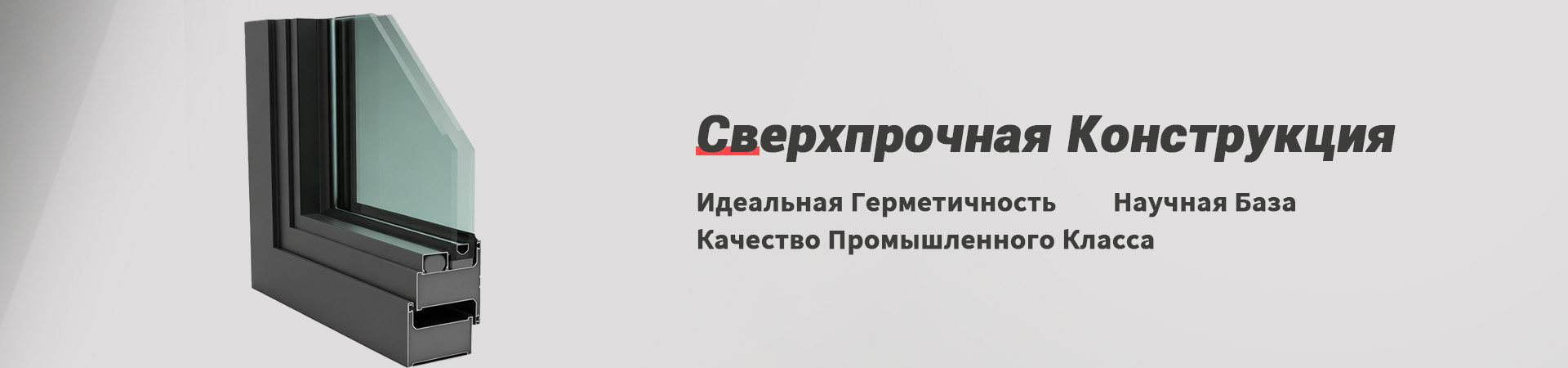
Buy windows and doors with thermal insulation from the manufacturer
2026-08-14
- Windows and doors with thermal insulation: direct supply from the manufacturer for industrial and residential facilities
- Technical characteristics and operating principle of thermal insulation
- Where are thermally insulated windows and doors used?
- How to choose windows and doors with thermal insulation: an engineering approach
- Material Comparison: PVC vs Aluminum with Thermal Break
- Pricing: what the cost is made up of
- Chongqing Huaxia Windows and Doors LLC: extreme reliability technologies
- Logistics and export opportunities
- Typical mistakes when ordering and installing
- Recommendations for purchasing and cooperation with the manufacturer
- FAQ: Frequently asked questions
- Conclusion and call to action
Windows and doors with thermal insulation: direct supply from the manufacturer for industrial and residential facilities
Windows and doors with thermal insulationare high-tech engineering structures designed to minimize heat loss in buildings for various purposes. In the Russian climate, where temperature changes can reach extreme values, standard translucent structures do not provide the required level of energy efficiency. Thermally insulated systems use multi-chamber profiles made of PVC or aluminum with a thermal break, energy-saving double-glazed windows with argon filling and low-emissivity coatings (i-glass), as well as reinforced sealing contours made of EPDM rubber. This makes it possible to reduce the heat transfer coefficient (U-value) to 0.8–1.1 W/(m² °C), which is critical for compliance with SP 50.13330.2012 standards and reducing operating costs for heating.
Orderingwindows and doors with thermal insulationdirectly from the manufacturer, you eliminate intermediary markups and get full control over the technical parameters of the product. We specialize in the production of structures for warehouse complexes, production workshops, hangars, as well as private households in the northern regions. Our products are certified according to GOST and EAC standards, guaranteeing durability and safety. In this guide, we'll go into detail about the technical specifications, costing methods, installation features, and supplier selection criteria so you can make an informed investment decision.
Technical characteristics and operating principle of thermal insulation
The effectiveness of thermally insulated windows and doors does not depend on one component, but on the synergy of all structural elements. Understanding the physics of the heat transfer process is necessary for the correct selection of equipment. Heat leaves the room in three ways: through the profile, through the double-glazed window and through the junction points (cold bridges). A high-quality system neutralizes all three loss channels.
Profile system: the role of thermal break
In aluminum structures, the key element is the thermal break - a glass fiber reinforced polyamide insert that separates the external and internal contours of the profile. Aluminum has high thermal conductivity (λ ≈ 220 W/(m °C)), so without thermal break it works like a radiator, cooling the room. The width of the thermal break in our systems varies from 24 mm to 45 mm. The wider the thermal gap, the higher the resistance to heat transfer.
For PVC profiles, the number of air chambers is a critical parameter. Standard “warm” systems have 5–7 chambers. However, not only the quantity is important, but also the presence of additional insulating inserts inside the central chambers of the profile. We use profiles with installation depths from 70 mm to 90 mm, which allows you to install double-glazed windows up to 52 mm thick.
Double glazing: the heart of energy efficiency
Glass occupies up to 70% of the window area, so its parameters determine the overall efficiency. The following are used in thermal insulation systems:
- Low-E glass (Low-E):A microscopic layer of metal oxides (silver, titanium) is applied to the surface of the glass, which reflects infrared (thermal) radiation back into the room, transmitting visible light. This reduces heat loss by 30–40% compared to conventional glass.
- Noble gas (Argon/Krypton):Filling the interglass space with argon reduces convective heat transfer inside the package. Argon is heavier than air, it suppresses the movement of gas flows between the glasses. Krypton is used in ultra-thin packages because its efficiency is higher at a smaller layer thickness, but the cost is significantly higher.
- Warm spacer frame:Replacing the aluminum spacer frame with a polymer one (made of stainless steel with a polymer coating) eliminates freezing of the edge zone of the glass unit. This prevents the formation of condensation and mold on the slopes.
Fittings and sealing
Even the warmest profile will not save you if the sash does not fit tightly. We use fitting systems with the possibility of micro-ventilation and multi-point locking (minimum 3 locking elements per side). Seals made of ethylene propylene rubber (EPDM) remain elastic at temperatures down to -60°C, ensuring the tightness of the circuit throughout its service life.
Where are thermally insulated windows and doors used?
The scope of application of thermally insulated structures goes far beyond private housing construction. In the industrial sector, the correct choice of glazing affects the microclimate, product safety and energy balance of the enterprise.
Industrial facilities and logistics centers
In Class A warehouses and refrigerated terminals, maintaining temperature conditions is a critical factor. Installation of industrial doors with thermal insulation (sectional, roller or swing) allows you to reduce the cost of operating refrigeration equipment by 15–20%. For office areas within production workshops (so-called “warm offices”), stained glass systems with increased heat transfer resistance are used. They protect staff from drafts and noise, increasing productivity.
Civil engineering in the northern regions
In areas with a sharply continental climate (Yakutia, Siberia, the Urals), standard windows cannot cope with the loads. This requires frost-resistant systems. Ourwindows and doors with thermal insulationare tested for cyclic freezing and thawing. The use of three-chamber double-glazed windows with two i-glasses allows you to maintain a comfortable temperature on the inner surface of the glass even at -45°C outside, eliminating the effect of “cold radiation” from the window.
Public buildings and medical facilities
For hospitals, schools and kindergartens, not only heat conservation is important, but also sound insulation. Thermally insulated packages with different glass thicknesses (for example, 4 mm and 6 mm) dampen resonant frequencies, reducing the noise level from the street by 40–45 dB. This creates the necessary acoustic comfort.
How to choose windows and doors with thermal insulation: an engineering approach
The choice of design should be based on thermal engineering calculations, and not on marketing promises. Below are the key parameters that you should pay attention to when creating technical specifications.
Heat transfer resistance coefficient (R₀)
This is the main performance indicator. According to the updated standards SP 50.13330.2012, the required value of R₀ depends on the heating degree-day (DHD) of the region. For Moscow, the basic requirement is about 3.0–3.5 (m² °C)/W, for Novosibirsk - above 4.5 (m² °C)/W. Our systems provide an R₀ of 0.8 to 1.2 (m²°C)/W for the entire structure (profile + glass), which complies with strict passive building regulations.
Opening type and ergonomics
For doors, the type of opening is critical. Hinged doors provide better sealing but require space to open. Sliding systems with a lift-and-slide mechanism (HS portals) allow panoramic glazing of terraces, but require careful adjustment of roller groups and brush seals to maintain thermal insulation. We recommend using lift and slide systems only in regions with mild climates or in combination with vestibule areas.
Color and lamination
Dark profiles heat up more in the sun, which can lead to temperature deformations. For southern regions, we recommend using profiles with a special reflective coating or limiting the area of dark elements. Lamination with RENOLIT or ORACAL film provides not only aesthetics, but also additional protection of PVC from UV degradation.
| Parameter | Standard solution | Thermally insulated solution (Premium) | Impact on Operation |
|---|---|---|---|
| Profile | PVC 3 chambers, 60 mm | PVC 6-7 chambers, 86 mm or Aluminum with thermal break 40 mm | Reduction of heat loss by 40-60% |
| Double-glazed window | Single chamber (2 glasses) | Double-chamber with i-glass and argon | Eliminates condensation, saves heating |
| Distance frame | Aluminum | Polymer (Warm Edge) | No freezing at the edge of the glass |
| Sealant | TPE (thermoplastic elastomer) | EPDM (rubber), welded corners | Sealing lasts 15+ years |
| Installation | On foam without tape | According to GOST (vapor barrier + diffusion) | Preventing the destruction of the assembly seam |
Material Comparison: PVC vs Aluminum with Thermal Break
A common question from buyers is: what is best for a particular property? The answer depends on the geometry of the opening and architectural requirements.
PVC systems:Ideal for residential premises, small offices and facilities where budget is limited. PVC itself is a good insulator. Modern reinforced PVC profiles make it possible to produce structures up to 2.5 meters high without additional reinforcements. The advantage is the best price/thermal insulation ratio.
Aluminum systems with thermal break:Indispensable for large-sized glazing (showcases, facades, winter gardens). Aluminum is stiffer than PVC, which allows for narrower visible parts of the profile (more light) while maintaining load-bearing capacity. However, the cost of such systems is 1.5–2 times higher than PVC. It is important to remember: cheap aluminum without a high-quality thermal break (“cold” aluminum) is absolutely not suitable for heated rooms.
Engineering opinion:If the structure height exceeds 3 meters or the sash width exceeds 1.2 meters, we strongly recommend aluminum systems. PVC in such dimensions is subject to material creep and loss of geometry over time, which will break the tightness.
Pricing: what the cost is made up of
Costwindows and doors with thermal insulationcannot be fixed “per square meter” without taking into account the specifics of the project. The price is formed from the following components:
- Cost of the profile system:Depends on the brand (German, Turkish, Russian equivalent) and profile width.
- Filling (glass unit):The presence of energy-saving coatings, inert gas, tempered glass (triplex or stalinite) for safety significantly increases the cost of the product, but increases its class.
- Accessories:Premium systems (Roto, Siegenia, Maco) provide a smooth ride and durability, but are more expensive than their budget counterparts.
- Lamination and color:Double-sided lamination or painting of aluminum according to the RAL scale adds 15–25% to the cost of the profile.
- Form complexity:Arched, trapezoidal or round windows require custom assembly and waste of material, which increases the price.
- Installation and logistics:Delivery of oversized cargo and high-altitude installation require special equipment and qualified teams.
We provide a transparent estimate, where each item is detailed. This allows you to optimize your budget by, for example, replacing tempered glass with regular glass in areas where there is no risk of impact, or choosing single-sided lamination (street side).
Chongqing Huaxia Windows and Doors LLC: extreme reliability technologies
Choosing a reliable partner is as important as choosing materials. Chongqing Huaxia Windows and Doors LLC is a Russian legal entity operating within the framework of a strategic association with a leading manufacturer of heavy metal structures. Based in the industrial center of Chongqing (China) and having a representative office in the Russian Federation, the company implements a unique dual business model that combines competencies in the field of energy-efficient construction and heavy engineering.
Our approach differs from traditional window companies in that we apply quality standards accepted in mission-critical industrial applications. The company's production base combines the capabilities of two specialized enterprises, which allows for a full cycle of metal processing: from design and laser cutting to welding, powder coating and finishing assembly. Strict quality control at all stages - from incoming inspection of raw materials to final inspection of finished products - guarantees stability of characteristics even with large volumes of orders.
The main range of our company includes two complementary groups of products designed for use in harsh climatic and aggressive industrial conditions:
- Energy efficient window and door systems:Modular colored steel windows and doors in the 60, 75 and 120 series, as well as 50 series insulated painted steel windows. These solutions utilize advanced thermal break and multi-circuit sealing technologies to provide superior wind protection and thermal resistance. The company is a leader in the development of such systems and participated in the creation of the Chinese state standard for steel windows and doors.
- Industrial metal products:Through integration with the Heavy Engineering Division, we also supply stainless steel water pipes, GVU manifolds, brackets and other components for infrastructure projects.
The geography of our supplies covers the CIS countries, the Middle East and Eastern Europe. We actively participate in projects for the reconstruction of buildings, the construction of prefabricated facilities (including temporary medical and military structures) and import substitution programs. Our service policy is based on the principles of prompt response and technical support at all stages of cooperation, allowing us to flexibly adapt to the specifics of regional requirements and logistics conditions.
Logistics and export opportunities
As a manufacturer with global coverage, we organize delivery throughout the Russian Federation and to the CIS countries. Large structures are packed in wooden boxes with fixing elements to prevent damage to corners and glass during transportation. For export, we prepare a full package of documents, including EAC certificates of conformity and customs declarations. The production time for standard orders is 10–14 working days, for non-standard orders – up to 25 days.
Typical mistakes when ordering and installing
Even the most expensive window will perform poorly if errors are made during the ordering or installation stages. Here is a list of the problems we encounter most often:
- Ignoring vent valves:Sealed thermal windows completely block the natural flow of air. Without installing supply valves or a recovery system, the humidity in the room will inevitably increase, which will lead to stuffiness and the risk of fungus on slopes not connected to the window.
- Incorrect installation (without GOST):Installing a window simply on foam is unacceptable. Foam is destroyed by ultraviolet radiation and moisture. A three-layer assembly seam is required: internal vapor barrier tape, foam, external vapor-permeable tape (PSUL). Violation of this rule leads to freezing of the slopes after 2–3 years.
- Savings on window sill and ebb tide:An incorrectly installed drip sill without sound-absorbing tape will make noise when it rains, and the lack of drainage under the window sill will lead to water flowing under the frame.
- Lack of expansion compensators:When installing long structures (more than 3 meters), it is necessary to use expansion joints, otherwise the thermal expansion of the profile in summer can cause the frame to bend.
Recommendations for purchasing and cooperation with the manufacturer
When choosing a supplier, pay attention to the presence of its own production, and not just an assembly shop. This guarantees quality control at every stage: from profile cutting to corner welding. Require the provision of samples of assemblies (corner joints) for visual assessment of the quality of welding and sealing.
We recommend requesting not just a commercial proposal, but a technical and commercial proposal (TCP) with thermal engineering calculations for your region. This will show the competence of the supplier. Also check the warranty conditions: the warranty for the profile is usually 10-15 years, for fittings - 5-10 years, for installation work - 3-5 years.
FAQ: Frequently asked questions
How much do thermally insulated windows really save?
According to our clients and independent audits, replacing old wooden or aluminum windows with modern thermally insulated systems reduces heat loss through translucent enclosures by 50–70%. In monetary terms, this provides a payback on energy costs for heating within 3–5 years, depending on energy tariffs.
Is it possible to install thermal windows in an old building?
Yes, but careful measurement is required. Old openings often have uneven surfaces. We use special expansion profiles and mounting patterns that allow us to compensate for geometric deviations of the walls without losing the functionality of the window.
What is the difference between “energy-saving” glass and “thermal insulated” window?
Energy-saving glass is just one element. A thermally insulated window is a complex system that includes a warm profile, the correct spacer frame, sealed installation and high-quality fittings. Only the combination of these factors produces results.
How to care for thermally insulated windows?
Twice a year (spring and autumn) it is necessary to clean the drainage holes, lubricate the fittings with silicone grease and check the condition of the seals. Do not use abrasive cleaners on profiles and coated glass.
What is the service life of such structures?
If the installation and operation technology is followed, the service life of PVC structures is 40–50 years, aluminum and steel – up to 80 years. The fittings require adjustment every 3–5 years depending on the intensity of use.
Conclusion and call to action
Investments in qualitywindows and doors with thermal insulationis a contribution to long-term savings and comfort. Properly selected designs solve the problems of drafts, condensation and high heating bills. Chongqing Huaxia Windows and Doors LLC is ready to offer you a customized solution based on engineering calculations, double quality control technologies and our experience of working in extreme conditions.
Don't risk the quality of your project by choosing random contractors. Work with a manufacturer who is responsible for every millimeter of the profile and every weld.
Ready to discuss your project?
Contact our technical specialists to receive a free thermal calculation and preliminary estimate. We will help you choose the optimal configuration for your budget and climatic conditions.
Request a cost estimate and engineer consultation
Or explore ourready-made technical solutions and product catalog


