



Fireproof windows with sound insulation from the manufacturer: prices 2026
2026-08-15
- Fireproof windows with sound insulation: technical review and prices for 2026
- What are fireproof windows with sound insulation: operating principle and design
- Where fireproof windows with sound insulation are used: industry scenarios
- Main technical characteristics and selection parameters
- How to choose a supplier: criteria for assessing reliability in 2026
- Price Range and Cost Factors in 2026
- Logistics, installation and service
- Typical mistakes when choosing and ordering
- Comparison of technologies: Gel vs Ceramic vs Film glass
- FAQ: Frequently asked questions about fireproof windows
- Recommendations for purchasing and concluding a contract
- Conclusion
Fireproof windows with sound insulation: technical review and prices for 2026
Fireproof windows with sound insulationare complex engineering structures that combine certified fire resistance (classes EI 30–EI 120) and high acoustic performance (noise reduction up to 45–52 dB). With the urbanization of industrial areas and stricter regulations to protect personnel from industrial noise, such systems are becoming a critical element of building safety. The main task of this product is to ensure the evacuation of people and localization of the source of fire, while simultaneously creating a comfortable acoustic environment for work or living.
The 2026 market sees a shift in focus from simple glass blocks to integrated façade solutions. Request "fireproof windows with sound insulation” often comes from chief engineers, architects and buyers who are faced with conflicting requirements: glass must be thick to protect against fire, but laminated and airtight to protect against sound. Standard fire-resistant glass often has low sound insulation due to resonance effects, so modern manufacturers use combined packages with inert gases and special polymer films. This article examines the technical nuances, pricing and errors when choosing such systems, based on experience in deliveries for oil and gas, energy and civil infrastructure.
What are fireproof windows with sound insulation: operating principle and design
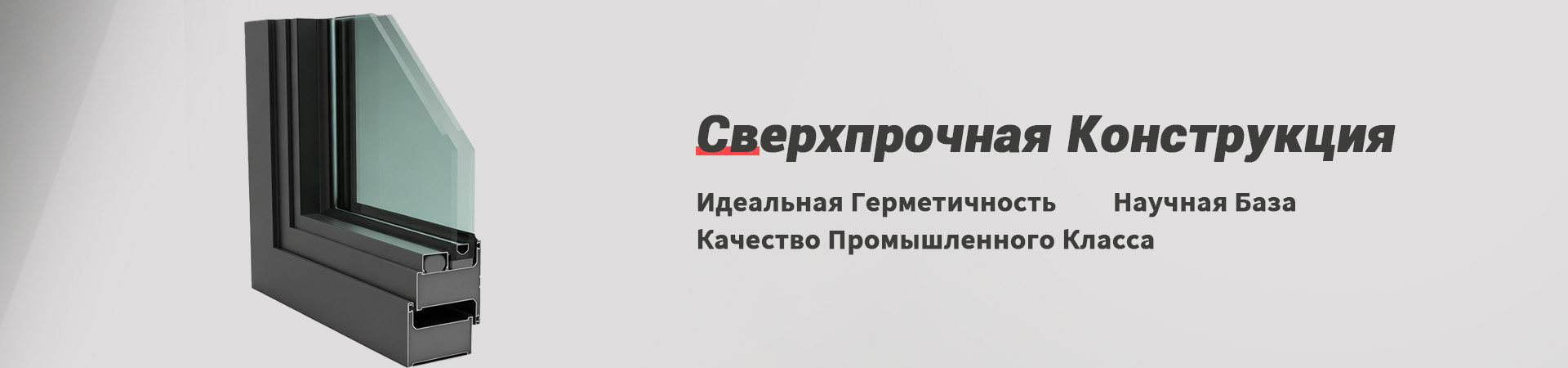
The traditional understanding of fire resistant glazing is limited to its function as a flame and smoke barrier. Howeverfireproof windows with sound insulationsolve a double problem. Structurally, they consist of a reinforced profile (steel or aluminum with a thermal break) and a specialized double-glazed window. The key difference from conventional windows is the use of fire-resistant glass of the Fireglass class, which foams when exposed to high temperatures or maintains its integrity due to reinforcement, preventing the spread of fire.
To ensure sound insulation, the following elements are integrated into such packages:
- Asymmetrical glass thicknesses:Using glass of different thicknesses (for example, 6 mm and 10 mm) allows you to break up the resonant frequencies, reducing the transmission of sound waves.
- Sound-absorbing PVB films:Multilayer triplexes with acoustic film effectively dampen vibrations, especially in the low-frequency range typical of industrial equipment.
- Inert gases:Filling the space between the glass with argon or krypton not only improves thermal insulation, but also increases the density of the medium, which contributes to sound attenuation.
- Hermetic seals:The use of thermally expanding tapes, which expand during a fire, blocking cracks, and in normal operation provide air permeability class A, critical for sound insulation.
It is important to understand that simply installing thick glass does not guarantee a high airborne sound insulation index (Rw). Without proper sealing of the junctions and the use of damping gaskets, even the most expensive fire-resistant glass will transmit noise through micro-slits in the profile. Therefore the term "fireproof windows with sound insulation"implies a systematic approach, where the profile and fittings work as a single mechanism.
Where fireproof windows with sound insulation are used: industry scenarios
Demand for combined solutions is growing in sectors where fire risks and high levels of noise pollution intersect. Let's look at two typical engineering application scenarios.
Scenario 1: Oil Refinery Control Centers
Operating refineries are often located in close proximity to compressor stations and distillation columns. The noise level here can reach 85–95 dB, which exceeds sanitary standards for permanent presence of personnel (no more than 80 dB is acceptable for short-term exposure, but for comfortable work a reduction to 45–50 dB is required indoors). At the same time, in accordance with the fire safety requirements of industrial facilities, the glazing must withstand the heat flow during a possible outbreak of hydrocarbons.
Engineering solution:Installation of windows class EI 60 with sound insulation index Rw 48 dB. A powder-coated steel profile and a three-chamber double-glazed window with two layers of fire retardant gel and acoustic triplex on the outside are used. This reduces noise from operating pumps (low-frequency hum) by 45 dB, ensuring silence in the control room, and provides 60 minutes of fire protection for personnel evacuation.
Scenario 2: Business-class residential complexes near thermal power plants or transport hubs
Developers are developing territories near industrial zones or major highways. Quietness in the apartments is a key selling factor here, but fire safety regulations for high-rise buildings require the use of non-combustible materials and fire-resistant barriers between sections or apartments.
Engineering solution:Aluminum systems with thermal break and filled with tempered glass with film. Fire resistance class E 30 (integrity) is sufficient to prevent the spread of fire along the façade, and the Rw index of 52 dB completely blocks noise from trucks and industrial backgrounds. In 2026, such solutions will become the standard for “green” construction, where energy efficiency and acoustic comfort are equivalent.
Main technical characteristics and selection parameters
When forming technical specifications (TOR) for procurement, it is necessary to clearly separate the parameters of fire resistance and acoustics. An error in the interpretation of these indicators leads to either overpayment or non-compliance with standards.
| Parameter | Designation | Value for standard solutions | Value for the premium segment | Impact on Operation |
|---|---|---|---|---|
| Fire resistance limit | EI (min) | EI 30, EI 45 | EI 60, EI 90, EI 120 | Time to maintain integrity and thermal insulation ability. Determines the time for evacuation. |
| Airborne noise insulation index | Rw (dB) | 32–38 dB | 42–52 dB | Subjective perception of silence. Every +10 dB means a twofold reduction in perceived loudness. |
| Heat transfer coefficient | U (W/m²°C) | 1.8 – 2.2 | 0.8 – 1.2 | Affects moisture condensation and heating/air conditioning energy costs. |
| Light transmission | Lt (%) | 75–80% | 85–90% | Fire retardant gels may yellow over time or retain their original tint. Important for lighting. |
| Structure weight | kg/m² | 40–60 kg/m² | 70–100+ kg/m² | Requires a reinforced mounting frame and special fittings. |
Choosingfireproof windows with sound insulation, pay attention to the dependence of weight on fire resistance class. Gel-filled glass (intumescent) is significantly heavier than monolithic ceramic or borosilicate glass. For large glazing areas, this requires calculating the load-bearing capacity of imposts and crossbars. Lightweight ceramic glasses transmit light better, but their acoustic performance is often lower due to their thinness, unless multiplex assemblies are used.
How to choose a supplier: criteria for assessing reliability in 2026
The market is saturated with offers, but not all manufacturers are able to guarantee simultaneous compliance with two complex standards. When choosing a partner for deliveryfireproof windows with sound insulationThe following criteria should be followed:
- Availability of current GOST and EAC certificates.Check that the certificate covers exactly the combined properties. It often happens that a factory has a certificate for the fire resistance of individual glass and separately for the sound insulation of a regular package, but there is no test report for a single design. Request test reports for the finished assembled product (profile + double-glazed window + fittings).
- Own production and vertical integration.Companies that purchase off-the-shelf components and simply assemble them are more likely to make sealing errors. The ideal option is a manufacturer who controls the entire cycle: from design and metal cutting to welding, painting and final assembly. An example of such an approach is the activityChongqing Huaxia Windows and Doors Co., Ltd.- a Russian legal entity operating within the framework of a strategic association with production facilities in Chongqing. Thanks to a unique model that combines competencies in building envelopes and heavy engineering, the company provides complete quality control at all stages. This makes it possible to create energy-efficient steel window systems (60, 75, 120 series) that can withstand extreme climatic and industrial loads, which is critical for facilities with high safety requirements.
- Experience in implementing similar projects.Request a reference list for the last 2 years. Having facilities in the oil and gas sector or the medical field (where noise and sterility/safety requirements are high) is a good indicator of competence. The supply geography of players such as Huaxia, covering the CIS countries, the Middle East and Eastern Europe, confirms the ability to adapt to different regional standards and logistics conditions.
- Technical support at the design stage.The supplier must provide calculations of thermal engineering and acoustics, as well as connections to building structures. Lack of detailed drawings of components is a red flag.
Don't blindly trust marketing brochures. The real effectiveness of the system is tested in laboratory conditions. If the supplier refuses to provide a copy of the test report indicating the specific configuration (glass thickness, gas type, profile grade), consider alternative options.
Price Range and Cost Factors in 2026
Costfireproof windows with sound insulationis formed not only from the glazing area, but also from the complexity of engineering solutions. In 2026, there is a stabilization of prices for raw materials after fluctuations in previous years, however, the technological component continues to rise in price due to the increasing complexity of the formulations of fire-retardant gels and imported hardware components.
What affects the final price?
- Fire resistance class:The transition from EI 30 to EI 60 increases the cost of a double-glazed window by 40–60%, since more layers of special gel or more expensive ceramic glass are required.
- Required sound insulation index:Each additional decibel above 40 dB requires non-standard solutions (different glass thicknesses, special spacers), which increases the cost of the design by 15–25%.
- Profile type:Steel profiles are cheaper than aluminum profiles with a thermal break, but the latter provide better heat and noise insulation due to their design. Premium stainless steel can increase the cost of a frame by 2-3 times.
- Accessories:Fire windows often require special fittings that do not melt at high temperatures and provide a tight seal. Conventional window fittings are not applicable here.
- Geometry and dimensions:Large format glazing requires the use of thicker glass to maintain rigidity, which dramatically increases weight and cost.
Approximate prices (turnkey, without installation):
| Construction type | Fire resistance | Sound insulation (Rw) | Price per m² (RUB) | Note |
|---|---|---|---|---|
| Steel window, basic | EI 30 | 32–35 dB | 25,000 – 35,000 | Minimum protection, suitable for internal partitions. |
| Steel window, reinforced | EI 60 | 38–42 dB | 45,000 – 60,000 | Optimal for industrial facilities. |
| Aluminum window, premium | EI 60 | 45–50 dB | 70,000 – 95,000 | High aesthetics, excellent insulation, for facades. |
| Aluminum window, maximum | EI 90–120 | >50 dB | 110,000 – 160,000+ | Special facilities, unique requirements. |
Prices are approximate and may vary depending on exchange rates, batch size and logistics complexity. For an accurate calculation, you must send a request with drawings or dimensions to the manufacturer.
Logistics, installation and service
Delivery and installationfireproof windows with sound insulationdiffer from the standard window market. The weight of structures can reach 100 kg/m², which requires the use of lifting mechanisms and qualified installers with permission to work at heights and with large loads.
Key installation aspects:
- Non-combustible junction materials:All gaps between the frame and the wall must be filled with non-combustible materials (mineral wool, fire-retardant foam). The use of conventional polyurethane sealant is unacceptable, as it is destroyed in a fire and compromises the integrity of the barrier.
- Leveling and anchoring:Due to the heavy weight, reinforced anchoring is required. The pitch of fastening elements should be reduced compared to standard windows (no more than 600 mm).
- Adjustment of fittings:A tight seal is critical for sound insulation. After installation, fine adjustment of all sashes with a laser level and checking the pressure with indicator paper are required.
Service:Fire retardant gels are sensitive to ultraviolet radiation unless the glass is properly coated. Although modern technology minimizes this risk, it is recommended to periodically inspect the edges of the glass unit for bubbles or clouding. The fittings must be lubricated and adjusted twice a year, since the increased weight of the sashes leads to rapid wear of the hinges.
Typical mistakes when choosing and ordering
An analysis of bug fix requests shows that customers often make the same mistakes. Avoid them to avoid wasting your budget and time.
- Confusion between E and EI.Class E means integrity only (glass has not shattered), but it can transmit heat. Class EI includes thermal insulation (the back side of the glass does not heat above a critical temperature). To protect neighboring premises from fire, EI is needed. If you choose E to escape the noise, you risk heatstroke from the people outside in the event of a fire.
- Ignoring weight during reconstruction.Replacing a regular window with a fireproof one with sound insulation increases the load on the opening by 3–5 times. Without strengthening the supporting structures, the opening may collapse or the frame will skew, which will lead to loss of tightness and, consequently, sound insulation.
- Lack of certification of the junction point.Even the best window won't work if the seam between it and the wall isn't certified fire-resistant. The fire inspector may not accept the object if the documentation does not confirm the fire resistance of the adjoining units.
- Saving on fittings.Trying to use standard fittings for heavy fire doors results in sagging after 3-6 months. A gap of 2 mm already reduces sound insulation by 5–7 dB, negating the benefits of an expensive double-glazed window.
Comparison of technologies: Gel vs Ceramic vs Film glass
To gain a deep understanding of what is on the market, let’s compare the main manufacturing technologies for fire-retardant glass used infireproof windows with sound insulation.
| Characteristics | Gel (Intumescent) | Ceramic (Borosilicate) | Film (Reinforced) |
|---|---|---|---|
| Operating principle | The gel foams when heated, creating a thermal insulation layer. | Glass can withstand high temperatures without changing its structure. | The film holds the fragments, a special impregnation slows down the burning. |
| Fire resistance | High (up to EI 120). | High (up to EI 120). | Low/Medium (usually E 15–E 30). |
| Soundproofing | Good (thanks to multi-layering). | Medium (requires combination with other glasses). | Medium (depending on film thickness). |
| Light transmission | Slightly yellowish tint, may become cloudy over time. | Tall, transparent, neutral color. | High, but optical distortion is possible. |
| Weight | Very big. | Lighter than gel ones, but heavier than regular ones. | Least. |
| Cost | High. | Very tall. | Low/Medium. |
| Recommendation | For facades and long-term protection (EI 60+). | For interiors, museums, where aesthetics are important. | Only for interior partitions with low requirements. |
Engineering verdict:For tasks where a combination of high noise insulation and serious fire resistance (from EI 45 and above) is required, gel technologies remain the uncontested leader in terms of price and efficiency, despite their greater weight. Ceramics are ideal where design and light transmission are important, but budget allows for multiplex assemblies to achieve the desired Rw.
FAQ: Frequently asked questions about fireproof windows
Is it possible to installfireproof windows with sound insulationto an existing residential building?
Yes, this is possible, but it requires coordination with the management company and, possibly, an examination of the load-bearing capacity of the openings. Due to the large weight of such structures, it is often necessary to strengthen the window unit or replace the window sill with a more durable material. It is also important to ensure that the appearance of the facade does not interfere with the architectural appearance of the building if it is historical.
How long do fire retardant gels in double glazed windows last?
Modern high-quality gels have a service life of 20–25 years, provided there is no direct long-term exposure to UV radiation (if the glass does not have a UV filter). Manufacturers provide a guarantee against delamination and clouding, usually for 5–10 years. It is recommended to choose glass with a protective low-e coating that also blocks UV.
Does fire resistance class directly affect the price?
Yes, the relationship is nonlinear. Going from EI 30 to EI 45 increases the price by about 20-30%, and from EI 45 to EI 60 by another 30-40%. This is due to the need to add additional layers of gel or use more expensive components to maintain structural integrity over longer periods of heat exposure.
Is it possible to wash such windows with aggressive agents?
No. To care forfireproof windows with sound insulationIt is recommended to use mild detergents without abrasives or acids. Aggressive chemicals can damage the sealant around the edges of the glass unit or the glass coating, which over time will lead to loss of tightness and reduced acoustic properties.
Recommendations for purchasing and concluding a contract
When preparing a tender or direct order forfireproof windows with sound insulation, include the following points in the contract:
- The supplier's obligation to provide copies of current GOST certificates of conformity for a specific product configuration.
- Indication of the exact parameters Rw (sound insulation) and EI (fire resistance) with permissible deviations.
- Guarantee conditions for the tightness of the glass unit (no fogging inside) and the safety of the fire retardant layer.
- The requirement for the installation organization to have a license from the Ministry of Emergency Situations (if required for the facility) and experience in working with heavy structures.
- Penalties for delays in delivery, since such windows are often made to order and have a long production cycle (from 4 to 8 weeks).
Don't skimp on the design stage. An error in the size or choice of opening type at the order stage is extremely expensive to correct. Involve the manufacturer's technical experts for consultation in the early stages of renovation or construction.
Conclusion
The choice of glazing for objects with increased requirements for safety and comfort is a balance between engineering reliability and economic feasibility.Fireproof windows with sound insulationin 2026 are a mature technological product capable of solving complex problems of protecting people’s lives and health. Correct selection of fire resistance class, consideration of acoustic characteristics and professional installation guarantee long-term operation without compromise in safety.
If you are planning to modernize an industrial facility or construct a new building, we recommend starting with a technical audit of existing openings and calculating loads. Our specialists are ready to prepare an individual commercial proposal with calculation of cost and delivery time.
Need a project estimate?
Receive detailed specifications and quotation atfireproof windows with sound insulationfrom the manufacturer.
→Request a cost estimate and engineer consultation


