



Fireproof windows for hospitals: prices from the factory
2026-08-16
- Fireproof windows for hospitals: prices from the factory and technical requirements 2026
- Regulatory framework and fire resistance classes of medical windows
- Design features: profile, glass unit and fittings
- Price Range and Cost Factors in 2026
- How to choose a supplier: plant reliability criteria
- An engineering view: typical mistakes in design and installation
- Comparison of materials: Aluminum vs Steel vs PVC
- Logistics and export opportunities
- FAQ: Frequently asked questions about fire windows
- Recommendations for purchasing and creating technical specifications
- Conclusion and call to action
Fireproof windows for hospitals: prices from the factory and technical requirements 2026
Fireproof windows for hospitalsare specialized translucent structures certified for fire resistance classes EI 30, EI 45 and EI 60, intended for installation in medical institutions to prevent the spread of fire and smoke. Unlike standard PVC systems, such products maintain the integrity of the glass and frame under extreme thermal loads (up to 900°C) for a specified period of time, ensuring the evacuation of patients and the work of personnel. Direct deliveries from the manufacturer allow us to reduce the cost of the project by 15–20% by eliminating intermediaries, while ensuring compliance with the strict standards of GOST 30698-2014 and SP 1.13130.2020.
The choice of glazing for medical buildings, operating rooms and escape routes requires not just the purchase of “glass”, but a comprehensive engineering solution. An error in the selection of fittings or the type of fire-fighting foam can lead to the cancellation of the clinic’s license during an inspection by the Ministry of Emergency Situations. Below is a detailed analysis of the market, pricing and technical nuances relevant for purchasers and chief engineers in 2026.
Regulatory framework and fire resistance classes of medical windows
Medical institutions are classified as facilities with large numbers of people and the presence of people with limited mobility. Their fire safety requirements are more strictly regulated than for office or residential buildings. The key document is Federal Law No. 123-FZ “Technical Regulations on Fire Safety Requirements”, as well as the sets of rules SP 1.13130.2020 and SP 2.13130.2020.
The main parameter that determines the choice of design is the fire resistance limit. It is designated by the letters E (loss of integrity), I (loss of thermal insulation ability) and W (loss of thermal radiation attenuation ability). The following classes are most in demand for hospitals:
- EI 30 (30 minutes):Basic standard for interior partitions in corridors, sanitary facilities and regular wards. The design can withstand exposure to fire for half an hour without allowing smoke and flames to pass through.
- EI 45 (45 minutes):It is used in areas of high responsibility: emergency departments, nursing stations, separating areas of different functionality. Requires the use of multi-chamber profiles and reinforced reinforcement.
- EI 60 (60 minutes):Maximum level of protection for operating rooms, intensive care units, medical records archives and vertical evacuation routes. Such windows are often combined with fire doors into a single unit.
It is important to understand the difference between “fire rated” and “fire rated” glass. Regular tempered glass breaks when heated, creating an opening for traction. Fire-resistant glass (laminated with gel filler or monolithic borosilicate) becomes cloudy when heated, forming a thermal insulating coke layer that protects the structure from temperature shock.
Design features: profile, glass unit and fittings
Pricefireproof windows for hospitalsis formed not only by the glazing area, but also by the complexity of engineering solutions. A standard aluminum or PVC profile will not work here. Let's consider three key components that determine the reliability of the system.
1. Profile system
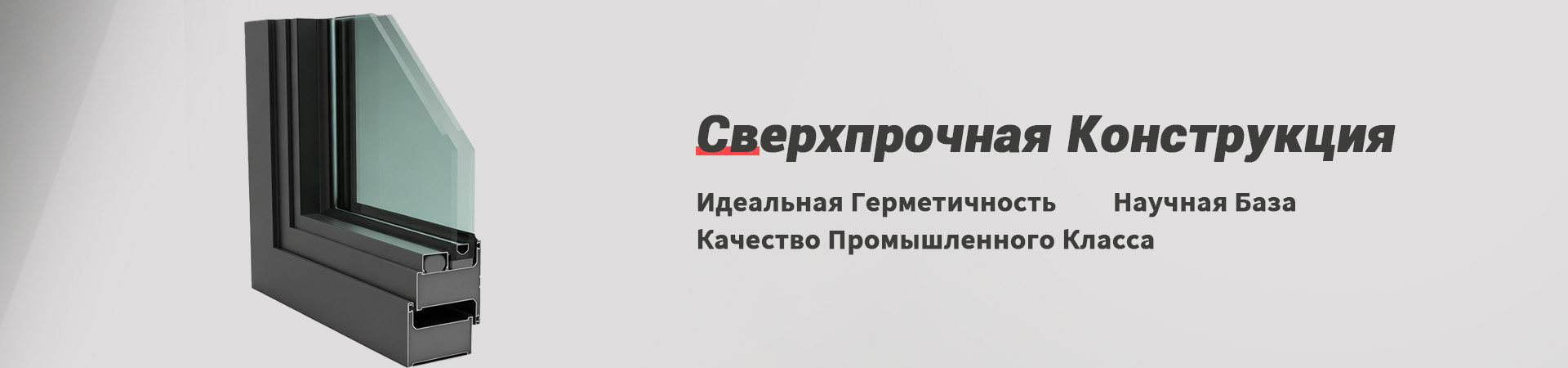
For classes EI 30–EI 60, aluminum profiles with thermal break are predominantly used. Aluminum itself has a low melting point (about 660°C), so the presence of polyamide thermal bridges and special liners that slow down the heating of the inside of the profile is critical. In 2026, the market will be dominated by systems with profile depths between 60 and 80 mm. The wider the profile, the more space there is for placing fire retardant materials and seals.
Steel profiles are less common, mainly in industrial areas of hospitals (boiler rooms, laundries), as they are heavier and susceptible to corrosion without high-quality powder coating. PVC profiles with reinforcement can only be used for classes EI 15–EI 30 in non-critical areas, but for main escape routes in hospitals their use is limited due to the risk of deformation at high temperatures.
2. Fireproof glazing
The heart of the window is the glass unit. There are two main types of technology used in healthcare settings:
- Gel laminated glasses:They consist of several sheets of ordinary glass, between which a special transparent gel is poured. When heated, the gel foams into an opaque solid foam. This foam absorbs thermal energy and prevents heat transfer to the other side. Advantage: High thermal insulation (low U-value). Disadvantage: heavy weight and sensitivity to UV radiation (requires high-quality sealing of the edges).
- Monolithic borosilicate glass (for example, Pyran or analogues):Single-layer glass that can withstand thermal shock. It is lighter than gel packs, but has worse thermal insulation properties. Often used in combination with low-e coatings to save energy. Ideal for horizontal glazing (skylights) or where the weight of the structure is important.
3. Fire fittings and seals
The weak point of any system is the hinges and handles. In the event of a fire, ordinary fittings melt or jam, making it impossible to open the window for ventilation after the fire has been extinguished or, conversely, blocking access for rescuers. Fireproof fittings are made of heat-resistant alloys.
Particular attention is paid to seals. When heated to 150–200°C, conventional rubber seals burn out, forming cracks. Certified windows use intumescent (intumescent) tapes. When heated, they expand 10–20 times, tightly filling the gaps between the sash and the frame, sealing the room from smoke. Smoke is the main cause of death in fires, so this element is no less important than the glass itself.
Price Range and Cost Factors in 2026
Request "fireproof windows for hospitals prices"often leads to a range of values from 15,000 to 80,000 rubles per square meter. This variability is due to technical parameters. Below is an approximate cost structure when ordering a batch from a manufacturing plant (prices are indicated in rubles, relevant for the Central Federal District, 2026).
| Fire resistance class | Profile type | Glazing type | Approximate price per m² (RUB) | Production time |
|---|---|---|---|---|
| EI 30 | Aluminium, thermal break | Gel multilayer | 22,000 – 32,000 | 14–20 days |
| EI 45 | Aluminium, reinforced reinforcement | Gel + protective film | 35,000 – 48,000 | 20–25 days |
| EI 60 | Steel or special aluminum | Borosilicate / Combi | 50,000 – 75,000+ | 25–35 days |
| EIW 60 | Specialized systems | With radiation shield | From 80 000 | On request |
What affects the final estimate?
- Size and geometry:Non-standard shapes (arches, trapezoids) require individual glass layout and complex profile bending, which increases the cost of the product by 20–30%. Fixed windows are cheaper than opening ones, as they do not require expensive fireproof fittings.
- Cover color:Standard white or silver anodized profile is included in the base price. Powder painting in RAL colors to match the hospital interior adds 10–15% to the cost.
- Certification:A valid certificate of compliance with fire safety requirements is required. If the project requires individual testing (for example, for unique architectural solutions), the cost of R&D is borne by the customer.
- Logistics and installation:Fire windows are 2–3 times heavier than regular windows. Requires heavy-duty packaging and specialized installation using non-combustible fasteners and fire-retardant foam/sealants. Installation usually accounts for 15–20% of the cost of products.
How to choose a supplier: plant reliability criteria
The market is oversaturated with offers, but not all manufacturers have real competencies in the fire-resistant glazing segment. Purchasing from a reseller or a plant without its own laboratory carries the risk of delaying the delivery of the facility to the state commission. When choosing a partner for deliveryfireproof windows for hospitalsPay attention to the following markers:
1. Own certification base and production facilities
The plant must provide not just a “copy of the certificate”, but a link to the RosAccreditation register with the test report number. Check whether the certificate applies to the specific profile system and type of glass you are ordering. Often only the “blind” structure is certified, and the opening sash requires separate confirmation.
An important reliability factor is manufacturing integration. For example, a companyChongqing Huaxia Windows and Doors Co., Ltd., being a Russian legal entity within the framework of a strategic association with the industrial giant Chongqing Huaxia Steel Structures, demonstrates an example of the synergy of the construction sector and heavy engineering. Based in the key industrial hub of Chongqing, the company operates a dual business model that combines the energy efficiency of building envelopes with the precision of smart manufacturing. This approach allows you to control the full cycle of metal processing - from design and cutting to welding and final assembly, ensuring stable quality even with high volumes of orders for large medical clusters.
2. Experience in implementing complex and medical projects
Ask for a reference list for the last 2 years. The presence of completed projects for public hospitals (according to 44-FZ or 223-FZ) indicates that the manufacturer knows how to work with strict documentation, technical supervision and strict deadlines. Particular attention should be paid to companies specializing in solutions for extreme conditions. Products that have been tested in harsh climates or aggressive industrial environments typically have increased strength and durability, which is critical for 24-hour medical facilities. Global experience in supplying the CIS countries, the Middle East and Eastern Europe demonstrates the manufacturer’s ability to adapt to different regional standards and logistics challenges.
3. Technical support at the design stage
A competent manufacturer does not just accept drawings, but conducts an audit of design solutions. Plant engineers should point out errors in joint connections, suggest weight optimization and suggest where cheaper analogues can be used without losing the fire resistance class. If a manager says “we’ll do everything according to your drawing” without question, that’s a red flag. Leading market players, such as Chongqing Huaxia, rely on technological transparency and long-term partnerships, offering flexible adaptation of products to the specific regional requirements, including participation in the development of non-standard junction units.
4. Production capacity and timing
Check the production cycle. The production of fire-resistant glass (especially gel glass) is a long process, requiring time for the polymerization of the filler. A factory with its own glass container shop will be able to control quality better than an assembler who buys glass from third parties. The ability to quickly respond to urgent requests and import substitution projects is becoming a key competitive advantage in modern conditions.
An engineering view: typical mistakes in design and installation
Over 15 years of work in the industry, we have identified systemic problems that lead to the refusal to accept objects or a decrease in real safety. Here are the main mistakes to avoid.
Mistake #1: Using regular polyurethane foam.
Polyurethane foam is flammable. During a fire, it burns out, forming bridges of cold and pathways for smoke to penetrate. To install fireproof windows, it is necessary to use special non-flammable foam (class G1) or mineral wool boards in combination with sealants. Saving 500 rubles on a bottle of foam can cost your life.
Mistake #2: Ignoring thermal expansions.
Aluminum and glass have different linear expansion coefficients. If there is sudden heating during a fire or even during seasonal temperature changes in unheated transitions between buildings, rigid fixation can lead to the destruction of the glass unit. Expansion gaps and elastic sealants are required.
Error No. 3: Inadequate ventilation and smoke removal.
The window should not block the operation of the smoke exhaust system. If the window is located in the range of the smoke damper, its design should not interfere with air flow. It is also important to consider that some types of fire glass (borosilicate) allow infrared radiation to pass through, which can activate flame detectors on the other side of the partition prematurely.
Engineering advice:Always ask the manufacturer for window-to-wall connections for different types of enclosing structures (brick, concrete, plasterboard). There is no universal node.
Comparison of materials: Aluminum vs Steel vs PVC
For clarity, let’s compare the main frame materials used in the production of windows for medical institutions.
| Parameter | Aluminum profile | Steel profile | PVC profile (reinforced) |
|---|---|---|---|
| Maximum fire resistance class | EI 60 (special series) | EI 90 and above | EI 30 (rarely EI 45) |
| Structure weight | Medium | Heavy | Lightweight |
| Corrosion resistance | High (anodizing/painting) | Requires protection | High |
| Aesthetics and design | Slim lines, modern look | Massive, industrial | Volumetric, plastic look |
| Cost | High | Very high | Low |
| Application in hospitals | Basic (corridors, wards) | Special premises, boiler rooms | Auxiliary premises |
For most modern hospital complexes, aluminum is the optimal choice due to its balance of weight, strength and aesthetics. Steel is used where ultra-high fire resistance limits are required or where there is a risk of mechanical stress. However, modern thermally broken steel systems developed by industry leaders are beginning to compete with aluminum due to superior strength and the ability to create thin visual profiles.
Logistics and export opportunities
When working with large medical centers consisting of several buildings, logistics becomes a critical factor. The manufacturing plant is obliged to ensure the safety of fragile fire-resistant glass during transportation. Wooden containers with shock-absorbing pads are used. Loading and unloading should be carried out using manipulators with soft slings.
For regions of Russia and the countries of the EAEU (Kazakhstan, Belarus, Armenia), products must be labeled EAC. Fire safety certificates issued by accredited bodies in the Russian Federation are recognized throughout the Union. This simplifies the supply of federal networks of clinics located in different countries. Companies with a developed logistics network and experience in international markets are able to ensure uninterrupted supplies even under sanctions restrictions, using alternative routes and their own warehouse stocks.
FAQ: Frequently asked questions about fire windows
Is it possible to install a fireproof window yourself?
Theoretically yes, but in practice this will lead to loss of warranty and certificate. Installation must be carried out by organizations with a license from the Ministry of Emergency Situations or certified personnel using certified components (foam, anchors). Acts of hidden work must be signed by technical supervision.
Does wall thickness affect the choice of window?
Yes. The profile system is selected according to the thickness of the partition. There are systems for thin partitions (from 100 mm) and for main walls. It is important to correctly calculate the depth of the box so that the plane of the window coincides with the plane of the wall or has the correct offset.
How to care for fireproof windows?
Care is similar to regular windows: washing the glass with mild products that do not contain abrasives and acids, which can damage the sealing of the edge of the glass unit. You cannot drill additional holes in the profile or replace seals with non-certified analogues. An annual inspection of the condition of intumescent tapes and fittings is recommended.
Are there any size restrictions for class EI 60?
Yes, maximum dimensions vary depending on the specific certified system. Typically, the maximum area of one section for EI 60 is 2–3 sq.m. If it is necessary to glaze a large area, it is divided into smaller fragments by imposts (partitions). Exceeding the dimensions specified in the certificate will invalidate the fire resistance of the structure.
Recommendations for purchasing and creating technical specifications
To receive a commercial offer with an accurate price and avoid additional payments at the installation stage, include the following points in the technical specification:
- The exact dimensions of the openings (width, height) indicating the final or rough dimensions.
- Required fire resistance class (EI 30/45/60) for each type of premises.
- Type of opening (fixed, rotary, tilt and turn). Please note that each opening increases the cost of the structure.
- Requirements for color (RAL code) and type of coating (anodizing, powder paint, lamination).
- The need to provide a full package of documents: product passport, certificate of conformity, operating instructions, acceptance control certificate.
- Condition of installation supervision or supervision by the manufacturer.
Remember thatfireproof windows for hospitalsis an investment in patient safety and the legal security of a medical institution. Saving on the quality of components or certification is unacceptable.
Conclusion and call to action
The choice of a reliable supplier of fire protection structures determines the success of putting a medical facility into operation. Our plant offers a full production cycle: from the development of individual components to certified installation. We work directly with public and private healthcare projects, ensuring compliance with all SP and GOST standards for 2026.
To calculate the cost of your project and receive a free consultation from an engineer:
→ Download the design specification or send a request for calculation using the link:Get a commercial offer
→ Download the catalog of technical solutions for medicine:Technical solutions
Our specialists will help you choose the optimal configurationfireproof windows for hospitals, which will balance the budget and the requirements of the fire inspection. Contact us to discuss the details of your property.


